
Cadillac Escalade IQ Switches to Native NACS for 2027, Adds Faster Home Charging Across the Lineup
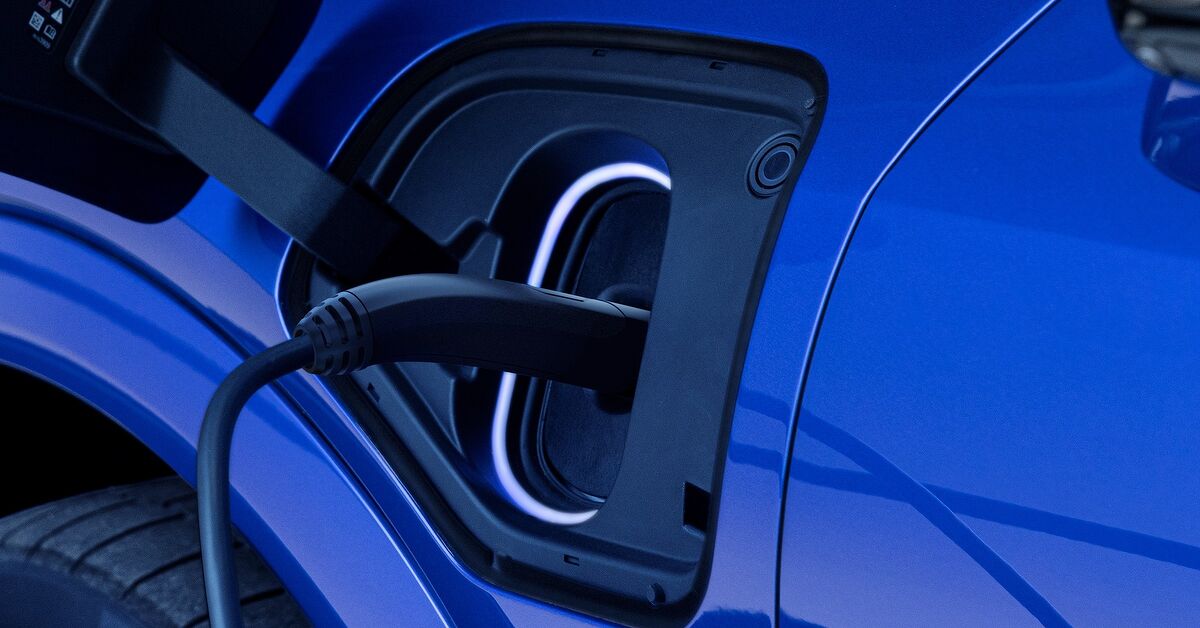
Cadillac’s flagship electric SUV is getting a charging overhaul for 2027, and this time the headline change is one buyers will notice every time they pull into a Tesla Supercharger. The Escalade IQ and its long-wheelbase IQL sibling are trading the older CCS1 port for a native NACS inlet, eliminating the need for a CCS-to-NACS adapter when plugging into Tesla’s network or any other stall built around the Tesla-style connector. The trade-off is familiar: topping up at a legacy CCS station will now call for a NACS-to-CCS adapter instead, though most third-party public networks already carry both connector types, so the switch shouldn’t turn road trips into an accessory hunt.
The more practical upgrade lands in the driveway. Every 2027 Escalade IQ trim now comes with a 19.2-kW onboard charger as standard equipment, letting the vehicle draw the full 240-volt, 80-amp service a home panel can provide. That’s a notable shift from the 2026 model year, when the 11.5-kW module was fitted to the Luxury and Sport trims while the quicker 19.2-kW unit remained exclusive to the Premium Luxury and Premium Sport variants. Buyers who previously had to step up a trim level to get the stronger charger now receive it regardless of which version they choose. The upgrade doesn’t alter the SUV’s DC fast-charging performance, but it’s a meaningful convenience for owners who want to extract every available amp from their home electrical setup.
Because the port is native NACS, a NACS home charger can plug in directly without adaptation. That’s a distinction worth noting, since some rival EVs with newer charging hardware still require an adapter for certain home setups. Owners holding onto an older J1772 wall unit aren’t left out, but they will need an adapter to make the connection. Cadillac also includes a Dual Level Charge Cord capable of plugging into either a 120-volt or 240-volt outlet.
The 120-volt option, however, is not a recipe for quick turnaround. On standard household current, the supplied cord delivers just 1.4 kW, which translates into roughly a week to refill the Escalade’s enormous 205-kWh battery pack from empty. For a vehicle of this size and energy capacity, Level 1 charging is best understood as a top-up measure rather than a primary strategy — the kind of thing that works when the SUV sits idle for days, not when it’s needed for a morning commute.
The shift isn’t limited to Cadillac’s electric flagship. General Motors plans to move its entire EV portfolio from CCS1 to NACS for the 2027 model year, making the Escalade IQ an early look at where the automaker’s charging strategy is headed across brands and segments. For shoppers weighing a large electric SUV, the combination of a Tesla-compatible port and a standard high-output onboard charger addresses two of the most common friction points in EV ownership: public charging compatibility and at-home charging speed.
What do you think?