
BYD Taps Sime Darby's Inokom for Local EV Assembly in Malaysia
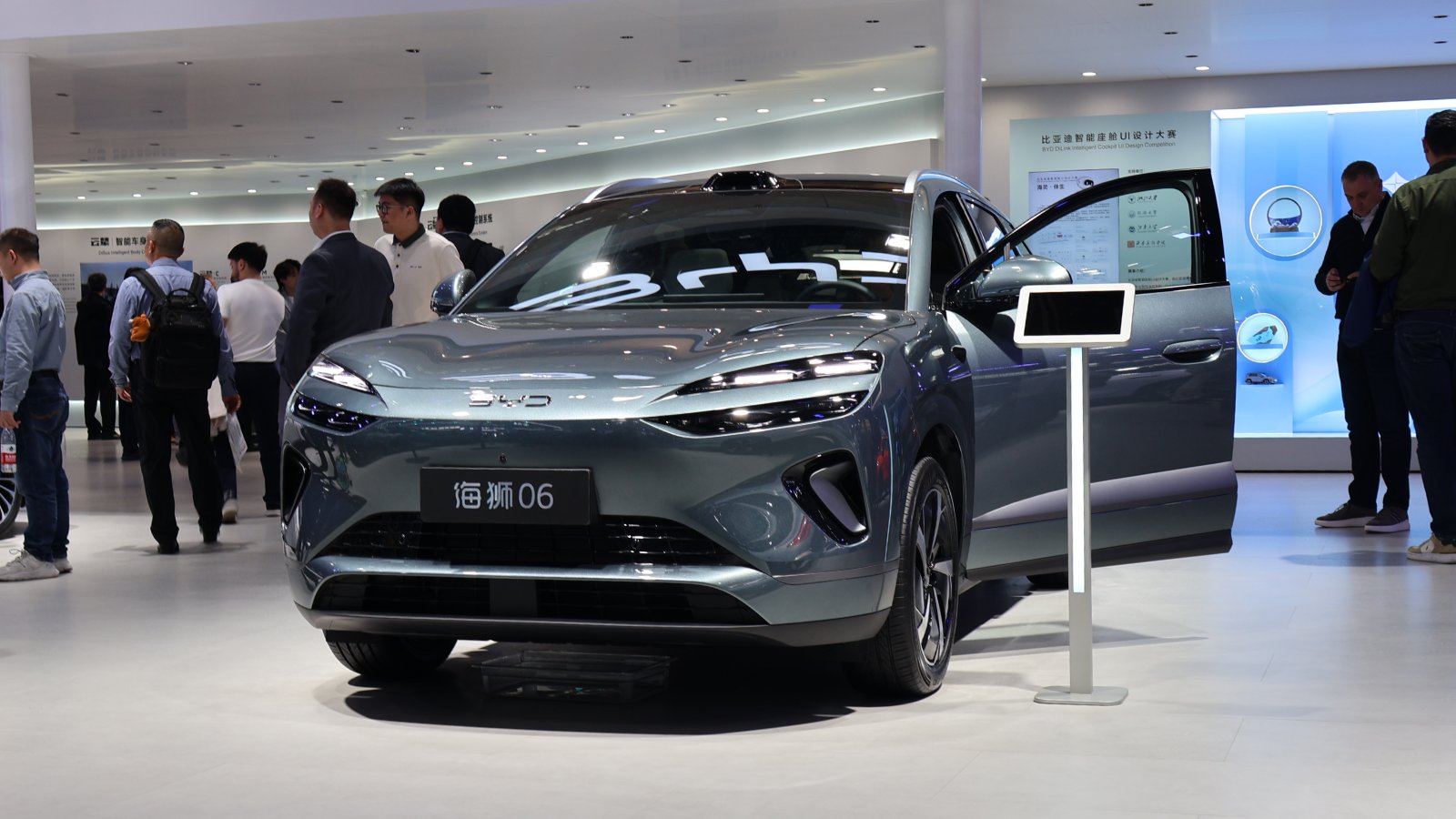
BYD is moving forward with vehicle production in Malaysia, but it will do so through an established local partner rather than a factory of its own. The automaker’s Malaysian arm confirmed on Thursday that Inokom Corporation Sdn Bhd, based in Kulim, Kedah, will handle completely knocked-down (CKD) assembly of its electric models.
Inokom is part of Sime Darby Bhd and already builds vehicles for several global brands in Malaysia. The relationship with BYD runs deeper than assembly alone: Sime Motors, another Sime Darby unit, serves as BYD’s official distributor in the country. The two sides marked the arrangement with a memorandum of understanding signed at BYD’s global headquarters in Shenzhen. Which models will be assembled and when production begins remain unannounced.
According to BYD Malaysia managing director Jacob Ma, the choice of Inokom followed a review of local market conditions and manufacturing capabilities, with the partner’s existing facilities, skilled workforce and supply chain underpinning the plan. He framed local assembly as central to BYD’s long-term commitment to the Malaysian market and said working with Sime lets the company lean on proven automotive manufacturing expertise.
The shift to a partner-led approach follows a change of direction. BYD announced in August 2025 that it would build its own CKD plant in Malaysia, with output expected to start in 2026. Local reporting later indicated the company had dropped that standalone facility in Tanjung Malim, Perak, while staying committed to CKD operations. Conditions attached to the original project reportedly included exporting up to 80% of output and selling the remaining 20% domestically at more than 200,000 ringgit per vehicle.
Local assembly has become increasingly important for keeping BYD’s mainstream models competitive. Since July 1, Malaysia has required imported fully built battery electric vehicles to carry a minimum declared cost, insurance and freight value of 200,000 ringgit and deliver at least 180 kW (245 hp) of power. Because the threshold applies to declared import value rather than retail price, and some of BYD’s best-selling EVs in Malaysia sell below 200,000 ringgit, assembling locally offers a way around the restriction. BYD first entered the Malaysian passenger car market in December 2022 with the Atto 3, sold in China as the Yuan Plus. Beyond passenger cars, the company signed an MoU in August with Malaysian bus maker Bus Cap Berhad to explore electric bus assembly and manufacturing facilities in Perak.
Source: CnEVPost
What do you think?