
BYD's Electric Sales Surge 33% in September as Hybrids Lose Ground
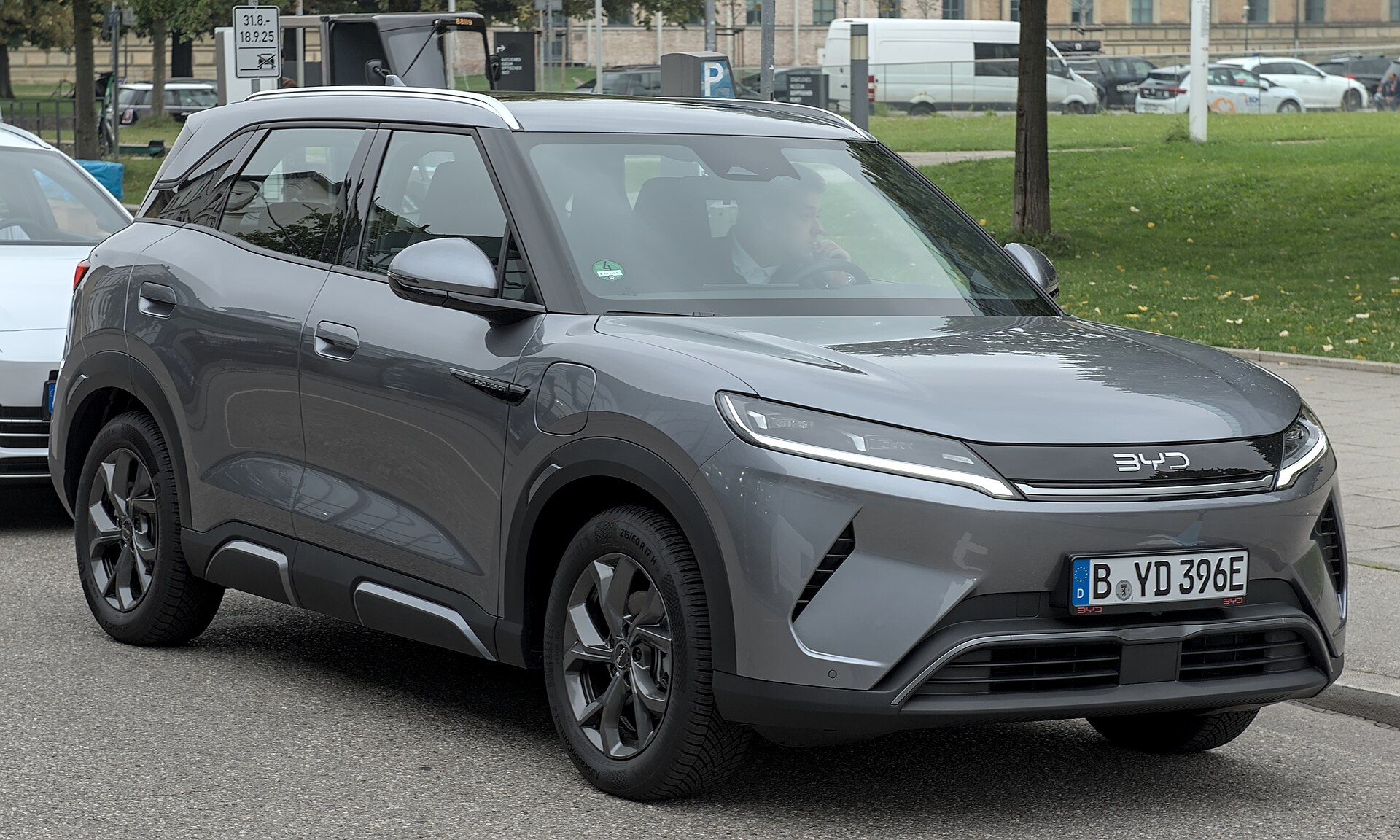
BYD closed out September with 456,713 passenger vehicle deliveries, a figure that represents a 5.4% improvement over August and a 16.2% jump compared to the same month last year. While those headline numbers show steady momentum, the real story lies beneath the surface: the company’s battery-electric offerings are accelerating far faster than its plug-in hybrid lineup.
Fully electric models accounted for 273,143 units in September, climbing 6.6% from August and a striking 33.2% year over year. A year earlier, BEV deliveries stood at 205,050, meaning BYD added more than 68,000 pure-electric sales in just twelve months. This sharp rise suggests buyers are increasingly favoring vehicles that run exclusively on electrons rather than those relying on a dual powertrain setup.
The contrast with plug-in hybrids is difficult to ignore. PHEV volume edged up 3.6% month over month but slipped 2.4% year over year, falling from 188,010 units in September 2025 to 183,570 last month. Because BYD’s passenger lineup consists solely of BEVs and PHEVs, the overall growth of 63,000-plus additional plug-in sales across the year is being driven almost entirely by the electric side of the business. The divergence raises questions about whether shifting consumer preferences, changing incentive structures, or evolving product roadmaps are tilting the scales toward pure electrics.
Zooming out to the first three quarters of the year, the broader picture is one of near-recovery. Cumulative passenger vehicle sales reached 3,078,544, down just 4.4% from 3,218,862 during the same period in 2025. Full electrics have already crossed into positive territory, up 1.5% from 1,605,903 to 1,629,957. Plug-in hybrids, by contrast, remain a drag on the overall tally, declining 10.2% from 1,612,959 to 1,448,587. If the September trend holds, BYD could finish the year with its electric portfolio comfortably ahead of last year’s pace while its hybrid range continues to contract.
For observers of the global EV market, the numbers carry wider significance. BYD’s ability to push BEV growth into double digits while managing a softer hybrid performance hints at how the world’s largest electrified automaker is navigating a maturing landscape. Whether the momentum carries through the final quarter will depend on demand in key markets, competitive pressure, and how quickly the company can convert its hybrid customers into fully electric ones.
What do you think?