
BYD Flash Chargers Chained Up as Vandalism Spree Widens in China
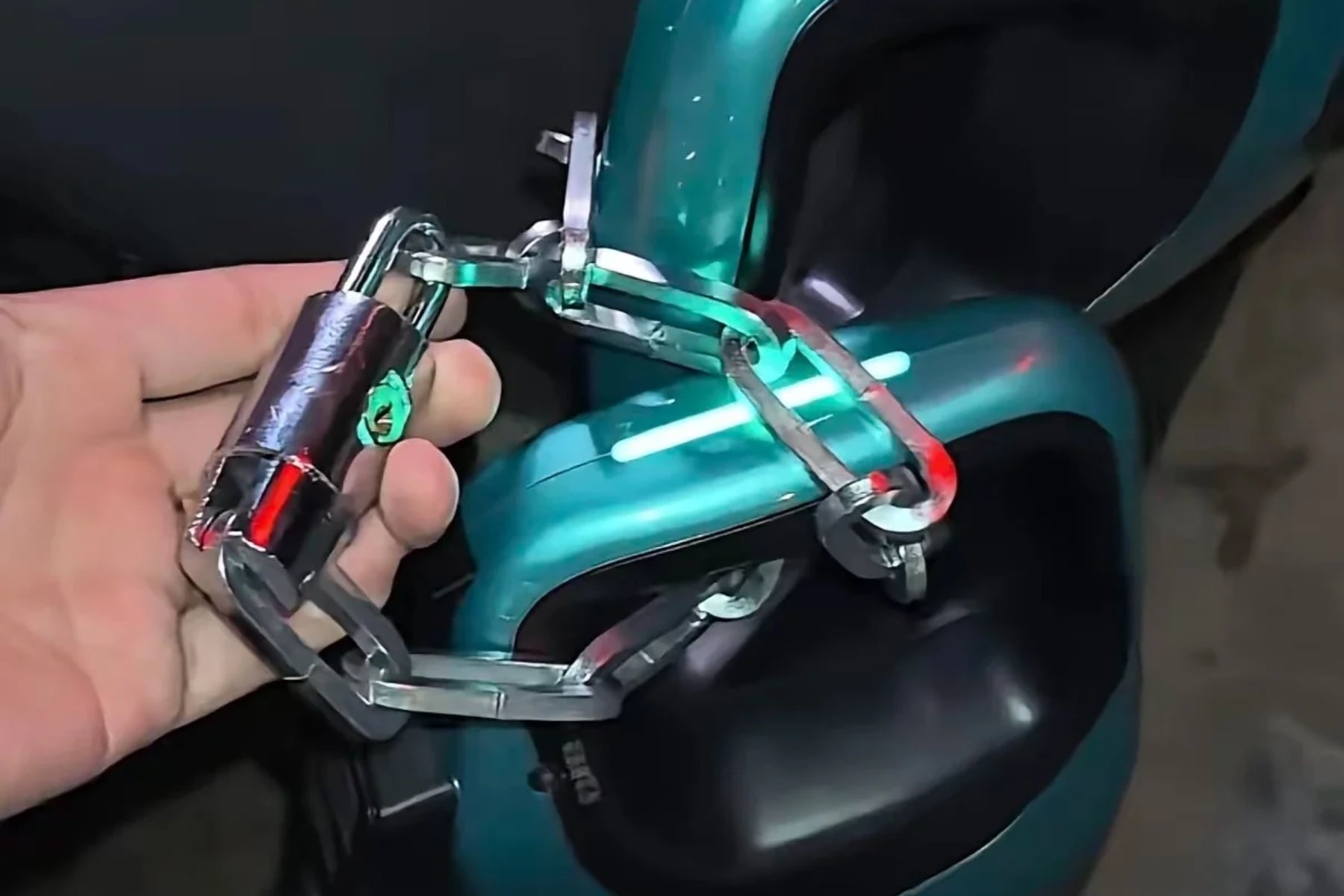
A padlock and a heavy chain are the latest headache for BYD’s charging network in China. Photos circulating on Chinese social platforms show one of the company’s Megawatt Flash Chargers with both connectors bundled together and locked shut — a setup that blocks drivers from plugging in without risking damage to their cars.
Oddly, the hardware itself looks untouched. The screen is intact, and the status LED is still glowing green, cheerfully signalling that the unit is ready to charge. It just happens to be unusable.
Who Would Chain a Charger?
Nobody has claimed responsibility, and BYD has stayed silent on the matter. Online speculation quickly turned to rival brands, but the more grounded theory points to friction inside China’s charging business itself.
Much of the country’s public charging network runs on franchise arrangements, and fast-charging margins are razor thin. Outside major cities, a kilowatt-hour often sells for just 1 to 1.5 yuan — roughly €0.13 to €0.20. Operators survive on advertising, add-on services and extras such as charging insurance rather than the electricity itself.
That makes BYD’s rapid rollout of its own high-power stations a direct threat to smaller independent providers. And the squeeze isn’t only about price.
Why drivers pick BYD: The Flash Chargers don’t actually charge non-BYD vehicles any faster than an ordinary DC unit. Drivers still favour them for the clean design and easy handling — pulling traffic away from independent operators offering identical charging times.
A Pattern of Trouble at Flash Sites
This isn’t an isolated incident. Videos recently surfaced of children using the thick charging cables as swings, which prompted BYD to promise tighter site management. The company said it would crack down on misuse, tackle charging bays blocked by combustion-engine cars or idle EVs, and asked users to report offenders through the official traffic police app.
Chinese online communities are also asking an uncomfortable question: were some of these stunts staged? Footage of a locked-up or abused high-tech charger tends to pull in serious clicks, and content creators know it.
What It Means for the Rollout
The chained connector is a small, almost comic image — but it lands at an awkward moment. BYD is spending heavily to build a premium charging experience as a selling point for its cars, and every viral photo of a padlocked station chips away at that pitch.
For independent operators, meanwhile, the incentives are ugly. When margins per kilowatt-hour are that thin and a deep-pocketed newcomer is pulling customers away, the temptation to fight dirty grows. Whether this was sabotage, a local business dispute or simply an attention-seeking prank, the episode shows how crowded and low-margin China’s fast-charging market has become.
BYD has not commented, and no culprit has been identified. For now, the green light stays on — and the chain stays on too.
Photo: BYD / electrive.com · Official Press Kit / Editorial (Editorial / Press Kit)
Source: electrive.com
Curious how this compares to other EVs? Try our comparison tool →What do you think?