
BYD Blames Geopolitics as Europe Moves to Close the Hybrid Tariff Gap
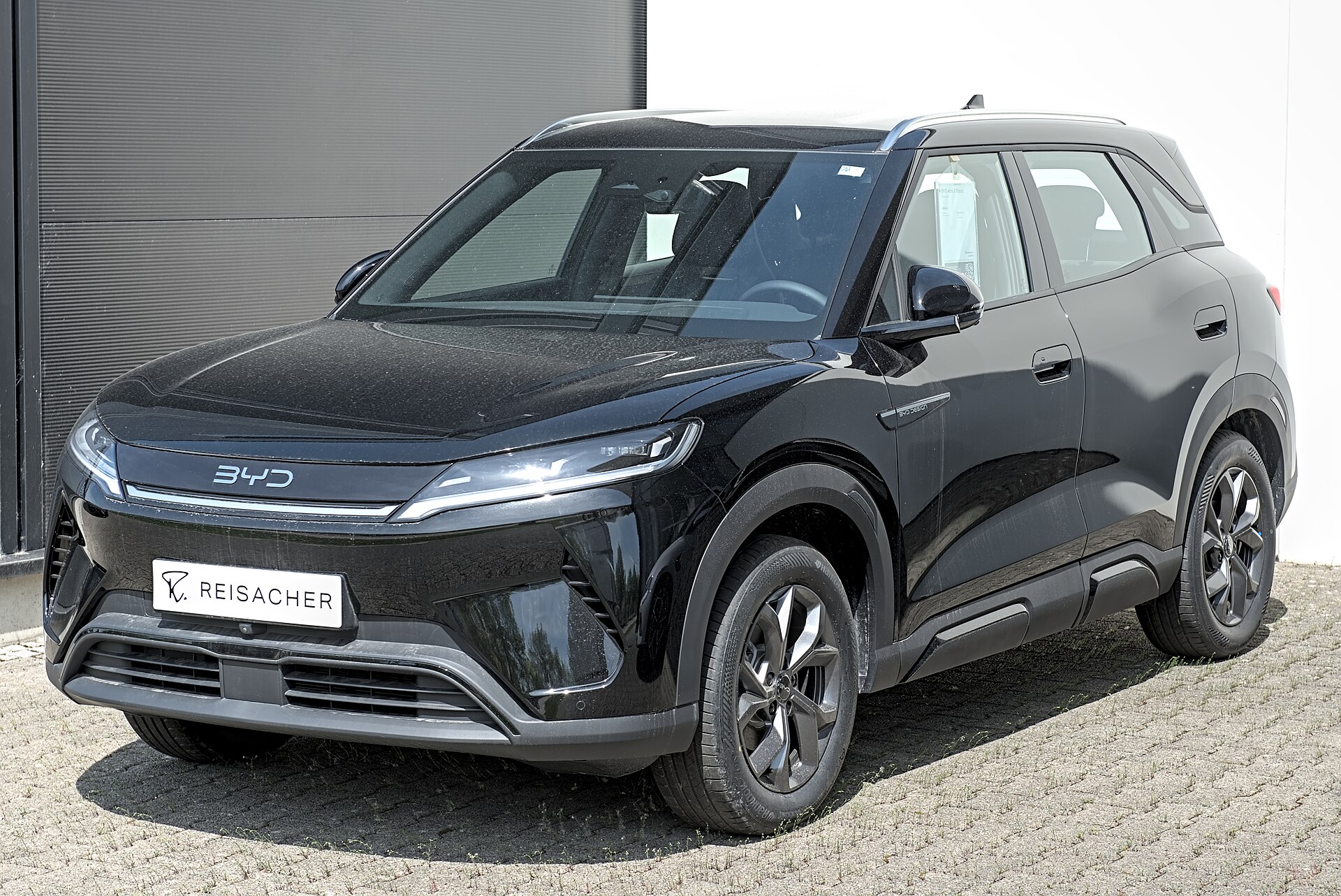
BYD has publicly pointed to geopolitics as the single toughest hurdle standing between it and global expansion. Executive Vice President Stella Li, speaking at the Milken Institute Asia Summit in Singapore on 8 October, framed the problem as one of unpredictability rather than outright hostility, noting that without clear visibility and stability, long-term investment decisions become nearly impossible. On the US market she was more direct, confirming that the company has put all plans to sell passenger cars there on hold indefinitely.
The timing is uncomfortable. BYD’s sales for the first nine months of 2026 slipped almost 4% to 3.13 million units, with stronger exports papering over softness at home. Its share price has dropped 22% over the year, and JPMorgan downgraded the stock to Neutral in early October, flagging weak domestic demand, higher input costs and expanding trade barriers as risks to overseas growth.
Europe has become the engine of that overseas push, and not only because of volume but because of margin. Tariffs notwithstanding, BYD can earn far more per vehicle there than in most other markets. UK registrations climbed 80% year-on-year in September to 20,140 units, driven largely by the Seal U DM-i plug-in hybrid. Overall overseas volume jumped 152% year-on-year to 180,700 vehicles. The hybrid tilt is deliberate: while the EU has levied an additional 17% duty on BYD’s imported battery-electric cars on top of the 10% baseline since October 2024, hybrids still pay only that baseline rate. That loophole has shaped BYD’s European line-up, and it now appears to be narrowing. Brussels and Beijing have opened talks in the Chinese capital over a temporary tariff quota on hybrids after China declined to offer voluntary export cuts. Separately, France, South Korea and 14 other economies agreed on joint measures targeting industrial overcapacity, naming EVs and batteries explicitly. The UK is also reported to be weighing tariffs aligned with anticipated Made in Europe content rules.
Localisation is the logical response, and BYD is already building in Hungary, Brazil and Thailand, with Li stating last month that the company wants to be seen as a European one. Brownfield acquisitions in Southern Europe, potentially a Stellantis site, are under discussion. But even that path carries political risk, as shown by Mexico pausing incentives for Chinese automakers under US pressure. Li has also ruled out partnering with other Chinese firms, saying BYD leads in multiple businesses beyond cars. That means the company must build each plant on its own, unlike Chery, which is in talks to use Nissan’s Sunderland facility. The stakes are considerable: BYD delivered around 4.6 million vehicles in 2025 against roughly 11 million for Toyota, which Chairman Wang Chuanfu wants to overtake within five years. Yet the US, Japan and India together represent about a quarter of global passenger car sales, and BYD has minimal access to any of them. A US$2.5bn order placed with SAIC Anji Logistics and Cosco for around 20 large car carriers suggests BYD still expects shipping from China to remain viable. Li’s remarks, however, hint that the next six million units will be harder and more expensive to win than the first 4.6 million, and may have to come from factories abroad rather than vessels leaving Shenzhen.
What do you think?