
BorgWarner Lands Three Electric Motor Supply Deals Across China and South Korea
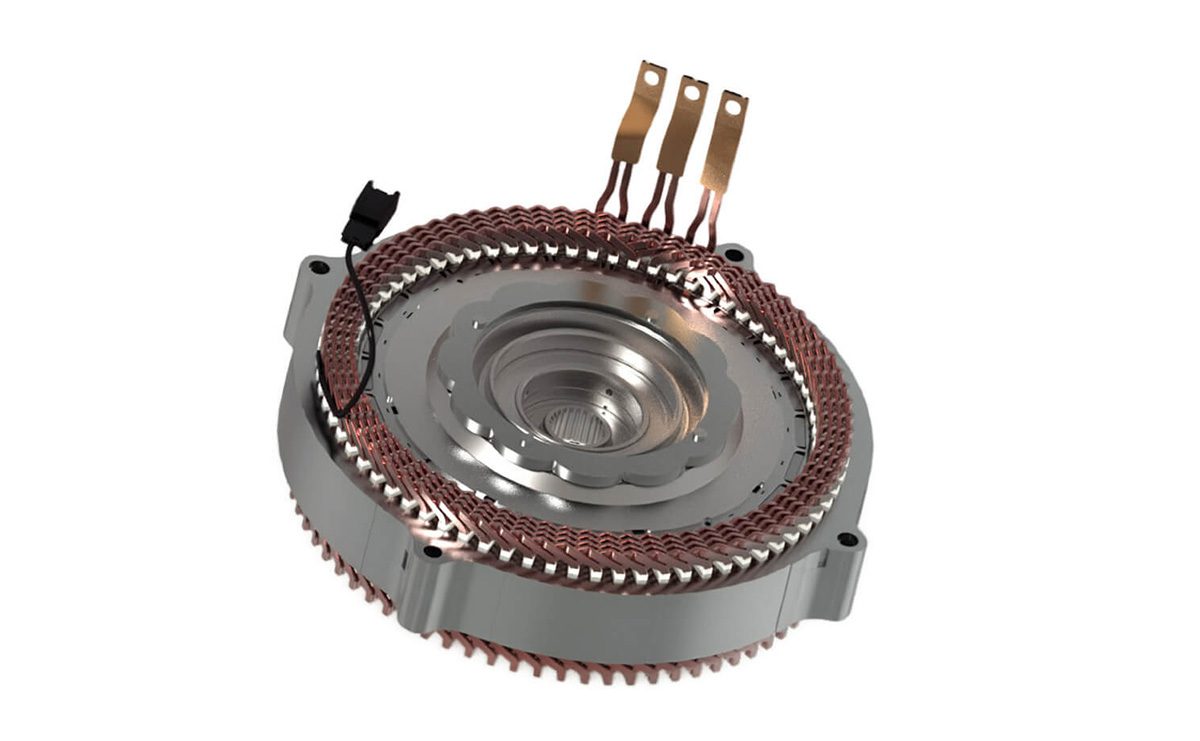
BorgWarner has secured three separate contracts to supply electric motors to automakers operating in China and South Korea, with the agreements spanning battery-electric, plug-in hybrid and conventional hybrid vehicle programs. The supplier did not name the automakers involved, but the spread of the wins suggests its electrification portfolio is drawing interest from manufacturers pursuing more than one powertrain route.
The three deals reflect a pattern that has taken hold across the Asian auto industry: rather than betting everything on full electrification, many carmakers are keeping hybrid and plug-in hybrid lines alive alongside their BEV plans. That approach creates steady demand for electric motors that can be slotted into a range of architectures, from pure battery platforms to vehicles that still carry a combustion engine.
For BorgWarner, the contracts add to a growing electrification order book. The Michigan-based supplier has spent years repositioning itself away from legacy combustion components toward electric drive systems, inverters and related hardware, and it now competes with a crowded field of motor suppliers in the world’s largest EV market. China in particular has become an intensely competitive arena, with domestic suppliers pushing prices down while global tier-one companies try to hold onto share through technology and scale.
South Korea offers a different kind of opportunity. The country’s automakers have laid out hybrid-heavy strategies in the near term while continuing to develop dedicated electric platforms, which makes flexible motor supply arrangements attractive. The three contracts together cover the three main electrified powertrain categories, a sign that BorgWarner is positioning itself as a supplier that can serve whichever drivetrain a customer chooses.
BorgWarner has not disclosed the value, volume or timing of the agreements, and it remains unclear which vehicle programs the motors will end up in. What the wins do indicate is that the supplier’s electrification push is gaining traction in two of Asia’s most important automotive manufacturing hubs, even as pricing pressure and rapid model turnover test suppliers across the region.
What do you think?