
BMW's i3 Sedan Promises 468 Miles Of EPA Range—Is That Too Much?
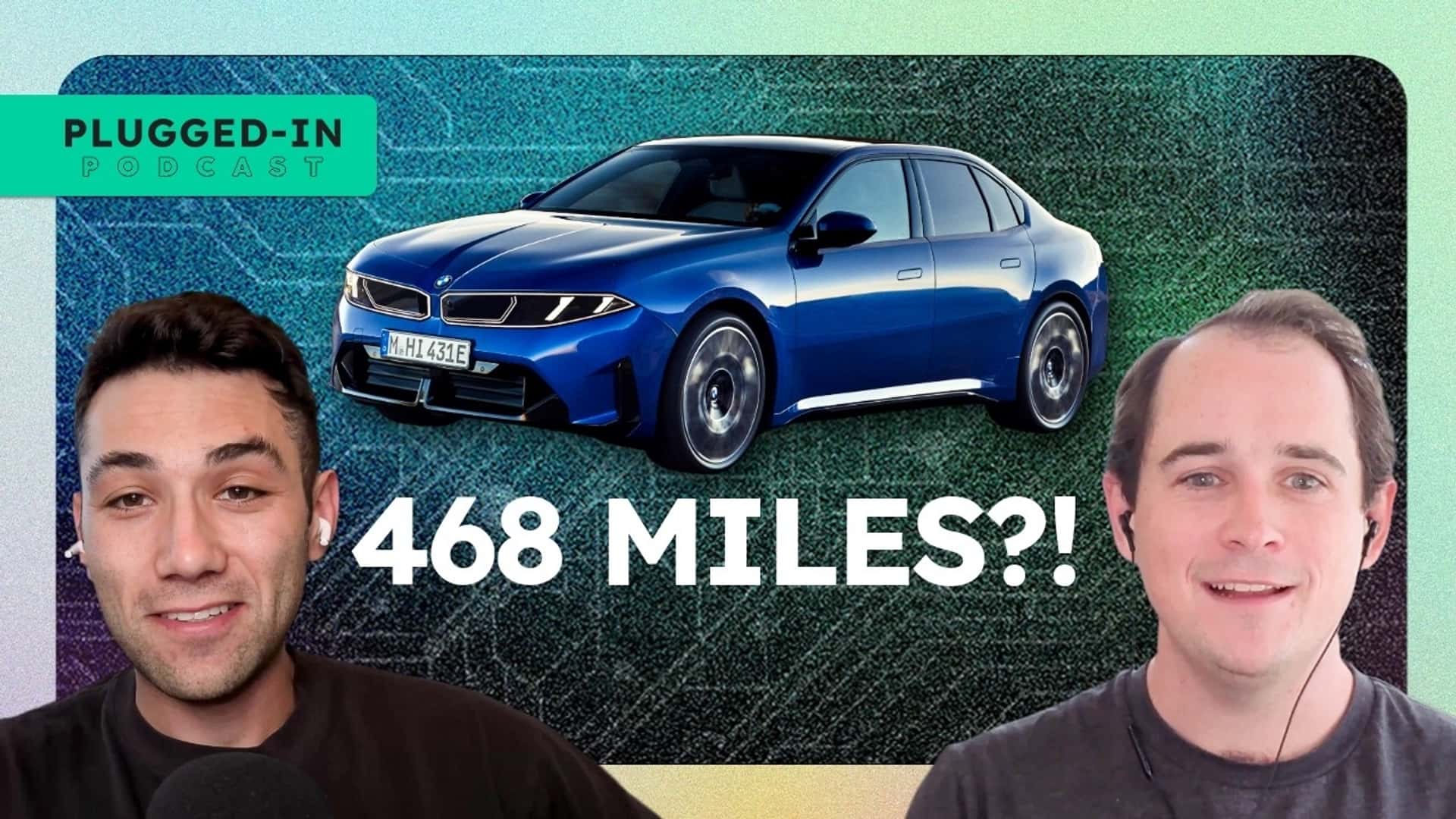
BMW is once again pushing the boundaries of what buyers can expect from an electric car. Fresh off the well-received iX3 crossover, the company has now revealed certified figures for its i3 sedan, and the numbers are head-turning: the all-wheel-drive 50 xDrive version is rated at up to 468 miles of EPA range. That variant will be the first to reach customers early next year, and its rating outdistances essentially every rival on the market today, Tesla included.
The broader context makes the figure even more striking. Tesla was the first automaker to crack a 400-mile EPA rating back in 2020 with the Model S, and 400 miles has since become something of a benchmark for premium electric cars. The Audi A6 E-Tron lands at 395 miles, the Volvo EX60 is estimated around 400, and the upcoming Mercedes C-Class should sit in similar territory. Meanwhile, the Lucid Air has kept America’s range crown for five years thanks to a 500-plus-mile rating that nobody has managed to topple. BMW’s decision to aim so high on the first electric version of its cornerstone 3-Series is a notable statement of intent.
The obvious question is whether that much range is actually needed. Tesla has built a hugely successful business around cars delivering in the mid-300s, which suggests many drivers are perfectly content with less. Still, there is a case for going big: surveys consistently show that range anxiety remains a major hesitation for American car buyers, and that worry is suppressing sales. Offering so much range that owners never have to think about charging could be one way to dismantle that psychological barrier, at least for a certain slice of the market at this stage of the transition.
Practical factors matter too. For drivers who cover long highway distances in cold weather, 400 miles or more can be genuinely useful rather than indulgent. Not everyone agrees, of course; some argue the sweet spot sits in the 300s and that anything beyond is excessive for most people. There is also a cost dimension, since extra range requires a larger battery and every additional kilowatt-hour carries a price. At $61,500, the i3 50 xDrive is actually priced reasonably against its gasoline counterpart, but a shorter-range variant could suit plenty of buyers and cost less.
As public charging becomes quicker, more dependable, and more widespread, the value of raw range may gradually shrink. That shift is already underway, and it seems likely that both automakers and shoppers will grow less fixated on absolute mileage over time. Once reliable charging is available wherever drivers need it, the case for a huge range buffer weakens considerably—though for now, BMW appears happy to let the number do the talking.
What do you think?