
Biofuel's Role in the Future of the Automobile Industry
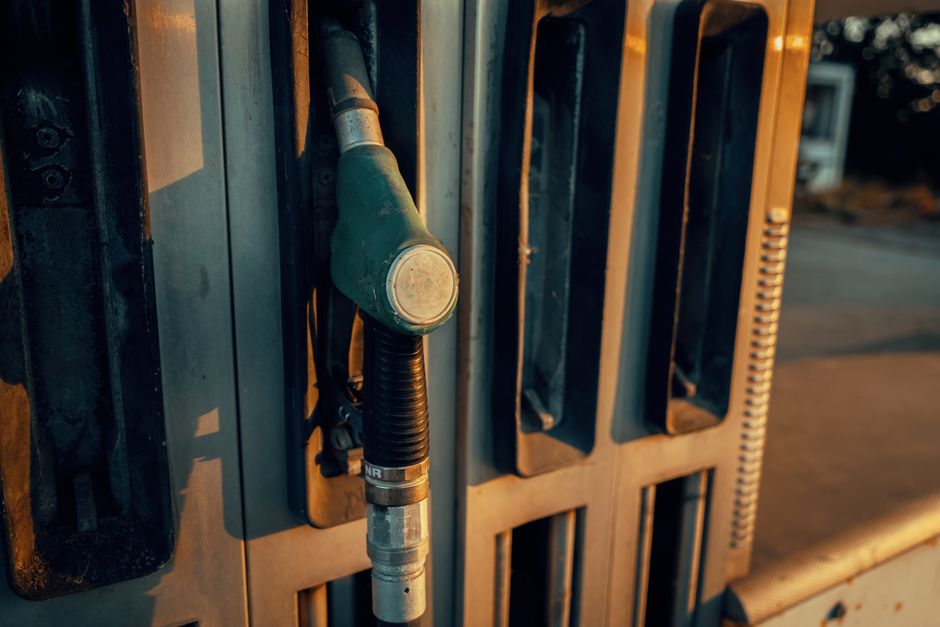
As governments and automakers push toward lower-carbon transportation, biofuels are re-emerging as a possible complement to electrification rather than a rival to it. The central argument is straightforward: liquid fuels made from organic matter can be blended into today’s petrol and diesel supply and burned in existing engines, which means the emissions benefit could arrive long before the vehicle fleet is fully replaced by battery-powered models.
That compatibility is the technology’s biggest selling point. Battery electric vehicles demand new charging networks, new manufacturing capacity and, for many buyers, a change in daily habit. Biofuels, by contrast, work with the infrastructure that already exists. Depending on the feedstock and production route, they can be presented as a lower-carbon option for segments where electrification is hardest — long-distance haulage, heavy machinery and older vehicles that will remain on the road for years.
The case is not without complications. Land use, food-versus-fuel competition and the actual lifecycle emissions of different biofuel pathways remain active debates, and the volume of sustainable supply is limited. These constraints mean biofuels are unlikely to be treated as a universal replacement for petroleum; more realistic is a supporting role, particularly in markets where charging infrastructure is still thin.
For the auto industry, the practical takeaway is that the transition is not a single-fuel story. Manufacturers are keeping internal combustion platforms alive and compatible with higher biofuel blends while simultaneously scaling electric line-ups, a hedging strategy that spreads risk across uncertain policy and energy landscapes.
Ultimately, biofuels look less like a standalone answer and more like one instrument in a wider decarbonisation toolkit, useful where electrification is slowest and most expensive to deliver.
What do you think?