
Before the Gas Engine Won: The Electric Car's Forgotten Female Fanbase
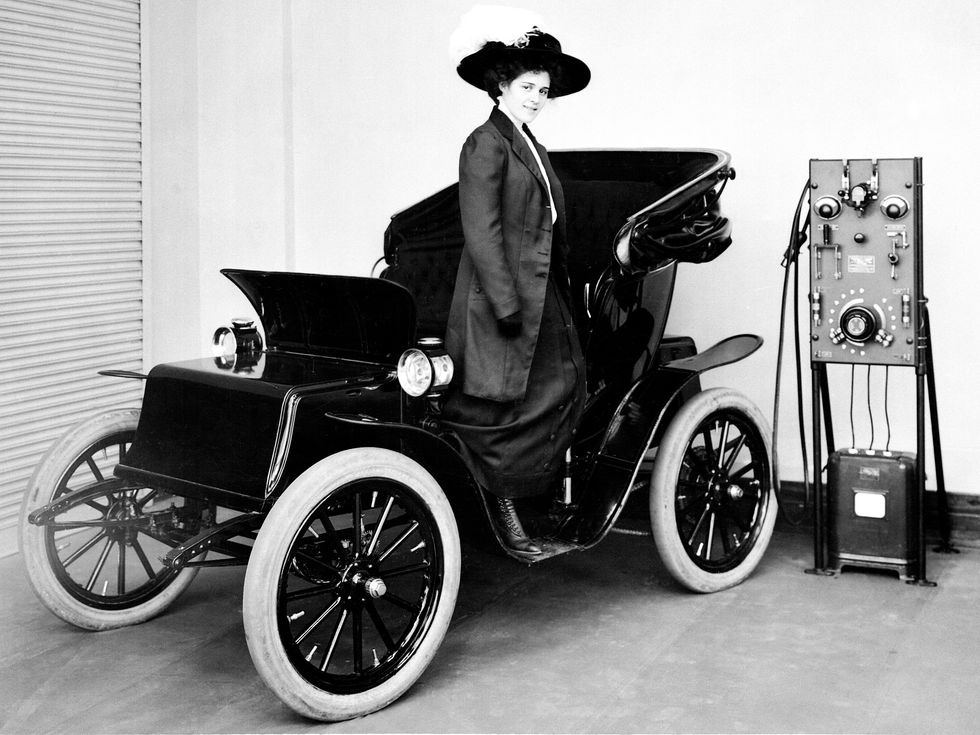
Long before Tesla badges and charging apps, the electric car had a marketing identity — and it was aimed squarely at women. In the earliest days of motoring, when the automobile was still a curiosity rather than a cornerstone of daily life, battery-powered cars were sold on a simple pitch: quiet, clean and easy to start.
That was no small thing. Steam cars needed time to build pressure. Early gasoline models demanded a hand crank at the front, a physical wrestle that could kick back and injure the person turning it. Electric vehicles, by contrast, started with a switch.
A Pitch Built on Comfort, Not Horsepower
Early manufacturers made a deliberate call about who their buyer was. Women, the thinking went, wanted machines that didn’t demand strength, didn’t rattle the neighborhood and didn’t leave soot on gloves and dresses. Quiet operation and fuss-free starting became the electric car’s core selling points — practical virtues rather than performance claims.
Those advantages mattered in an era when the three propulsion systems — electric, steam and internal combustion — were genuinely competing for the same buyer. Nothing was settled. The gasoline engine’s eventual dominance was not obvious at the time.
Why the History Still Reads Relevant
Seen from today, the old marketing angle is a reminder that electric propulsion was never inherently a niche technology. It lost a commercial fight, not a conceptual one. Battery range, infrastructure and cost tilted the market toward petroleum, and the rest followed.
There’s also an uncomfortable footnote for the industry: the gendering of car features is an old habit, not a new one. Automakers have long packaged technical choices as lifestyle choices, and the early electric era shows how early that instinct kicked in.
- Starting: a switch rather than a hand crank
- Noise: near-silent running compared with early combustion engines
- Cleanliness: no exhaust residue on clothing or surroundings
- Positioning: marketed primarily toward women drivers
The broader lesson is about how quickly conventional wisdom hardens. A technology that once looked like the natural choice for urban, everyday driving became a historical curiosity within a generation — and then, a century later, came back with a very different marketing story.
Photo: IEEE Spectrum - Transportation · Official Press Kit / Editorial (Editorial / Press Kit)
Source: IEEE Spectrum - Transportation
What do you think?