
Australia's Electric Truck Market Stalls Despite Diesel Price Pain
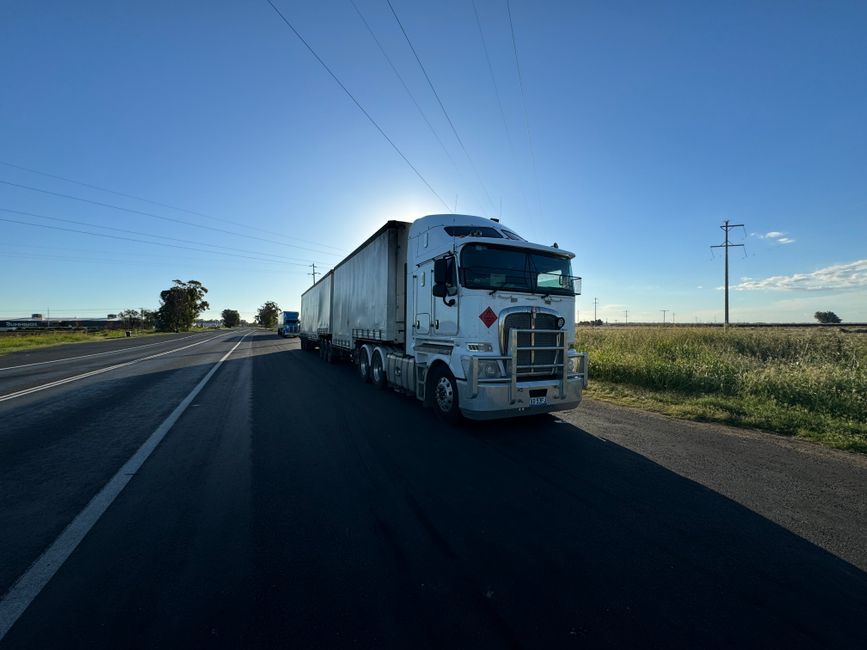
Australia’s shift to electric passenger cars is gathering real pace, yet the same momentum has not carried over to the commercial vehicle sector. According to the Electric Vehicle Council’s State of EVs 2026 report, battery electric vehicles captured more than 24 per cent of new car sales in August, and electric buses now represent 26 per cent of new bus purchases. Vans and trucks, by contrast, remain stuck in neutral: just one per cent of new van sales this year have been electric, and the figure for trucks is a mere 0.1 per cent — barely 200 units in total.
The EVC points to a straightforward explanation for the disparity. Government targets and sustained investment have driven adoption in the car and bus segments, but heavy vehicles have been left without comparable support. With diesel prices reaching around $3 a litre, the case for electrifying freight fleets has never been stronger, yet the financial framework needed to make that switch remains absent.
At the heart of the problem is upfront cost. Electric trucks still carry a price tag roughly double that of their diesel equivalents, a gap that is narrowing but remains prohibitive for the small, family-run operations that make up the bulk of Australia’s freight industry. Unlike the large corporate fleets that dominate public perception, most trucks delivering groceries and online orders belong to owner-operators running one or two vehicles, leaving them with little capacity to absorb the higher initial outlay even when long-term running costs favour electric options.
The EVC has highlighted the contrast with international peers. The UK and Canada, which share similar emissions reduction targets, offer trade-in support worth up to $250,000 per truck for electrification. Australia currently offers nothing of the sort. Given the country’s heavy reliance on imported diesel, the council argues that every electric truck added to the fleet represents a direct gain for national energy security — and is pushing for financial instruments that could close the capital cost gap, drawing on approaches already tested in California.
What do you think?