
Aston Martin Won't Go Electric Until the Law Makes It
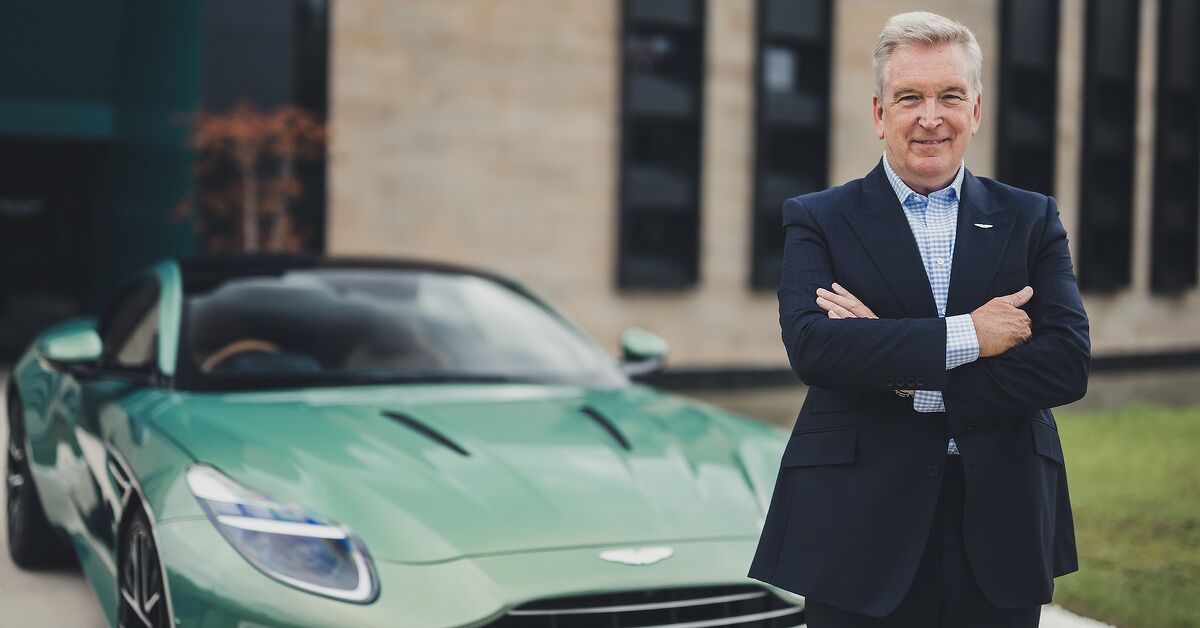
Aston Martin has no intention of selling a battery-electric car until regulators essentially force its hand. CEO Adrian Hallmark made that position plain in comments to Autocar, arguing there is no customer-driven case for going electric and every reason to keep its combustion engines on the road as long as possible.
The timeline tells the story better than any press release. Aston Martin once aimed to show an EV before the end of 2025, then pushed that target to 2027. Now Hallmark is pointing toward a window just ahead of the 2035 legislative cutoff, saying the only reason the brand needs a BEV at all is compliance. He declined to pin down an exact year, suggesting the launch could land anywhere between 2033 and 2035 but ruling out anything as early as 2031. Read against the original promise, the first electric Aston could trail its own deadline by roughly a decade.
Hallmark places the blame on rapidly shifting expectations from buyers and regulators alike, which he says move faster than any automaker can realistically respond. His plan in the meantime is to keep both V-8 and V-12 models in showrooms for as long as the rules permit, backed by a roadmap he says keeps those larger and smaller engines legal through the end of the period. Hybrid assistance is being considered to extend the life of those powertrains, though Hallmark drew a firm line at plug-in hybrids, saying the brand simply doesn’t need them or the roughly 200 kilograms (440 pounds) of added weight they bring.
When Aston Martin finally does electrify, it won’t be a solo effort. The company holds an agreement with Lucid, which took a 3.7 percent stake in the British marque, and a long-standing partnership with Mercedes-Benz could supply electric drivetrains. Hallmark framed the repeated delays as something of a silver lining, noting that the technology Aston Martin will eventually receive differs substantially from what it originally contracted for, and that its collaboration with Mercedes-Benz on powertrains and electronic systems is set to deepen.
Preserving the sound and character of an Aston Martin is one challenge. Returning the loss-making brand to profitability is the far tougher task still ahead.
What do you think?