
APAC Driver Monitoring Market Barely Moves — Yet Safety Stakes Keep Climbing
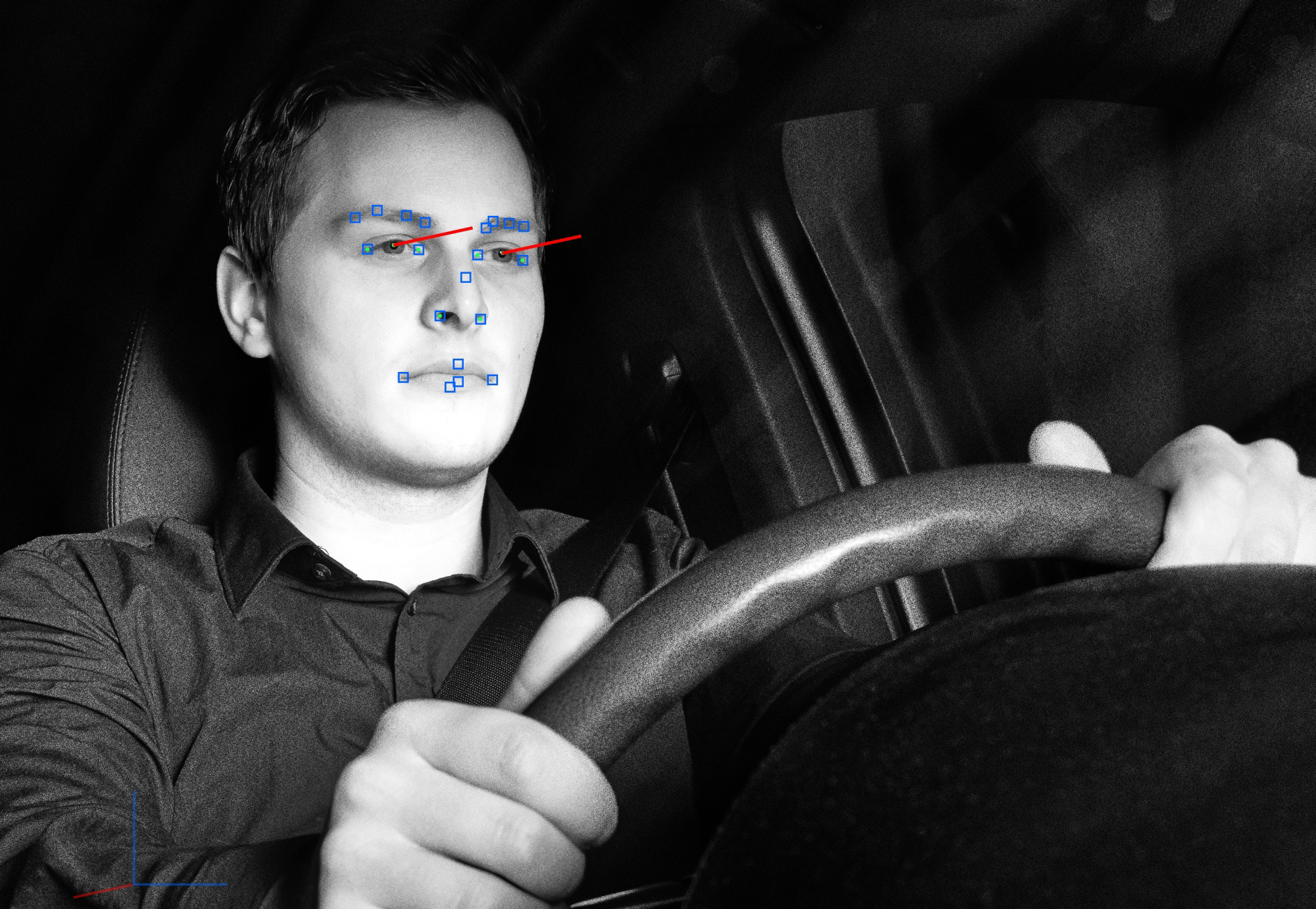
Asia-Pacific’s driver monitoring systems market is in an unusual spot: demand for the technology is growing louder, but shipment numbers are almost standing still. GlobalData expects the region to crawl from roughly 7.4 million units in 2026 to 7.6 million by 2033 — a compound annual growth rate of just 0.5%.
That near-flat trajectory might look like a stalled market. Read it differently and the picture changes. Assisted-driving features are spreading fast, and with them comes a harder question: is the person behind the wheel still paying attention?
Why volumes lag the conversation
In-cabin cameras and sensors watch where a driver’s eyes go, how the head moves, whether attention is drifting. The hardware flags fatigue or distraction in real time. As adaptive cruise control and lane-keeping take over more of the workload, drivers can mentally check out — or trust the system more than they should.
That mismatch between what automation promises and what drivers actually do is where monitoring earns its keep. GlobalData points to the region’s dense urban traffic, lengthy intercity runs and mixed-road conditions as the forces keeping the category relevant.
Market Snapshot: 7.4 million units (2026) · 7.6 million units (2033) · 0.5% CAGR · Source: GlobalData
There is also a technical story underneath the numbers. Infrared cameras now hold up better in poor light, and software has gotten sharper at separating a quick glance at the mirror from genuine, sustained inattention. Localisation matters too — cabin layouts, lighting conditions and driving habits vary widely across APAC, and a one-size-fits-all system tends to misfire.
The consumer trust problem
Madhuchhanda Palit, an automotive analyst at GlobalData, framed the challenge in plain terms. These systems, in her view, are set to become a standard piece of APAC vehicle safety strategies as assisted driving expands. But their worth hinges on three things: detection that actually works, warnings designed so they don’t nag, and cabin data handled transparently.
Her sharper point is about positioning. Manufacturers that present driver monitoring as a safety-support function — not an intrusive surveillance tool — are likelier to win buyers over across the region.
That distinction is not cosmetic. Drivers who feel watched will find ways to disable the system, or resent the brand that installed it. Drivers who understand it as a backup pair of eyes tend to leave it on.
- Volume growth: essentially flat through 2033
- Demand drivers: assisted-driving uptake, urban congestion, long-distance travel
- Technical focus: infrared low-light sensing, attention-classification software
- Adoption key: accurate detection, sensible alerts, clear data policies
So the 0.5% figure tells only half the story. Unit counts may barely budge, but the regulatory and consumer pressure around driver attention is moving in the opposite direction. For suppliers and OEMs alike, the next few years look less like a land grab and more like a credibility test.
Source: Automotive World
What do you think?