
AlixPartners: A Chinese EV Costs $20,000 to Build. A European One Costs $31,000
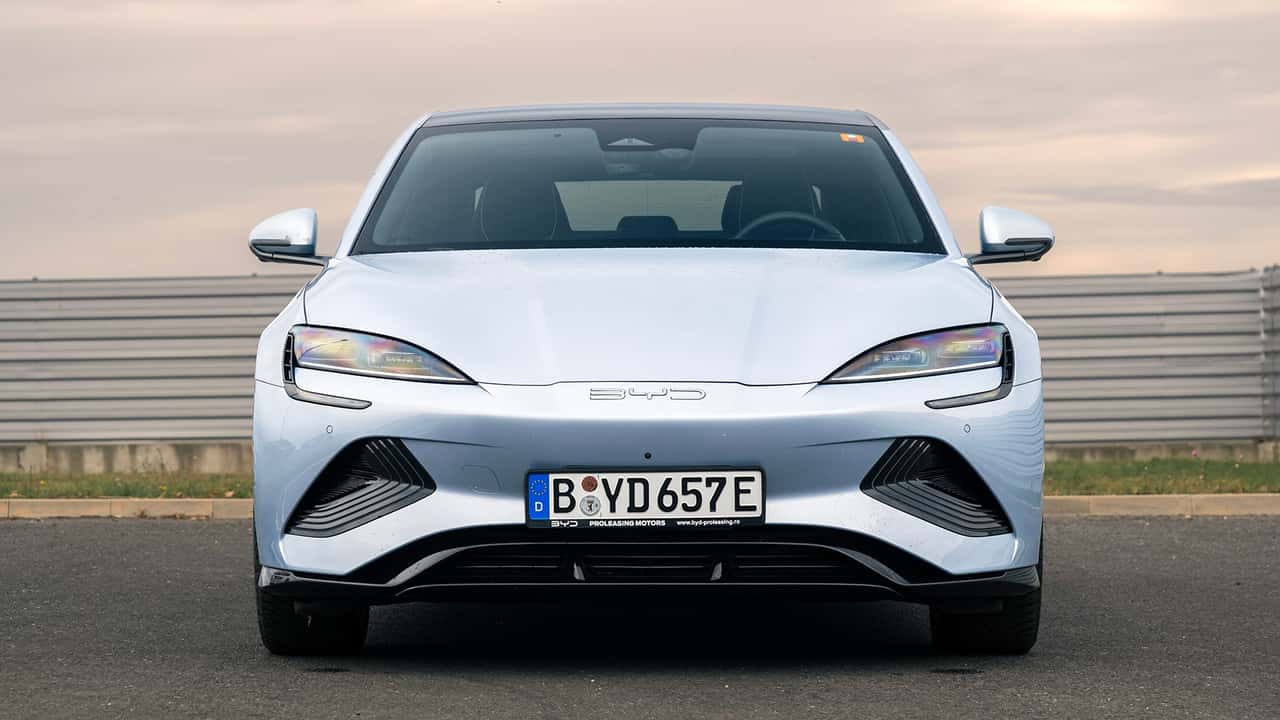
A new analysis from consulting firm AlixPartners puts a hard number on the gap between Chinese and European EV manufacturing — and the figure is uncomfortable reading for Europe’s car industry. On average, according to the study, a Chinese-branded electric vehicle built in China costs about $20,000 to produce**, while a comparable European model runs roughly **$31,000. That’s a production-cost spread of around 35%.
AlixPartners is clear that this is not simply a story about Beijing writing cheques. Subsidies and incentives help, but the firm argues the real explanation is structural — how Chinese automakers are organized, how fast they decide, and where their batteries come from.
The bottom line: About $20,000 to build a Chinese-branded EV in China versus roughly $31,000 for a European equivalent.
Batteries Are Where the Money Leaks
The battery pack is the single biggest cost driver, and AlixPartners says Europe’s supply chain works against it. Battery manufacturing and raw-material sourcing on the continent lean heavily on external inputs, which keeps prices high from the start.
Recycling is currently Europe’s largest domestic source of raw materials, but the firm notes that recycling capacity sits well below the level needed to sustain battery production at scale. Add in energy prices that outstrip both the U.S. and China, and the cost of getting a pack built in Europe climbs further.
The proposed fix is not subtle: subsidies and incentives for manufacturers to keep building and running battery plants, including support for the energy costs those plants rack up.
“China Speed” Is a Real Competitive Weapon
Cost is only half the story. AlixPartners also points to what it calls “China Speed” — a dramatically compressed decision-making timeline compared with Western industry norms.
- Fewer management layers: key decision-makers sit much closer to the work.
- Virtual-first testing: much validation happens in simulation, with physical checks pushed to the end of the program.
- Faster technology rollout: software-defined features and platform development move from idea to production far quicker.
That agility has a flip side. Moving fast to market has produced mistakes that slower, more thorough testing might have caught. One example cited is a software fault in a Lynk & Co vehicle that could reportedly switch off the lights via voice command while driving; the resulting crash spread widely on Chinese social media, and drivers of other brands’ EVs discovered their cars shared the same weakness.
Tariffs Buy Time, Not Victory
The paper ends with a warning for Western manufacturers who think trade barriers solve the problem. Tariffs, it argues, only purchase time to catch up — they do not neutralize China’s cost advantage.
Localizing Chinese EV production in Europe will erode part of the home-supply-chain benefit, yes. But the organizational advantages of these companies will travel with them. European automakers that want to stay relevant and profitable, AlixPartners concludes, need to change how they operate from the ground up rather than wait for policy to level the field.
Source: InsideEVs
What do you think?