
AI-Controlled Hydrogen Injection Could Slash Cargo Ship Emissions
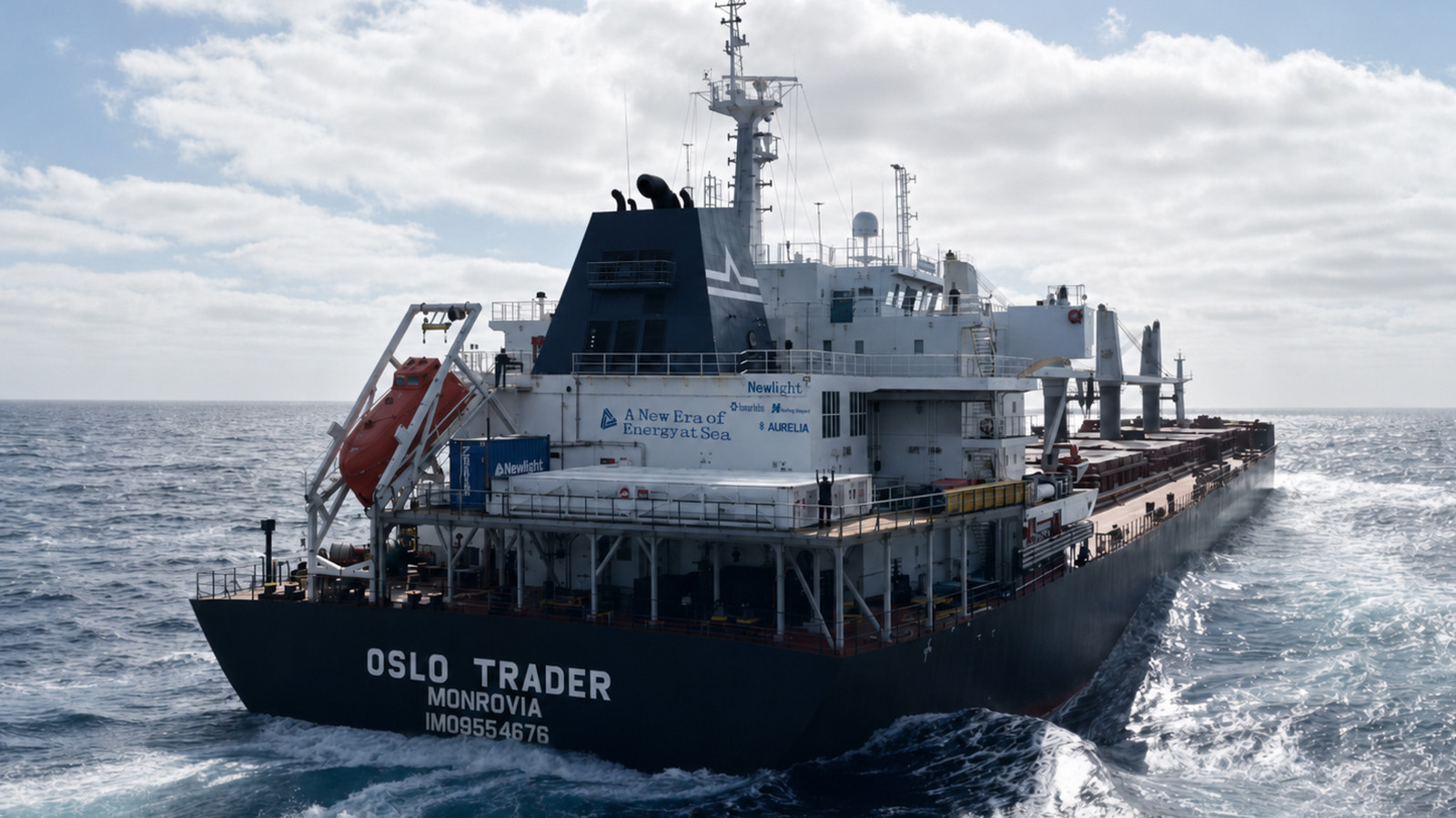
Maritime shipping is one of the hardest sectors to decarbonize, but a new startup claims it can cut emissions from existing diesel cargo ships by adding an AI-controlled hydrogen injection system. According to a report from SlashGear, the technology retrofits diesel engines to burn a mix of hydrogen and conventional fuel, with an AI brain constantly adjusting the ratio to optimize combustion. This approach aims to reduce fuel consumption and emissions without requiring a full engine replacement or a switch to entirely new propulsion systems.
The core idea is to leverage hydrogen’s clean-burning properties while sidestepping the infrastructure challenges of pure hydrogen or electric powertrains. By injecting small amounts of hydrogen into the intake air, the system can improve combustion efficiency and cut pollutants like CO2, nitrogen oxides, and particulate matter. The AI component monitors engine parameters in real time and tweaks the hydrogen flow to maintain optimal performance under varying load conditions. This could be a practical interim solution for shipowners facing tightening emissions regulations from the International Maritime Organization (IMO), which has set ambitious targets to reduce the sector’s carbon footprint.
Retrofitting the global fleet is a massive undertaking; there are over 50,000 merchant ships in operation, most of which run on heavy fuel oil. While hydrogen production, storage, and bunkering remain logistical hurdles, onboard hydrogen generation or storage in modest quantities could make this upgrade feasible for many vessels. The startup’s focus on AI suggests that software will play a key role in managing the complexity of dual-fuel combustion, potentially enabling smoother transitions between fuel modes and minimizing the risk of engine knock or other issues.
However, the announcement raises several questions. How much hydrogen does the system require, and where does it come from? Is the hydrogen produced onboard via electrolysis, or is it stored in tanks? What is the actual emissions reduction across the full lifecycle, including hydrogen production? The SlashGear article does not provide these details, leaving room for skepticism. Without transparent data, it’s hard to assess whether this is a genuine breakthrough or just another greenwashing attempt. The maritime industry has seen numerous promising technologies that failed to scale due to cost, safety, or infrastructure barriers.
Still, the convergence of AI and alternative fuels is a trend worth watching. If the startup can demonstrate real-world results on a pilot vessel, it could attract interest from major shipping companies looking to extend the life of their existing fleets while meeting environmental goals. For now, the concept remains unproven, but it underscores the growing pressure on the shipping industry to innovate. As regulations tighten and fuel prices fluctuate, solutions that blend existing diesel infrastructure with smart hydrogen augmentation might find a niche—provided they can overcome the technical and economic hurdles.
What do you think?