
Affordable Models and Fuel Costs Push European EV Sales to New Heights
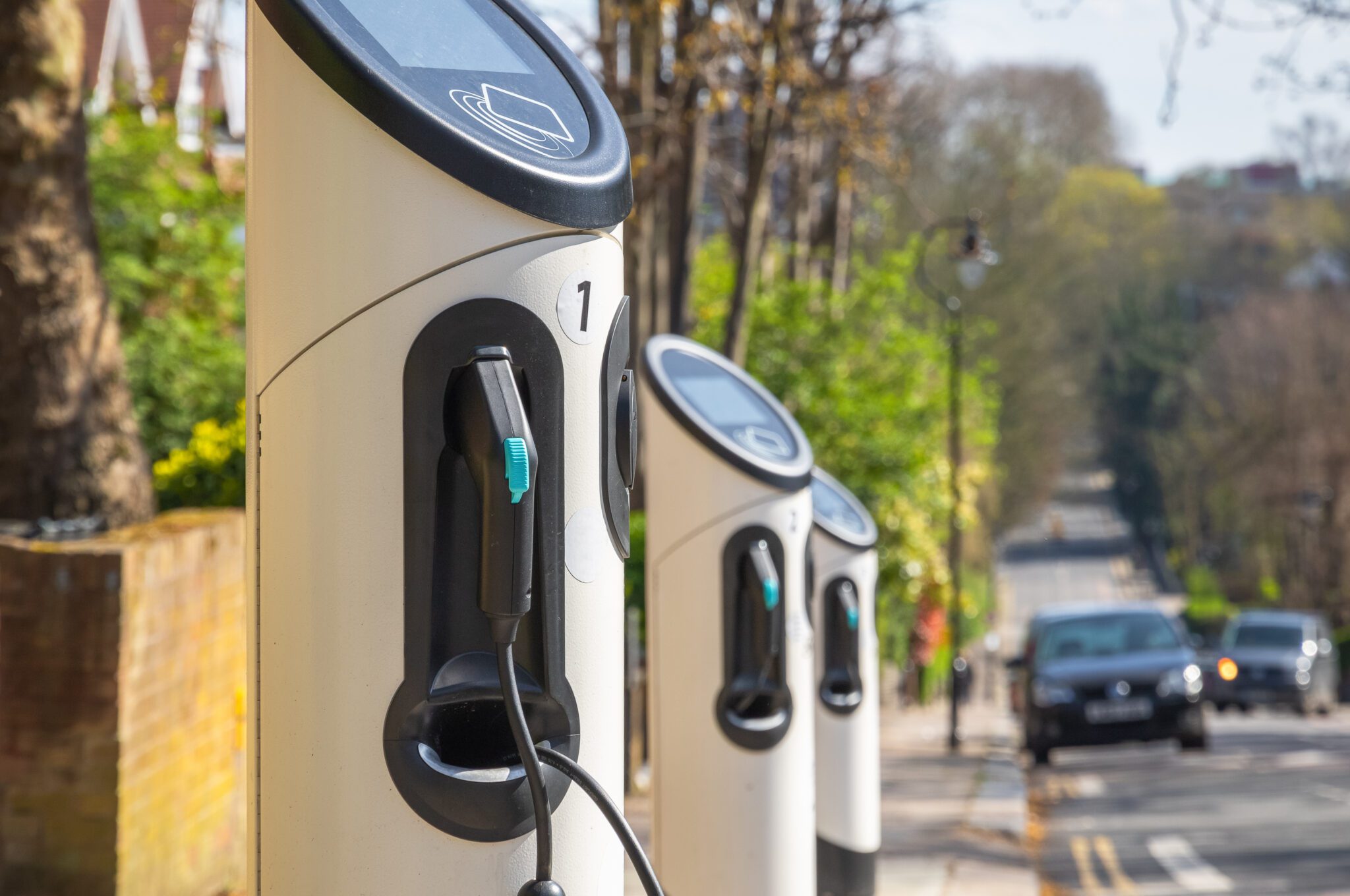
Europe’s electric vehicle market reached fresh territory in September, with the UK logging 99,199 new EV registrations — a 36% jump — while France saw battery-electric vehicles capture a record 42% share of its overall market.
The surge reflects two forces working in tandem. A broader wave of lower-priced electric models, encouraged by the EU’s tightening CO2 fleet targets, has finally given buyers more accessible options. At the same time, stubbornly high gasoline prices and existing purchase incentives continue to tip the financial calculation in favour of going electric for many households.
Transport & Environment, the Brussels-based campaign group, framed the results as validation of its long-held argument that constrained supply — not insufficient consumer appetite — was the real bottleneck holding Europe back. With more affordable nameplates now reaching showrooms, that thesis appears to be bearing out in the registration data.
The composition of the growth is noteworthy. Chinese manufacturers and Tesla are capturing a share of the expanding pie that is disproportionate to their overall presence in the region, a dynamic that is likely to intensify political scrutiny in Brussels and among European legacy automakers already under pressure from cheap imports.
The record figures arrive against a backdrop of shifting policy. EU CO2 regulations have forced manufacturers to accelerate electrification timelines, and several governments maintain generous EV subsidies. Whether the momentum can be sustained without those supports remains an open question, particularly as some nations have begun scaling back incentive programmes. For now, September’s numbers suggest that when affordable electric cars meet expensive petrol, European buyers are increasingly choosing to plug in.
UK registrations climbing 36% to 99,199 units in a single month marks one of the strongest performances the market has recorded, and France’s 42% electric share places it among the continent’s most electrified major markets. The combination of compelling product and unfavourable pump economics is proving difficult for conventional powertrains to overcome.
What do you think?