
A Rare Bird From the Malaise Era: 1979 Chrysler 300 With Factory T-Tops
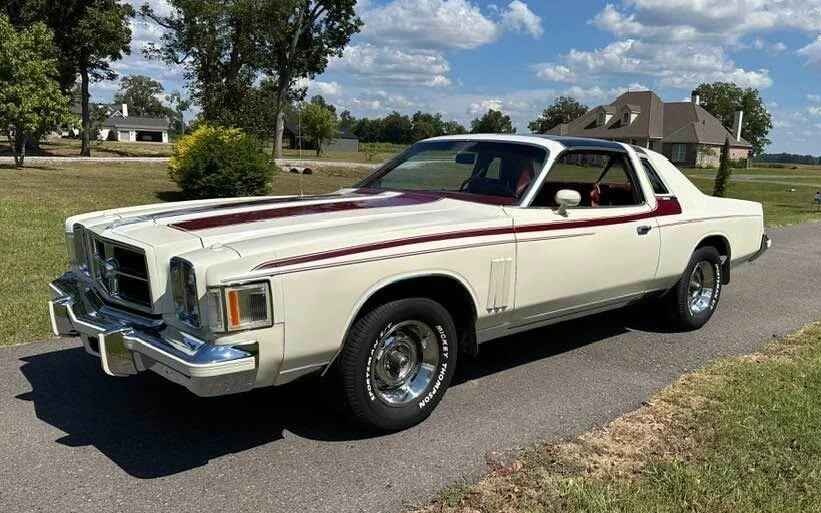
Chrysler’s use of the “300” badge has taken several forms over the decades, appearing on both the celebrated letter-series cars and the big non-letter models built from 1962 through 1971. After that, the nameplate went dormant for years before making a final comeback for a single model year: 1979. That swan-song edition turned out to be one of the more compelling machines to emerge from an era when horsepower was largely on life support.
The car was spun off the Chrysler Cordoba, the personal-luxury coupe that gave the brand a fashionable two-door with a base sticker just north of 675. It all adds up to a genuinely rare configuration.
The $22,400 asking price belongs to a car currently offered in Alexandria, Louisiana, and the seller has left the make-offer option open, suggesting some room to negotiate. The Spinnaker White finish is believed by the seller to be original, although fresh striping from Phoenix Graphix was recently applied. Under the hood sits the E58 360 cubic-inch V8, the same powerplant Chrysler fitted to its police vehicles of the period. Its 195 horsepower looks modest by modern standards but stood out in the late seventies. Revised shocks and an upgraded suspension also sharpened the handling well beyond a stock Cordoba’s.
Inside, every 300 came with red Corinthian leather, bucket seats and a center console, and this example’s cabin is described as being in very good overall condition. The factory 8-track player is even said to still work. Not every detail has won admirers, though; the protruding exhaust tips have drawn criticism, and the original 300 wheels have been replaced with cheaper rally-style units, items some observers feel detract from the car’s authenticity and value.
Whether the 300 package ever captured the imagination of Mopar collectors the way earlier letter-series cars did is debatable, and opinions on this particular example clearly run hot. Still, a documented T-Top car with the police-spec V8 occupies a niche few survivors can match, making it a curious piece of late-seventies performance history.
What do you think?