
2027 Mitsubishi Eclipse Sportback EV: A Quiet, Refined Prelude to Mitsubishi's Reboot
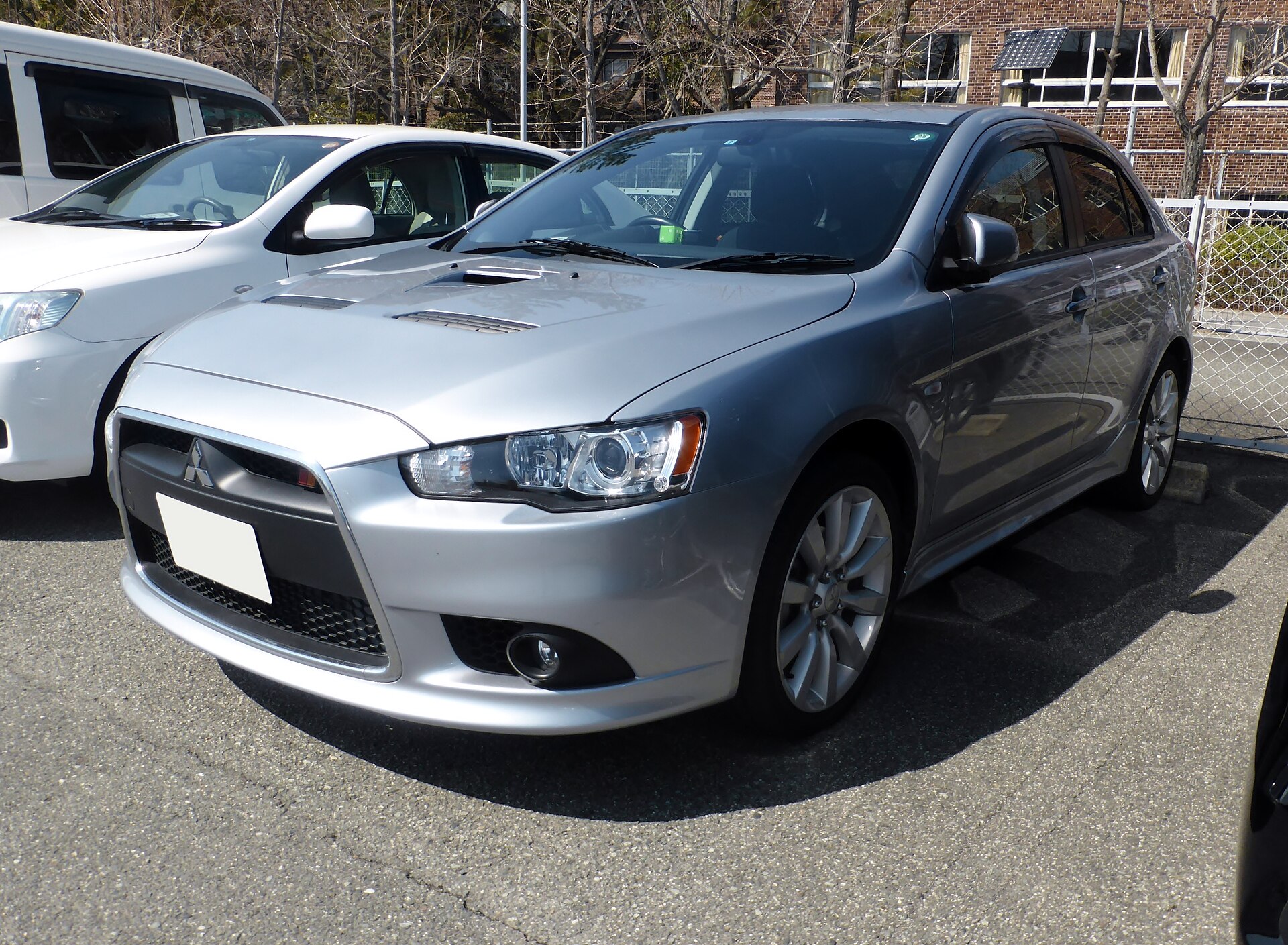
Mitsubishi has revived an evocative nameplate for its first EV in years — but anyone expecting the sharp-edged character of the old Eclipse coupes will find something entirely different. The 2027 Eclipse Sportback EV is smooth, hushed and composed, a compact electric hatch that prioritizes everyday comfort over attitude. In practice, that’s precisely the point: this is a deliberate, low-volume warm-up act for a much broader product push in the United States, the first visible piece of the company’s Momentum 2030 strategy.
Mechanically, the Sportback shares its foundations with Nissan’s latest Leaf, a relationship Mitsubishi has chosen to dress up rather than hide. The roofline, door count and core proportions are effectively identical, and both cars are built in Japan. What changes is the surface treatment: the front fascia is restyled into a sharper, more swept-back shape, the rear reads more like a hatchback coupe, and unique wheels plus cabin patterns and color choices separate it from its Nissan sibling. The architecture underneath is unchanged, which means a single front-mounted motor driving the front wheels, producing 214 hp and 261 lb.-ft. of torque. Expect roughly seven seconds to 60 mph — hardly blistering by modern EV standards, but comfortably quicker than the original non-turbo Eclipse sports cars it borrows its badge from.
The hardware is straightforward and proven. A 75-kWh liquid-cooled pack delivers up to 282 miles of range, and DC fast charging runs from 10% to 80% in as little as 35 minutes at a peak of 150 kW. Mitsubishi keeps the Leaf’s unusual dual-port charging layout: a Tesla-style NACS connector on the front passenger side reserved for DC fast charging, and a J1772 port on the driver’s side for Level 2 charging at home. A heat pump is standard, along with battery preconditioning tied to navigation routing, so the pack can be warmed to the ideal temperature before a fast-charge stop.
On the road, the emphasis is on ease rather than excitement. Ride quality and noise isolation are genuinely impressive for the price bracket, and the accelerator and regenerative-braking calibration benefit directly from Nissan’s years of refining the Leaf’s interface. Paddle controls let drivers dial in stronger regen, and an e-Step mode brings the car to a near-stop without touching the brake pedal for most situations. Cabin materials carry a near-luxury feel, anchored by a 14.3-inch infotainment display running Google-based apps with Apple CarPlay and Android Auto support. Space is the trade-off: at 173 inches long on a 106-inch wheelbase, the Sportback is compact by American standards, and rear kneeroom is tight for adults.
Mitsubishi isn’t chasing the value crown here. Including the $1,995 destination charge, the Sportback starts at $39,740 and reaches $42,340 with the sole $2,600 Technology Package, which adds an electrochromic sunroof, a 10-speaker Bose audio system, a power liftgate and roof rails. That pushes it above the entire 2026 Leaf range, which opens at $31,565 and tops out around $41,565. Mitsubishi counters with a simpler lineup — one generously equipped trim, including heated seats front and rear, a heated steering wheel and a power driver’s seat — plus a 5-year/60,000-mile vehicle warranty and 10-year/100,000-mile coverage on the battery and EV system, both longer than what Nissan offers. It’s a pragmatic package, and if it succeeds, it will be judged less on badge nostalgia than on whether it earns a place in a buyer’s driveway.
What do you think?