
XPENG's VLA 2.0 Takes on Amsterdam's Chaos, Beats Tesla FSD to the Punch in Real-World Test
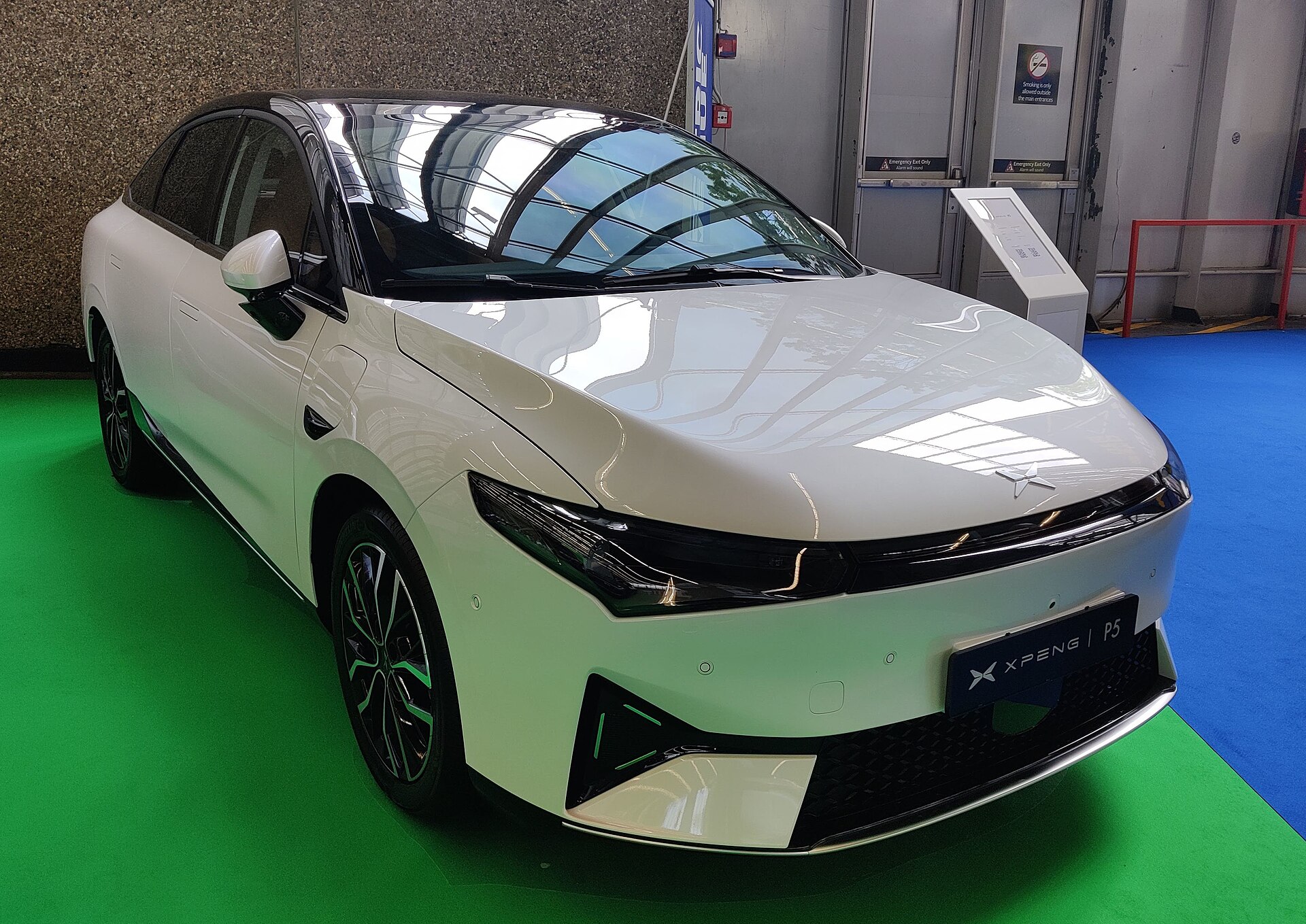
XPENG quietly put its latest driver-assistance stack to the test on some of Europe’s most unforgiving streets, and the early impressions suggest the Chinese automaker may be onto something. A pre-production L03 prototype equipped with VLA 2.0 — XPENG’s next-generation intelligent driving system — navigated Amsterdam’s canal-lined roads in a back-to-back comparison with a Tesla Model 3 running Full Self-Driving. The Dutch capital became the first European market to greenlight FSD, making it a natural proving ground for both systems.
Amsterdam presents a distinct set of hazards that few American drivers would recognize. The city’s narrow lanes, laid out centuries before the automobile, curve around canals and frequently fall victim to construction crews and double-parked delivery vans. Cyclists reign supreme and often ignore traffic signals entirely, materializing without warning. Add scattered rain showers and distracted tourists with hoods pulled low, and you have a stress test that pushes autonomous software to its limits.
According to firsthand observations from the ride-along, VLA 2.0 distinguished itself by reading traffic scenarios ahead of time and responding with conviction. The system spotted cyclists before a human passenger could and adjusted its path without slamming the brakes. It showed particular grace around construction zones, leaving generous buffers and declining to rush back into a lane when more obstacles loomed ahead. The ride quality also drew praise — the L03’s suspension smoothed out potholes and speed bumps in a way that felt noticeably more refined than the Tesla’s setup, a feat made more impressive by the fact that such road imperfections are rare on Chinese urban streets.
Not everything went flawlessly. The safety driver intervened three times: once to reposition for a construction-related lane change that needed undoing, once to maneuver around a stalled vehicle blocking the road, and once to close a gap so following traffic wouldn’t be impeded. Reaction times to user inputs were notably snappy, though — waypoint transitions happened without the pauses or recalculations that can plague cloud-dependent systems, thanks to onboard processing power. A Dutch content creator who also rode in the L03 felt the following distance was tighter than ideal, while the American reviewer found it natural — a reminder that tuning driver-assistance behavior for local expectations remains an unsolved challenge.
What do you think?