
Xiaomi's Sky Nomad Lands 70,000 Orders, But Its 2026 Target Slips Out of Reach
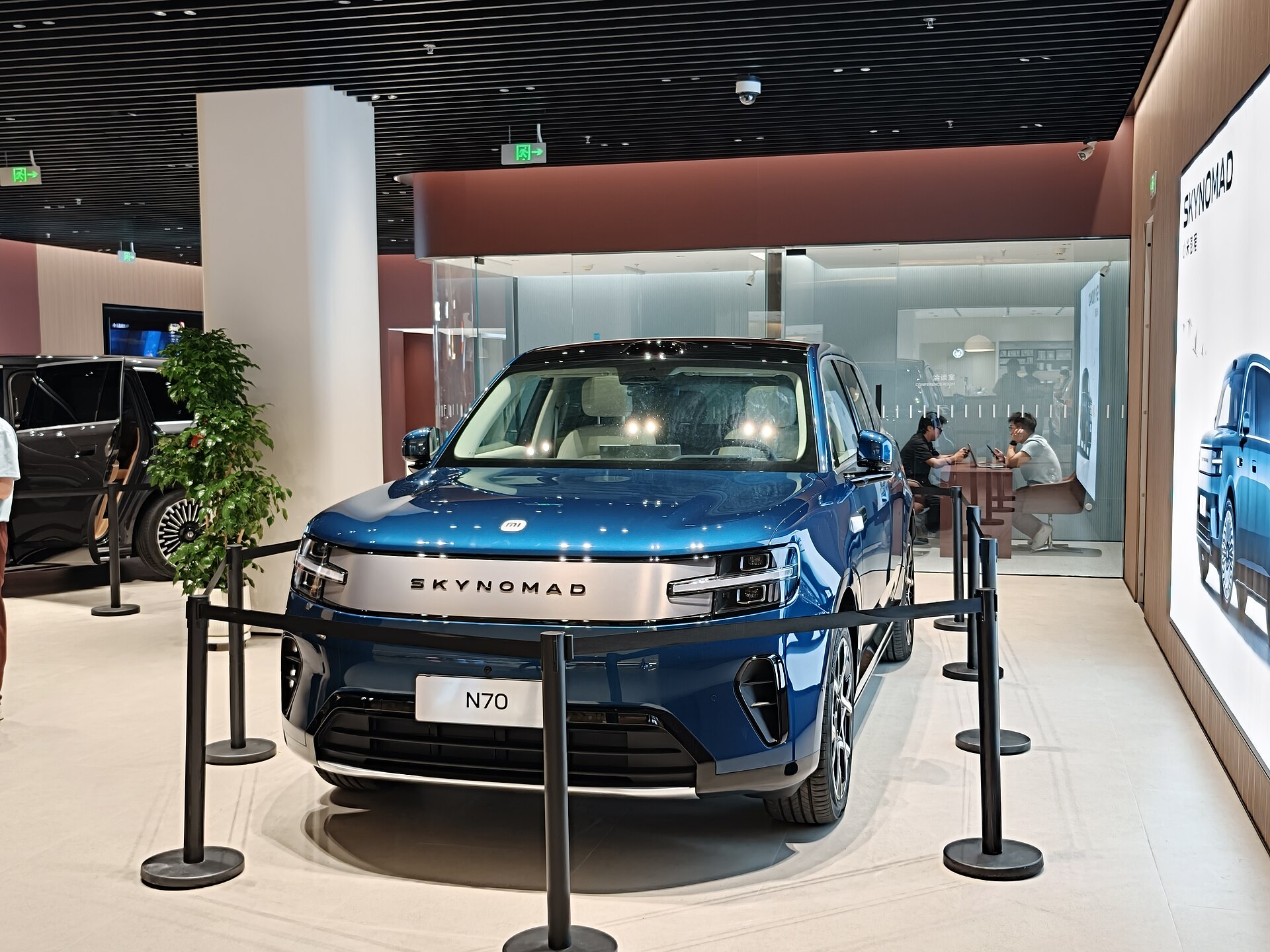
Xiaomi’s first extended-range electric vehicles have arrived with a respectable opening act. According to Chinese media, the Sky Nomad line accumulated over 70,000 orders during its first month on sale, a figure that lifted Xiaomi’s share price by 8% when it was disclosed. The tally builds on the 10,000 locked-in orders that landed within four minutes of the series’ 7 September debut — a signal that the brand’s move into range-extender territory has drawn genuine attention.
The lineup itself spans the five-seat N70 Pro and N70 Max, a seven-seat N90 Max, and a five-seat camping variant featuring a retractable roof. All four rely on a 1.5-litre turbocharged petrol engine acting purely as a generator. Xiaomi also took the unusual step of building inventory ahead of launch so buyers could take delivery within one to five weeks, a direct response to the long waits that frustrated early YU7 customers. Entry pricing starts at CN¥209,900 (roughly US$31,170), and the N70 Max was introduced at its earlier pre-order price — a continuation of the volume-over-margin playbook that had knocked 7.28% off Xiaomi’s stock in July.
Even so, the numbers illustrate how far the company has to travel. Xiaomi has delivered at least 286,475 vehicles through the first nine months of 2026, only 52.1% of its 550,000-unit target. Reaching that goal would demand roughly 88,000 deliveries per month through December — more than twice its strongest month this year. Even assuming the SU7 and YU7 combined hold their summer rhythm of around 30,000 monthly, the Sky Nomad would still need to contribute about 174,000 units by year-end, roughly two and a half times its entire first-month order book.
Context makes the climb steeper still. China’s EREV retail sales slid 15.85% year-over-year to 616,000 units in the first eight months, per China Passenger Car Association data, and Li Auto plus Huawei-backed Aito own seven of the ten best-selling extended-range SUVs. In a contracting segment, most Sky Nomad volume must be captured from entrenched rivals rather than organic demand. September deliveries did push past 40,000 for the first time in 2026, though Xiaomi did not break the total down by model. Local reports from August had suggested pre-orders exceeded 100,000, which — if accurate — implies early interest has yet to fully convert.
The longer view is arguably brighter. Sky Nomad gives Xiaomi a credible third product line and a logical spearhead for its planned European entry in 2027, since EU tariffs spare range-extenders. The uncomfortable part is the comparison closer to home: at September’s pace, Xiaomi would finish 2026 near 406,000 deliveries, below the more than 410,000 it managed in 2025 — a year that closed with a record 50,212 units in December, the hardest act of all to follow. The 550,000 target was effectively out of reach months before the first Sky Nomad reached a customer.
What do you think?