
Why Plug-In Hybrids Keep Running Into the Same Problem
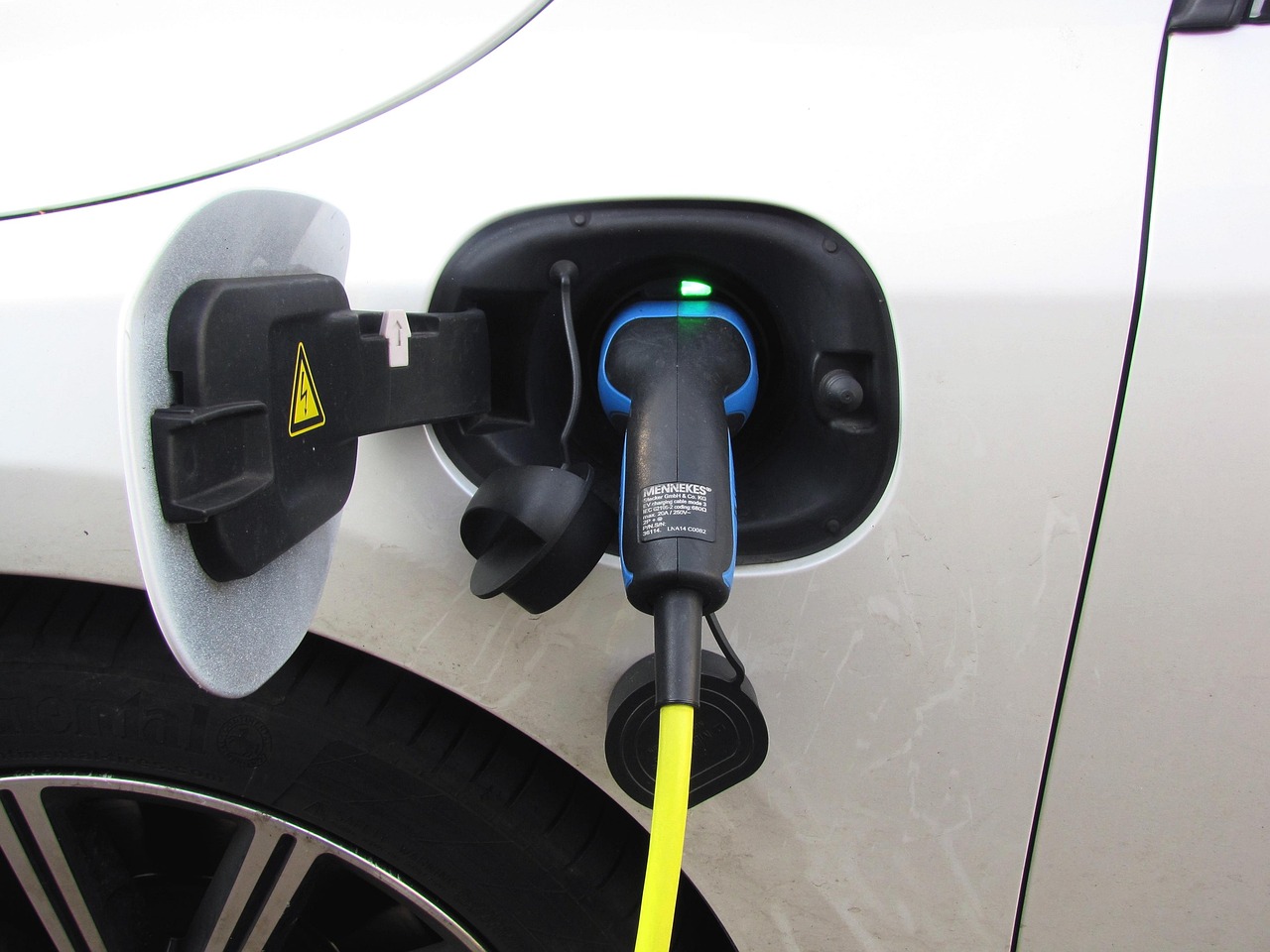
Plug-in hybrids are marketed as the best of both worlds, offering electric driving for daily commutes and a gas engine for longer trips. Yet a recurring issue keeps surfacing: many owners simply don’t plug them in. When that happens, the vehicle leans on its combustion engine far more than intended, and the promised fuel savings and emissions benefits largely disappear.
The root of the problem isn’t just driver behavior. Some PHEVs have limited electric range, slow charging, or charging ports that are inconvenient to access, all of which discourage regular plugging in. Fleet data and owner surveys have repeatedly shown that real-world electric usage can fall well short of official expectations, especially when charging infrastructure at home or work is lacking.
For buyers, the lesson is straightforward. A plug-in hybrid only delivers its full advantage if charging becomes a routine habit. Without reliable access to charging, a conventional hybrid or a fully electric model may make more sense depending on daily driving needs.
What do you think?