
Why Interconnected Power Grids Are the New Frontline of Energy Security
When Russia’s invasion of Ukraine sent European gas and electricity costs soaring, the instinctive response was to chase energy independence. But that reaction missed the point. The continent’s vulnerability didn’t come from relying on partners; it came from funneling too much of its essential power supply through a single, unstable source. The lesson isn’t self-sufficiency—it’s resilience through interconnection.
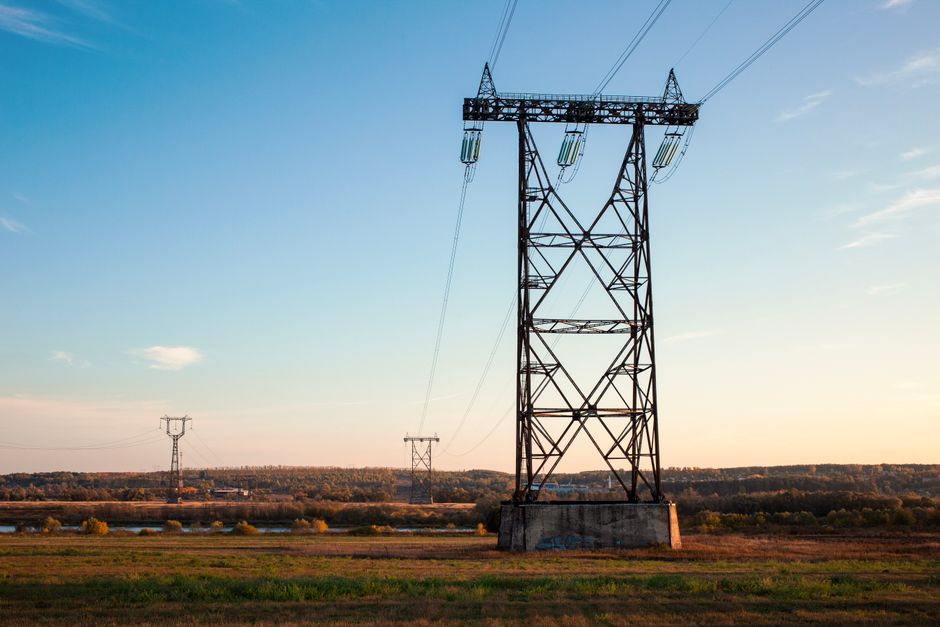
Cross-border electricity links, especially high-voltage direct current (HVDC) lines, are turning into strategic assets. They let countries balance fluctuating renewables, share backup capacity, and smooth out price spikes. A nation with excess wind power can sell it to a neighbor facing a demand surge, reducing the need for costly fossil-fuel peakers and battery storage on every grid.
The real shift is in how we measure security. Traditional thinking equated security with isolation—no external dependencies. But modern energy security is about flexibility and redundancy. Interconnected grids offer a safety net against both natural disasters and geopolitical shocks. When one region faces an outage or a supply crunch, its neighbors can step in instantly.
As renewables scale up, the value of these cross-border links will only grow. Europe’s push to upgrade transmission infrastructure, including new HVDC corridors, is proof that cooperation, not isolation, is the path to affordable, reliable, and clean power. The future of energy security isn’t a wall—it’s a web.
What do you think?