
Why GM's 3.0L Duramax Diesel Is Sparking Owner Anxiety This Year
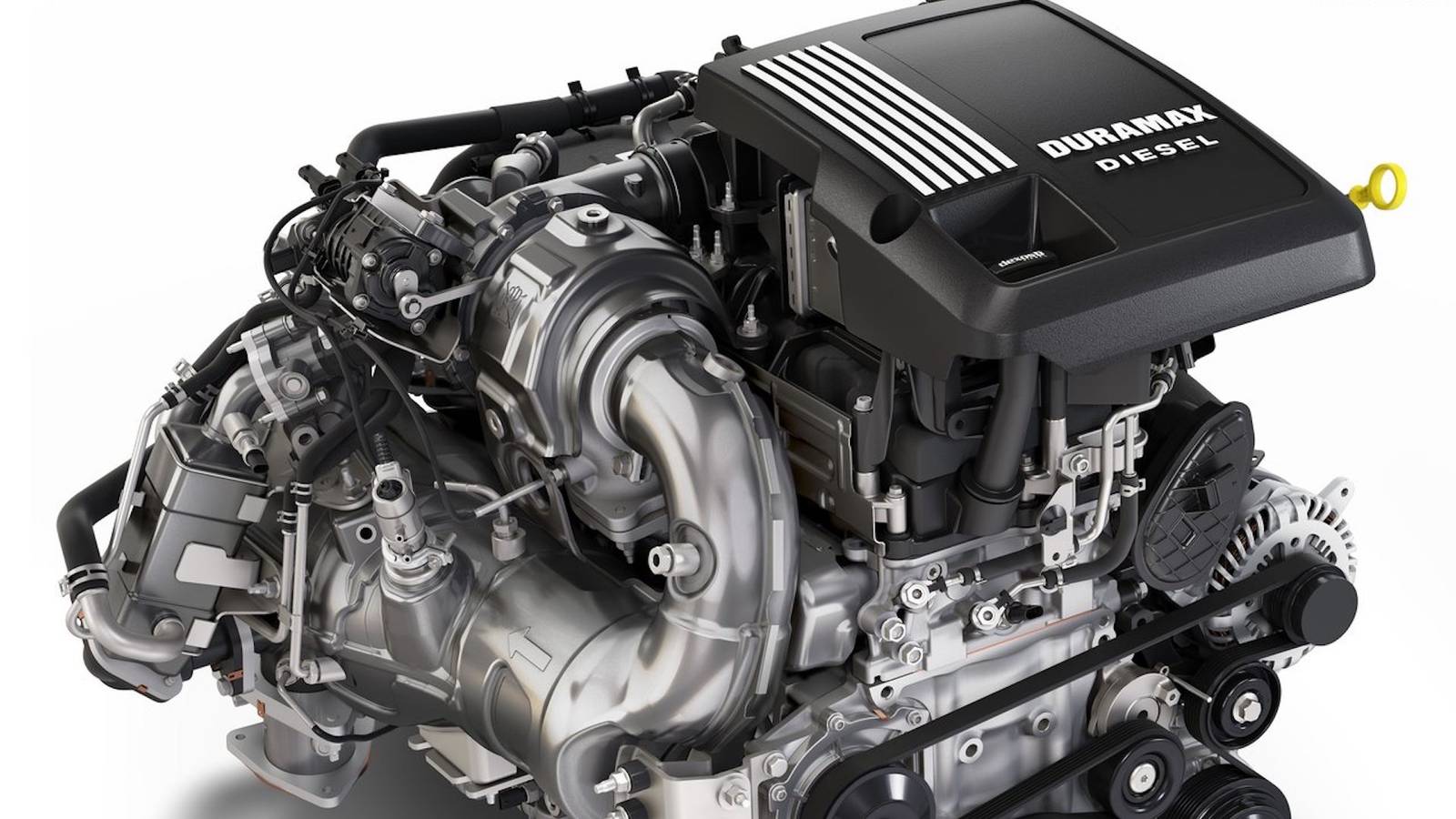
General Motors’ compact 3.0-liter Duramax inline-six diesel — commonly called the “Baby Duramax” — has reportedly become a source of worry for a growing number of owners heading into 2026. According to CarBuzz, the anxiety centers on the engine’s reliability reputation and the uncertainty that comes with owning a modern light-duty diesel after the warranty period. The situation is notable because the Baby Duramax was once pitched as the refined, fuel-efficient alternative to GM’s larger V8 diesels, appealing to half-ton truck buyers who wanted strong towing capability without the bulk of a heavy-duty powertrain.
For diesel loyalists, the stakes go beyond a single engine. Light-duty diesel ownership already demands a specific maintenance routine — diesel exhaust fluid (DEF) top-ups, particulate filter regeneration cycles, and sensitivity to short-trip driving patterns that can clog emissions hardware. When owners begin to question long-term durability on top of those routine demands, the ownership experience shifts from confident to cautious, and that is precisely the psychology CarBuzz describes. The anxiety is less about a single dramatic failure and more about the slow accumulation of uncertainty: what happens out of warranty, what repairs cost, and whether the engine will hold its value.
The broader context is a North American truck market that has been steadily cooling on light-duty diesels. Stricter emissions expectations, the rise of efficient gasoline turbocharged options, and the looming wave of electrified pickups have all chipped away at the case for a small diesel in a half-ton truck. GM’s decision-making around the Baby Duramax therefore carries weight well beyond current owners — it signals how one of Detroit’s biggest automakers views the future of diesel in its most popular vehicle segment.
For shoppers, the practical takeaway is to treat light-duty diesel ownership as a commitment rather than a casual choice. Buyers weighing a Duramax-equipped truck against a gasoline or hybrid alternative should factor in emissions-system maintenance, real-world fuel savings, and resale expectations over a five-to-ten year horizon. For existing owners, the advice is familiar but important: follow the maintenance schedule closely, avoid excessive short-trip driving when possible, and document service history — habits that protect both the engine and the truck’s value if questions about reliability continue to circulate.
What remains unanswered is whether this is a temporary wave of owner concern or a genuine turning point for the engine’s reputation. CarBuzz’s reporting frames it as an anxiety story rather than a recall or defect announcement, and that distinction matters. Until more concrete data emerges, the Baby Duramax’s future — and the willingness of half-ton buyers to keep choosing diesel — will depend on how GM responds to the concerns now surfacing among the people who actually drive these trucks every day.
What do you think?