
Five New Diesel Engines Set to Debut in 2027
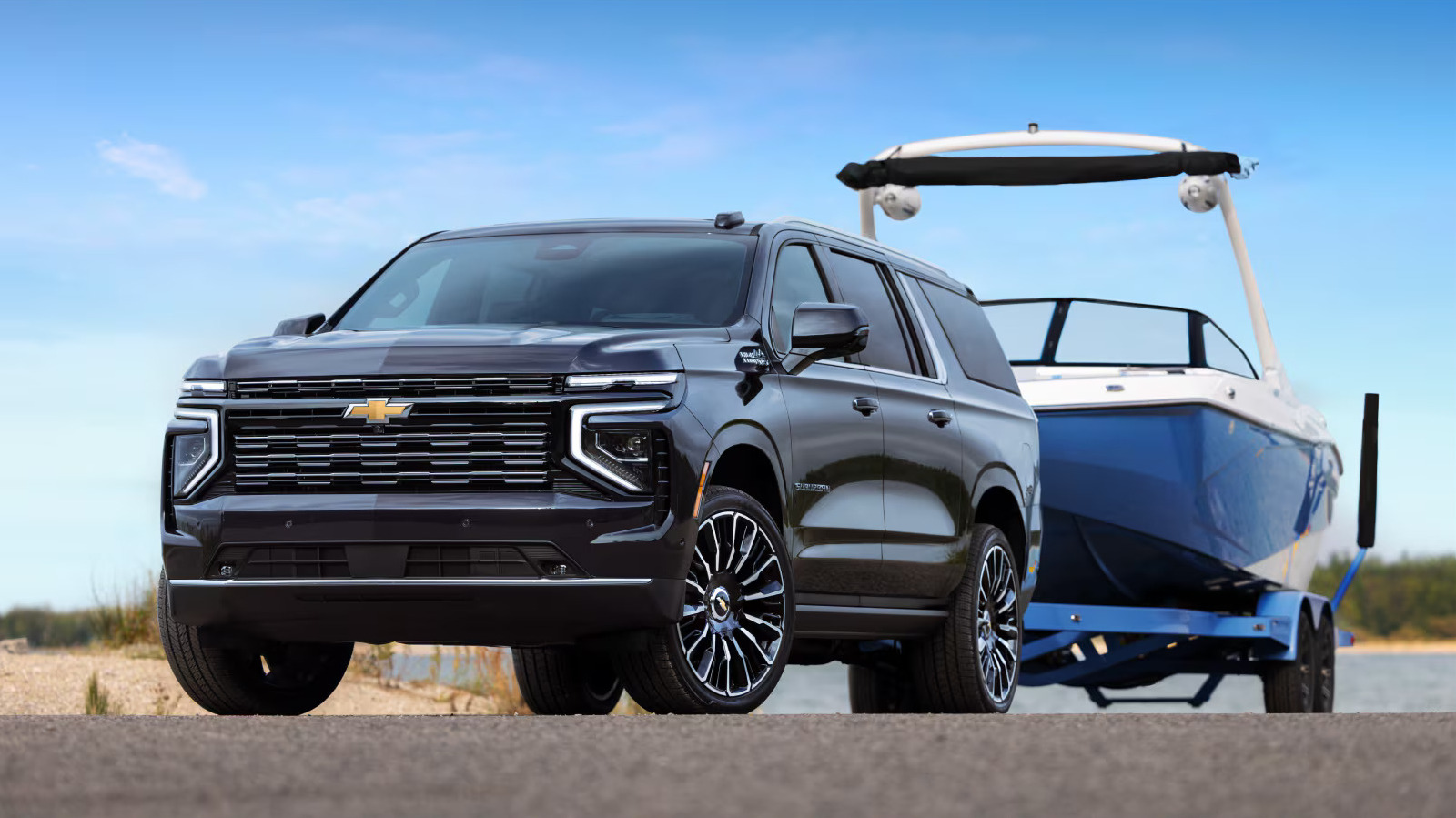
Diesel may be fighting for its place in passenger cars, but the engine itself is far from dead — especially in trucks, commercial vehicles, and global markets where torque and range still matter more than plug-in convenience. According to a recent roundup, at least five new diesel engines are slated to arrive around 2027, signaling that manufacturers still see a future for compression ignition in certain segments. While the original source lists the engines, the broader story is about why diesel remains relevant even as electrification accelerates.
In heavy-duty pickups and commercial fleets, diesel’s high torque output and long-range efficiency remain hard to match. Electric alternatives exist, but they often come with higher upfront costs, charging infrastructure challenges, and reduced payload capacity due to battery weight. That’s why several automakers are continuing to invest in cleaner diesel technology, focusing on reduced emissions and improved fuel economy rather than outright replacement.
These upcoming engines are expected to incorporate advanced aftertreatment systems, higher injection pressures, and lightweight components to meet increasingly strict global emissions standards. The goal isn’t just to keep diesel alive — it’s to make it cleaner and more efficient than ever before. For buyers who tow, haul, or drive long distances, these engines could offer a practical bridge until electric trucks and commercial vehicles become more viable at scale.
Of course, diesel’s future is not uniform worldwide. In Europe, where many cities are introducing diesel bans, the appetite for new oil-burners is shrinking. But in North America and parts of Asia, demand for diesel trucks and heavy equipment remains strong. The five engines arriving in 2027 likely reflect this split: they are not aimed at the mass-market hatchback buyer, but at the workhorse segments where diesel still makes economic sense.
Whether these engines represent a last hurrah or a genuine long-term strategy remains to be seen. What’s clear is that diesel isn’t disappearing overnight — and for some applications, it may not disappear at all. The coming wave of 2027 diesels will test whether cleaner combustion can coexist with electrification, or whether it’s simply a stopgap before the inevitable shift to zero-emission powertrains.
What do you think?