
Why F1's 2026 Efficiency Rules Matter for Your EV's Wheels and Tires
Formula 1’s 2026 technical regulations carry a lesson that resonates well beyond the racetrack. The series remains hybrid rather than fully electric, keeping its 1.6-liter turbocharged V-6, but the electrical share of total power has climbed from roughly 20 percent to around 50 percent. The MGU-K’s output rises to 350 kW, up from 120 kW in the previous era.
At the same time, F1 is trimming weight and drag rather than simply adding power. The minimum car weight drops by 30 kg, and Pirelli’s new tires are 25 mm narrower at the front and 30 mm narrower at the rear, shaving about 1.6 kg across the set. That combination—more electrical performance alongside less mass and drag—is the real takeaway for road-going EVs: the powertrain, wheels, tires, aerodynamics, suspension, and software have to function as one system.
To be clear about the two championships, Formula E is a standalone all-electric series rather than an electric arm of F1, and their tire supply chains differ. Pirelli serves F1; Hankook equipped Formula E through the 2025/26 GEN3 Evo season, with Bridgestone taking over for GEN4 in 2026/27. Even so, Formula E illustrates how fast electric performance has moved. The GEN3 Evo ran a minimum weight of 859 kg with the driver, versus 768 kg for 2026 F1, and could hit 60 mph in 1.82 seconds—quicker off the line than a contemporary F1 car, though its 200 mph ceiling was lower. Its roughly 80-decibel soundtrack also means tire, drivetrain, and aero noise become far more noticeable.
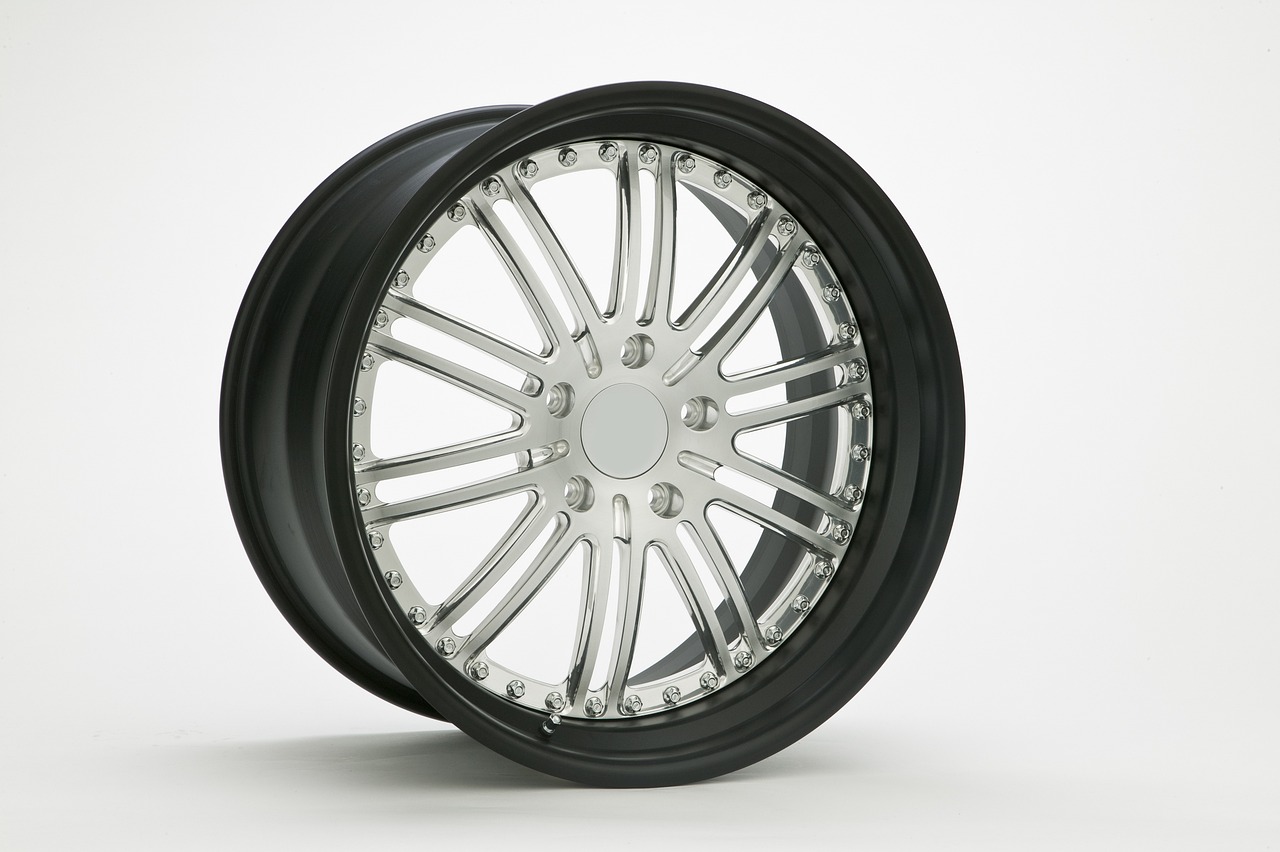
Wheel choice carries outsized consequences on an EV. A wheel contributes both rotational mass, which must be accelerated every time speed rises, and unsprung mass, which sits below the suspension and affects how consistently the tire stays in contact with the road. A heavier wheel can touch energy consumption, steering response, braking, and ride quality all at once. Bigger-diameter wheels tend to add weight and demand lower-profile tires, which may sharpen steering and improve looks but can hurt comfort and efficiency, while wider packages can raise drag and rolling resistance depending on design. Lighter is not automatically better, either: EV wheels still need adequate structural strength, load capacity, brake clearance, and durability, since these vehicles are often heavier than comparable gasoline models.
Drawing on more than one million wheels and tires sold across USAWheels and CanadaWheels, one of the most common EV owner mistakes is choosing wheels mainly by appearance. Upsizing can quietly reshape range, acceleration, comfort, road noise, and tire replacement costs. On tires, low rolling resistance helps preserve range but must not compromise wet braking, cornering stability, or load capacity—EV tires also have to manage battery weight, instant torque, and regenerative braking forces, all while a quieter cabin makes tread and road noise more prominent. Proper fitment is just as critical: width, diameter, bolt pattern, offset, center bore, brake clearance, and load rating all matter, along with tire size, overall diameter, load index, speed rating, and TPMS compatibility. Small offset changes can alter suspension clearance and steering geometry, and meaningful diameter changes can affect speedometer accuracy and the data traction and stability systems rely on.
Before swapping an EV’s wheels or tires, owners should verify load ratings, keep overall diameter appropriate, check offset and brake clearance, pick a tire matched to their climate and driving priorities, and maintain correct pressure and alignment. The broader F1 lesson is that no single spec should be chased in isolation: the lightest wheel isn’t automatically the safest, and the lowest-rolling-resistance tire isn’t automatically the best. The strongest EV setup balances fitment, weight, efficiency, grip, braking, comfort, durability, and safety as a complete package.
What do you think?