
Why Crack Spreads Keep Pump Prices High Even When Oil Is Steady
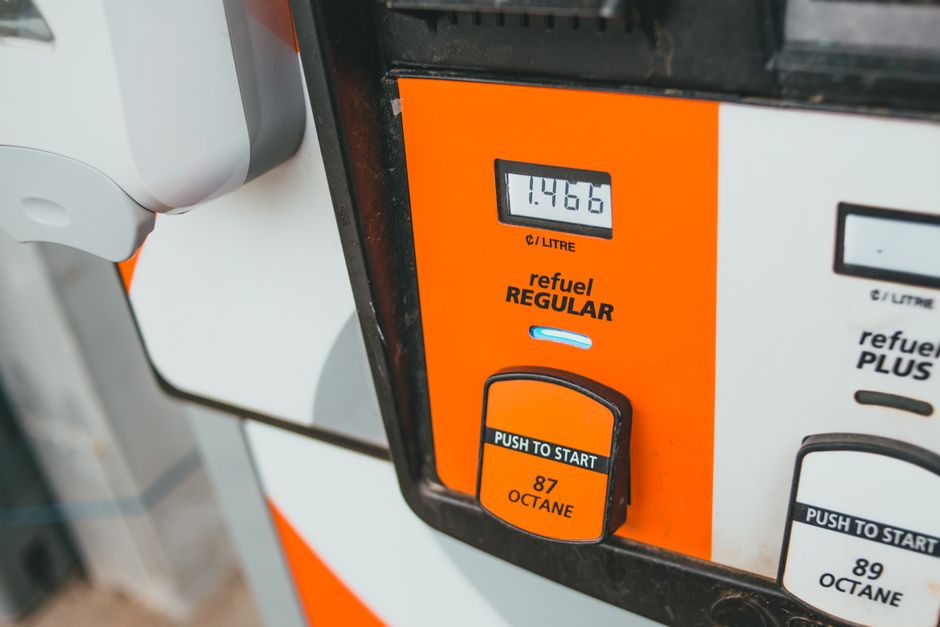
Drivers filling up this week may notice that gasoline prices are not simply tracking crude oil. A key reason sits in the refining stage: the gap between what refiners pay for crude and what they can charge for finished fuels like gasoline and diesel. That margin is known as the crack spread, and it serves as a rough gauge of refining profitability. When it widens, the wholesale price of fuel climbs — and those costs are eventually passed along to the pump.
A common way to measure the spread is to take the wholesale price of a gallon of fuel and subtract the spot price of the crude needed to make it. When that number rises, it signals that refining capacity is tight relative to demand for refined products, or that the market expects fuel supplies to stay constrained.
The takeaway for consumers is that crude prices alone do not tell the whole story at the station. Elevated crack spreads, combined with firm crude oil costs, help explain why retail fuel prices can stay uncomfortably high — and why the refining margin, not just the barrel price, deserves attention in any discussion of what drivers pay.
What do you think?