
What to Consider Before Installing a Home EV Charger
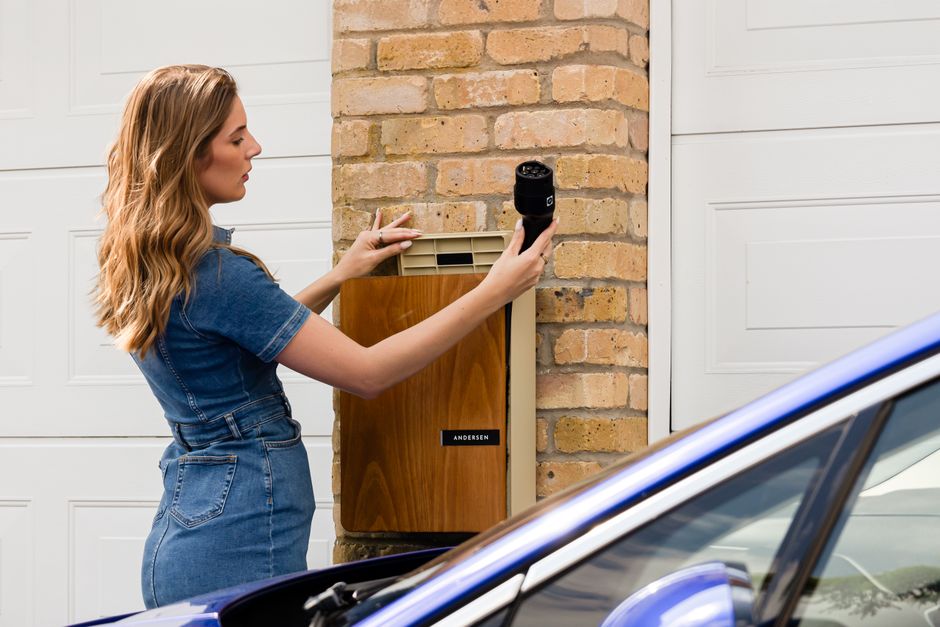
Installing a home EV charger is more than just buying a device and plugging it in. It requires careful planning, starting with an electrical assessment. Many homes may need a panel upgrade to handle the additional load, which can add significant cost. Before committing, homeowners should evaluate their electrical capacity and consider future needs, such as a second EV.
Permits are often required for installation, and skipping them can lead to fines or complications when selling your home. It’s essential to check local regulations and work with a licensed electrician who can handle the paperwork. Additionally, choosing the right charger matters: Level 2 chargers are faster but need a 240-volt outlet, while Level 1 chargers use a standard 120-volt outlet and charge slowly.
Thinking ahead can save money and hassle. For instance, if you plan to upgrade your electrical panel later, it might be more cost-effective to do it during the charger installation. Also, consider smart chargers that can schedule charging during off-peak hours to reduce energy costs. By addressing these factors early, you can avoid unexpected expenses and ensure a smooth installation process.
What do you think?