
Waymo Publishes Novel Framework for Handling AV Incidents Before They Happen
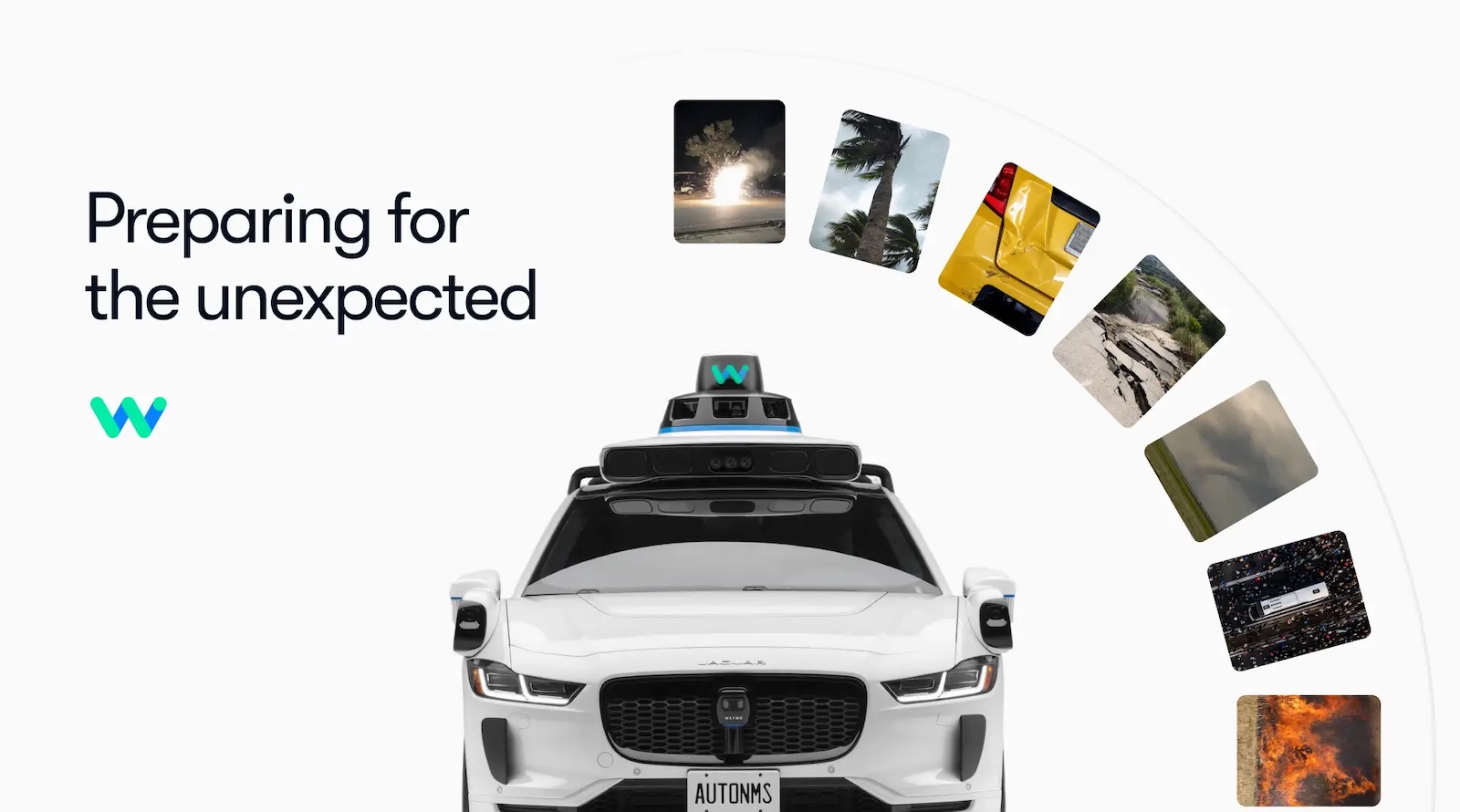
Waymo researchers, working alongside specialists in incident readiness, have released a new paper that lays out a structured approach for how autonomous vehicle operators should prepare for and manage large-scale emergencies. The work is pitched as the first framework of its kind aimed at helping the AV industry plan, rehearse and continuously refine its response capabilities.
The approach repurposes proven emergency-management methodology, notably the U.S. Federal Emergency Management Agency’s Homeland Security Exercise and Evaluation Program, and tailors it to the realities of driverless fleets. Rather than treating every situation as a simple collision-avoidance problem, the framework acknowledges that AV operators may face events affecting many vehicles at once, ranging from natural disasters to complicated transportation disruptions. It is designed to give AV developers, operational partners, first responders and public-safety agencies a common vocabulary and a shared set of steps for designing exercises, judging how well responses worked, and updating emergency playbooks over time.
A central idea in the paper is that rehearsal is what turns a written plan into a usable capability. Organizations that test their procedures ahead of time are better positioned to spot weaknesses and close them before a real crisis hits. The framework walks teams through every phase of an exercise, from the early planning and activation of personnel through the actual response and a structured review of what happened, so that lessons learned feed back into improved practice. It also groups exercises by purpose, distinguishing formative sessions such as consultations, seminars and workshops that establish plans and roles; educational tabletop scenarios and collaborative drills used to refine playbooks; summative drills and functional exercises that stress specific systems; and confirmatory full-scale exercises meant to verify end-to-end readiness. The authors stress that the objective is not simply to run bigger exercises, but to match the exercise to the capability being tested as an organization’s maturity grows.
The paper also emphasizes that no single company handles a major incident alone. Depending on the circumstances, an effective response can require tight coordination among AV developers, their operational partners, first responders, emergency-management agencies and other government bodies. Exercises serve as a low-stakes setting to clarify who does what, sharpen communication channels and build working relationships long before they are needed in the field. As autonomous technology spreads, the authors argue, preparedness practices need to scale with it, and adopting a common framework can help the industry move toward more consistent and reliable incident readiness.
Waymo has made the full paper available for interested readers.
What do you think?