
VW's First Xpeng-Built EV Is Barely Moving. That's a Bigger Problem Than It Looks
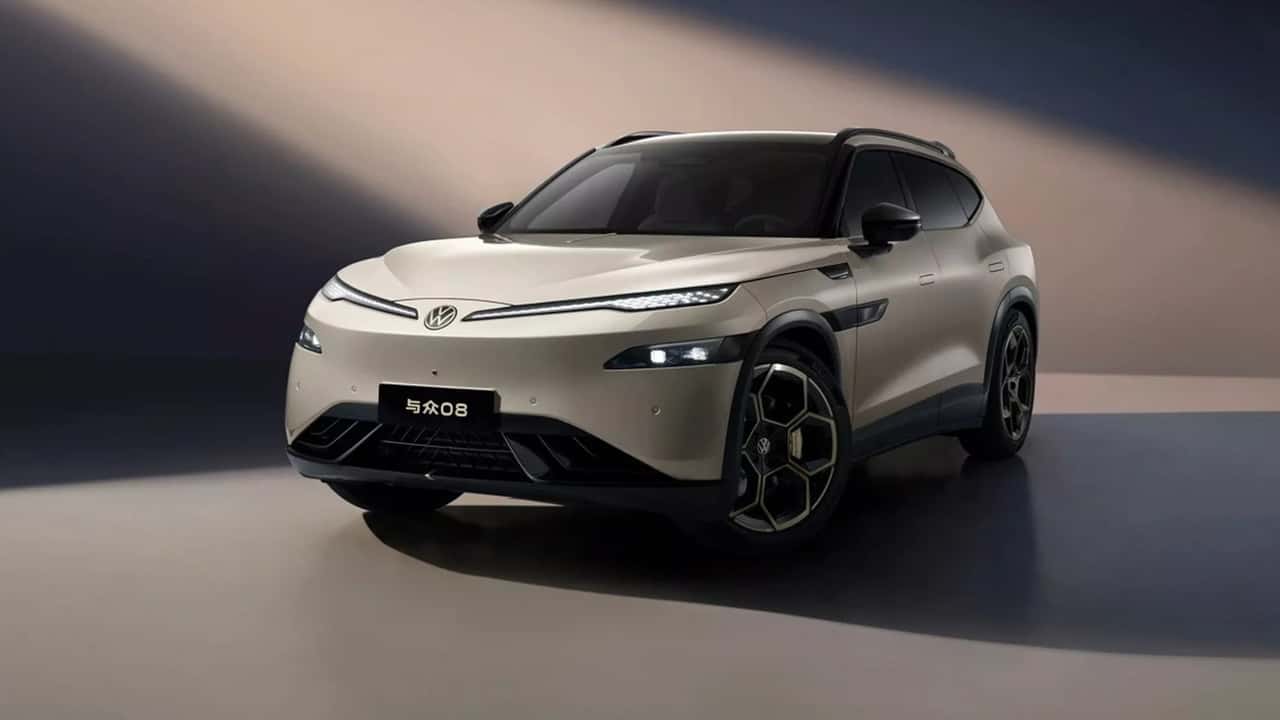
Volkswagen’s answer to its Chinese sales slump was supposed to be speed — build EVs with local partners, get them to market faster, undercut the competition. The first fruit of that bet, the ID. Unyx 08, is instead stuck at roughly 267 deliveries a month, a long way from the 3,622-unit monthly target reported in internal company documents.
The figure, drawn from ThinkerCar data and reported by Reuters, covers the model’s run through August. Volkswagen declined to discuss its internal sales goals with the outlet. The car has been on sale since April.
What the ID. Unyx 08 actually is
Built at VW’s Anhui plant, the ID. Unyx 08 is a midsize electric crossover aimed at China’s premium segment. Underneath the sheetmetal it borrows heavily from the Xpeng G9, the product of a platform-and-software partnership that mirrors what VW is doing with Rivian in the United States.
Key Specs: Midsize electric crossover · Built on Xpeng-derived platform · Anhui plant production · Launched April · ~267 units/month vs. 3,622 target
Pricing is where things get awkward. The car started around $35,000 — a steal by Western standards, but nothing special in China, where the ID. Unyx 08’s two main rivals, the Xiaomi YU7 and Zeekr 7X, ask slightly less money and are considerably easier to find.
That last point may matter more than the sticker. VW sells the ID. Unyx 08 only through dedicated ID. Unyx stores, while Xiaomi and Zeekr put their cars in showrooms inside almost every upscale shopping mall in the country. Walk through the right mall on a Saturday and the competition is literally in front of you.
The tech gap is the real story
Gartner research vice president Pedro Pacheco summed up the customer mindset for Reuters: Chinese buyers wonder why they should pay more for a German car when they can get better technology for less.
It’s hard to argue with the sales charts. Xiaomi’s sensor suite and its deep hooks into the company’s phones and home devices are a tough package to match. Zeekr answers with quick DC fast charging. VW, for all its engineering pedigree, doesn’t have an obvious counterpunch.
- Speed to market: Shorter development cycles delivered the car quickly, but quick isn’t the same as compelling
- Distribution: Dedicated brand stores versus mall-adjacent rivals with far more foot traffic
- Price: Roughly $35,000 at launch, since trimmed to about $28,500
- Positioning: Premium pricing against homegrown brands that bundle more tech
The wider context is brutal. Volkswagen Group moved a record 4.2 million vehicles in China in 2019. Last year that number sat at 2.69 million. The ID. Unyx line was meant to be part of the climb back.
Toyota shows the playbook isn’t broken
Joint-venture EVs can work in China. Toyota’s BZ3X, which shares much of its engineering with the GAC Aion V, has been a genuine hit — it moved a record 10,000 units in April alone and has worn the crown of China’s best-selling joint-venture EV.
So the model isn’t the issue. Execution is.
VW isn’t standing still. It’s expanding the ID. Unyx dealer network and has cut the 08’s price to around $28,500. Meanwhile the next model from the Xpeng tie-up, the ID. Unyx 09 sedan, carries an even bolder internal target of 4,900 units a month — a number that now looks optimistic rather than ambitious.
Reuters also reports that VW is weighing whether to sell Xpeng-based ID. Unyx models beyond China. Given the stock sitting at Anhui, that wouldn’t come as a shock.
Source: InsideEVs
What do you think?