
Volvo's EX60 Rollout Stumbles: U.S. Buyers Will Have To Wait
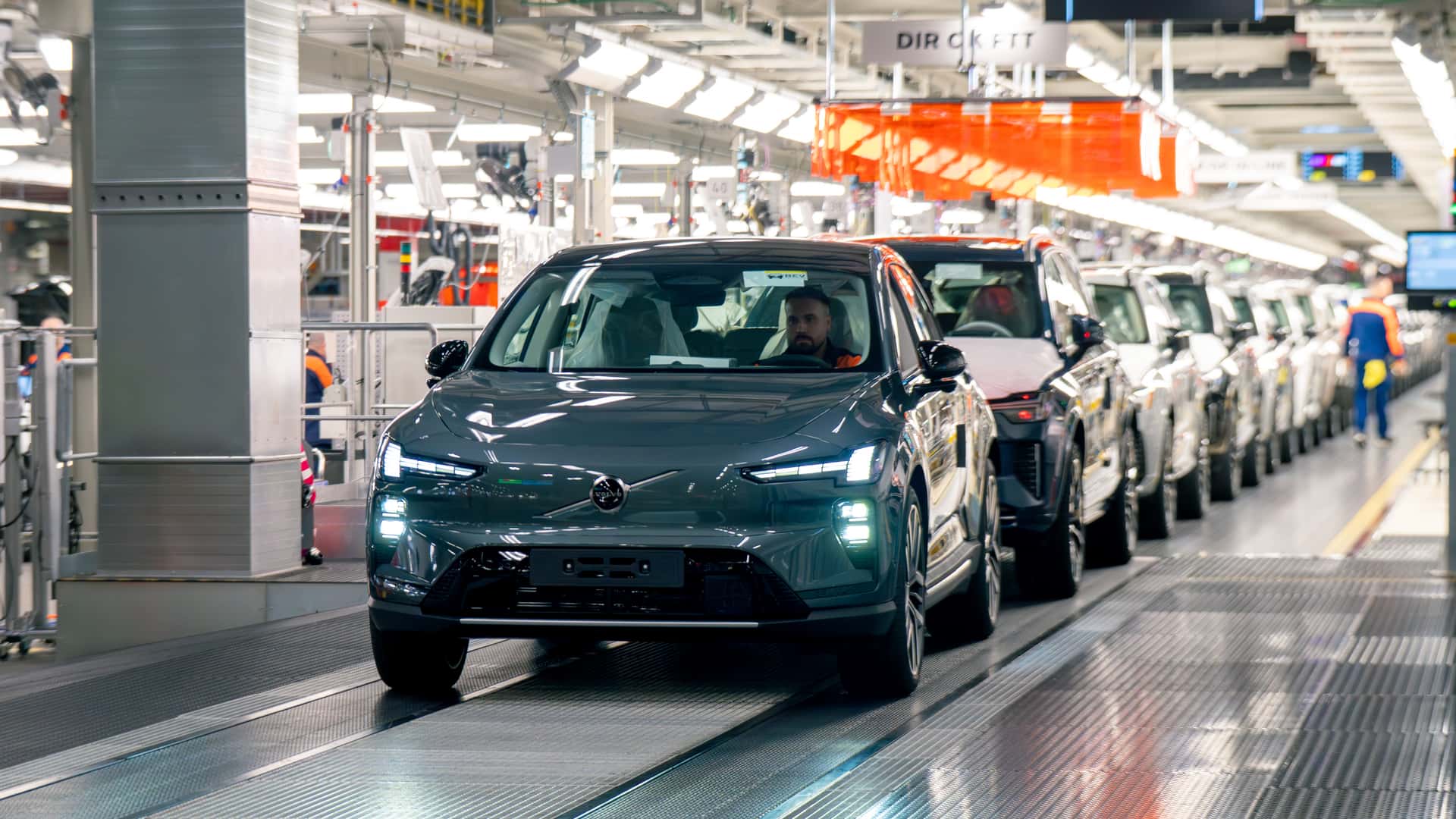
Volvo had high hopes for the EX60. The electric crossover was meant to be the model that pulled the Swedish brand out of a rough patch, offering strong range, quick charging and a comfortable cabin that could square up against the BMW iX3 and Mercedes-Benz GLC Electric. Instead, the launch is moving far slower than planned, and American shoppers are set to feel the delay more than anyone else.
According to reporting from Automotive News, two assembly headaches are holding back output. Fitting the high-voltage battery pack into the body is proving trickier than engineers anticipated, and building the electric motors for the crossover has also been a challenge. The numbers tell the story: Volvo aimed to build around 2,000 EX60s a week at its Torslanda plant in Sweden, yet actual output has run at roughly a tenth of that target. Production kicked off in late April, and GlobalData estimates put worldwide sales at about 500 units in July and roughly 250 in August.
With supply so tight, Volvo is putting Europe first. EV demand there is strong, so the company intends to funnel available cars to that market while U.S. dealers wait. Volvo had hoped to move about 7,000 EX60s in America this year, but only a handful have crossed the Atlantic so far. Significant shipments are now expected to arrive in the first half of 2027, and the brand’s stateside lineup has thinned out after the EX30 and EX40 were dropped, leaving the EX60 as the most affordable new Volvo EV on American soil.
A Volvo spokesperson, Jacquelyn Johnson, acknowledged that availability will “remain limited” for now, adding that a “significant number” of already-allocated cars should reach U.S. dealers early next year. She pointed to the model’s advanced manufacturing methods — megacasting and cell-to-body construction among them — as industry-first concepts with “no blueprints to copy,” which is why the ramp-up is taking longer than expected.
The stakes are high. Volvo’s global sales fell 11% in the third quarter, and its recent launches have been bumpy: the EX90 flagship needed platform updates to address software problems, while the EX30 arrived with a steeper price than many had anticipated. Meanwhile, BMW and Mercedes-Benz are already delivering their fresh electric crossovers to American customers, giving them a head start in the race for buyers.
What do you think?