
Volkswagen's Cost-Cutting Crusade: Does It Miss the Mark?
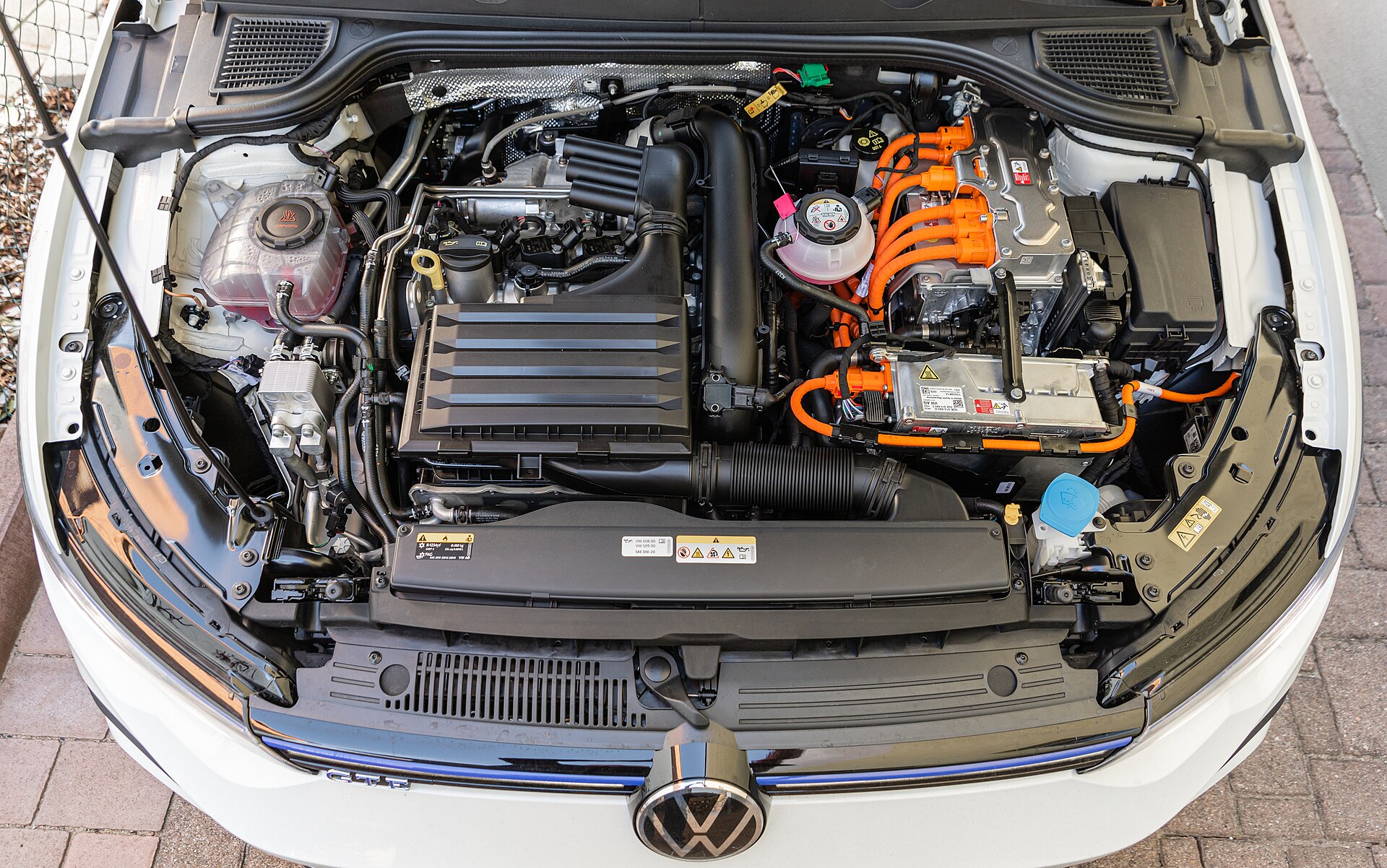
Volkswagen has launched an aggressive cost-cutting initiative aimed at streamlining operations and boosting efficiency. The automaker plans to reduce expenditures across various departments, including administrative functions, manufacturing processes, and research and development. However, critics argue that these measures overlook the areas where savings could have the most significant impact.
One key concern is that Volkswagen is not addressing its bloated vehicle lineup and complex platform strategy, which lead to inefficiencies and higher production costs. By simplifying its model range and focusing on core segments, the company could achieve substantial savings without compromising its competitive edge.
Additionally, the company’s push into electric vehicles (EVs) requires massive investments. While cost cuts are necessary, they must be balanced with the need to innovate and bring compelling EVs to market. Cutting corners in EV development could hinder Volkswagen’s ability to compete with Tesla and other emerging players.
Industry analysts suggest that Volkswagen should prioritize reducing complexity in its engineering and procurement processes. Standardizing components across models and leveraging economies of scale could yield significant cost benefits. Furthermore, streamlining decision-making and reducing bureaucracy would enhance agility and responsiveness to market changes.
As Volkswagen navigates this challenging landscape, it must ensure that its cost-cutting measures do not undermine its long-term strategic goals. The automotive industry is undergoing a radical transformation, and companies that can efficiently allocate resources while fostering innovation will be best positioned for success.
What do you think?