
Volkswagen Recalls 22,524 ID.4 EVs Over Battery Fire Risk, Tells Owners to Cap Charging at 80%
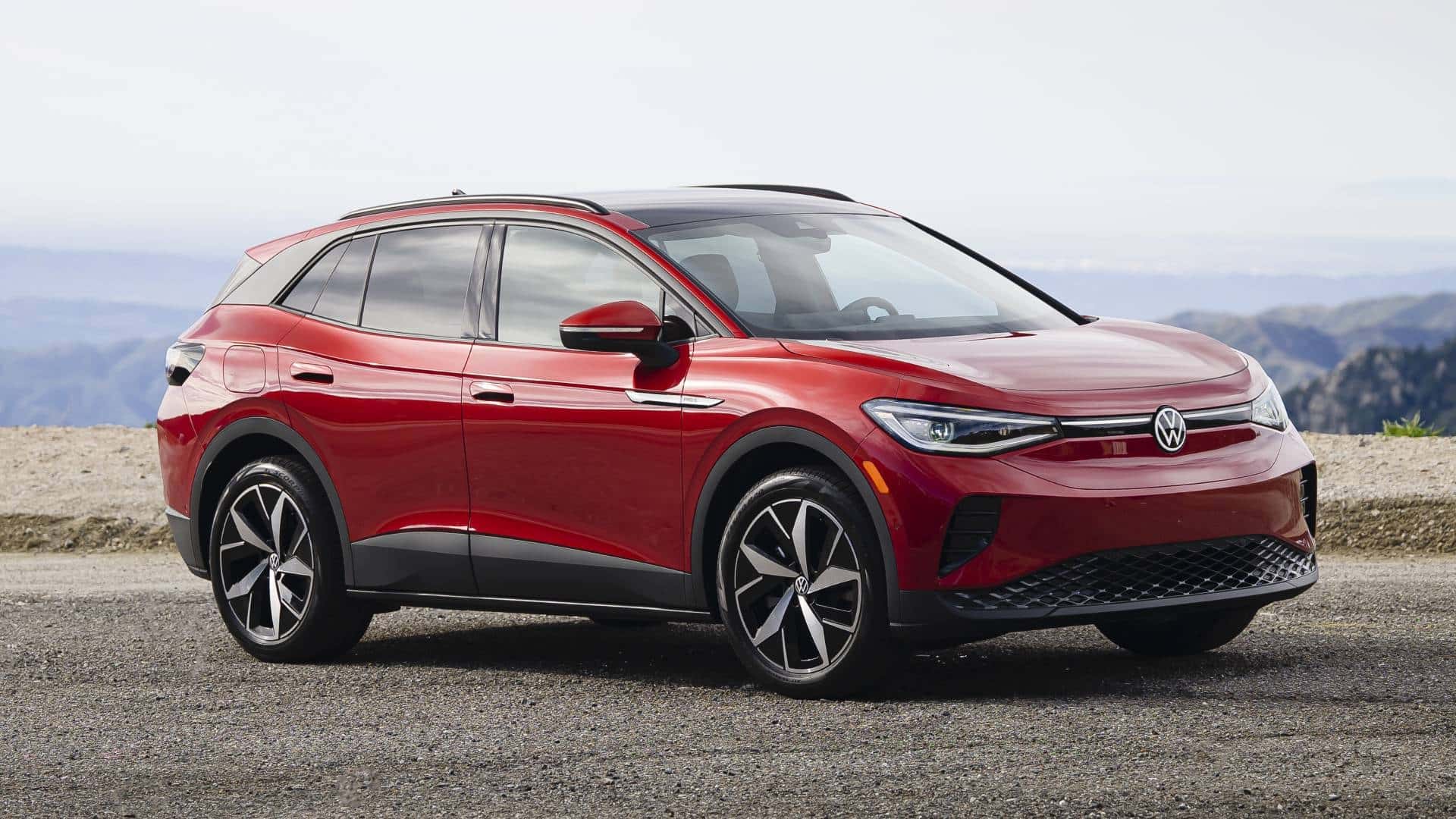
Volkswagen has issued a recall covering 22,524 ID.4 electric crossovers in the United States after discovering that some high-voltage battery packs can overheat and potentially catch fire while charging. The affected population spans the 2023 through 2026 model years, with the automaker estimating that only about 0.1% of those vehicles actually carry the defect.
According to filings submitted this month to the National Highway Traffic Safety Administration, VW has not yet pinned down the precise mechanism behind the failures. The company’s own description points to a combination of specific charging behaviors and a state of charge exceeding 80% that may set off thermal propagation inside the battery. The cells in question come from supplier SK.
The decision to launch the recall was made on September 23, 2026, following 22 separate field reports from American customers logged between January 18, 2024 and August 7, 2026. Because no permanent remedy exists yet, VW is relying on interim measures. Owners are being asked to keep their cars below an 80% charge, and warning stickers will be placed in visible areas of the cabin and near the charge port as a reminder. Depending on how a given vehicle is equipped and connected, VW says some ID.4s may also be remotely configured to enforce an 80% charging ceiling, a hint that an over-the-air software update could form part of the fix.
Until engineers identify the root cause and deliver a durable solution, ID.4 owners face a temporary change to their daily routine, particularly those who rely on a full battery for longer trips. EV fire incidents remain statistically rare, but battery thermal events are notoriously difficult to extinguish and carry outsized attention, making recalls of this kind especially sensitive for brands trying to build confidence in electric drivetrains. Volkswagen has not indicated a timeline for the permanent repair, and no injuries or confirmed fires tied to the defect have been described in the recall documentation.
What do you think?