
Volkswagen Braces for Make-or-Break Union Talks as Audi Weighs Georgia Plant
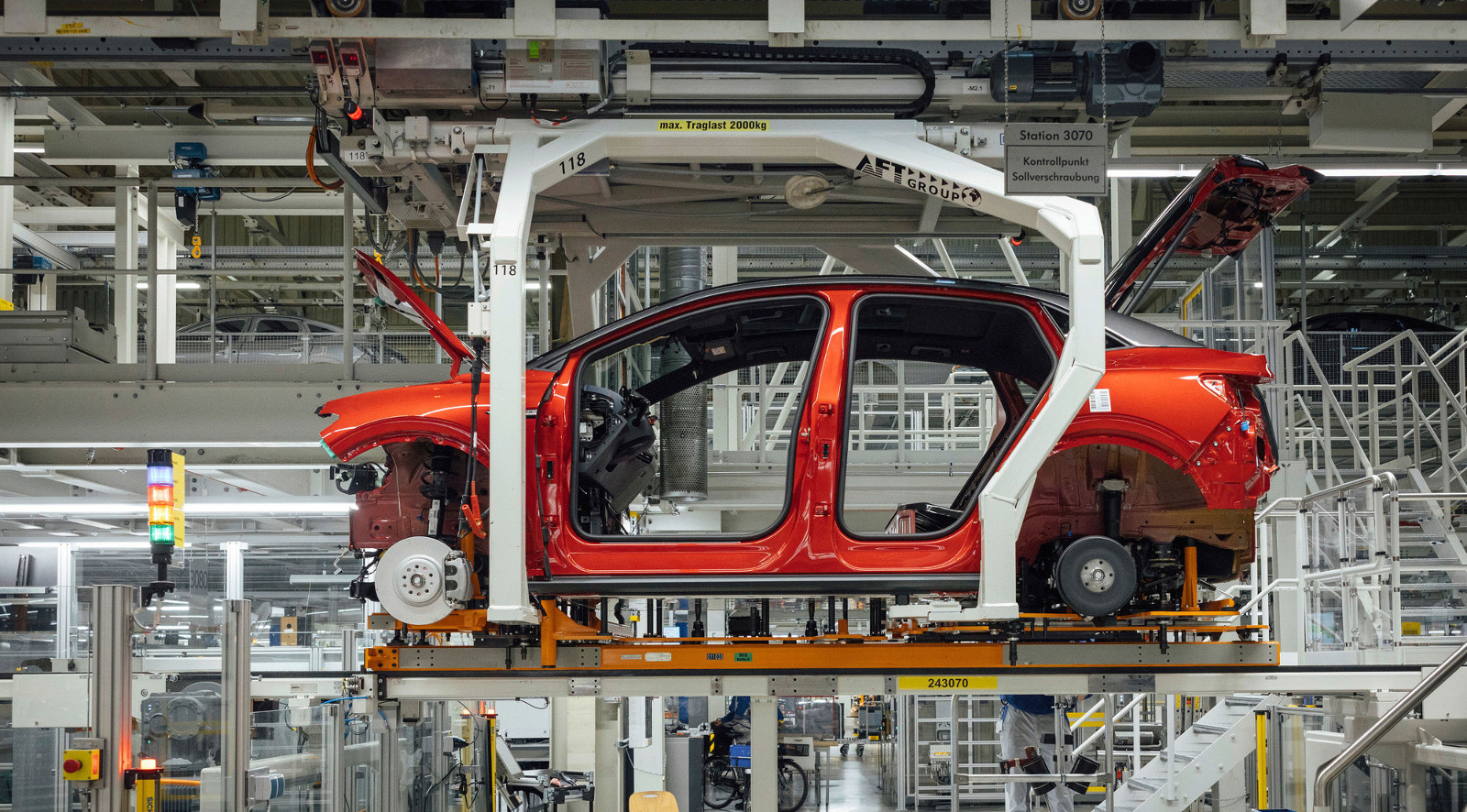
Volkswagen Group heads into November with two very different stories running at once. In Germany, management and IG Metall are set to open collective bargaining in Emden on November 24, with a second session pencilled in for Zwickau on December 15. Across the Atlantic, the group’s Audi brand is reportedly preparing to break ground on a $4 billion factory near Macon, Georgia.
The backdrop to the German talks is brutal. VW booked an operating profit of €22.6 billion in 2023; by 2025 that had collapsed to €8.9 billion, and 2026 could land at roughly half of that.
Management says its German plant network is simply too big and has floated closing up to four sites and cutting 50,000 domestic jobs. Globally, up to 100,000 positions could disappear within four years, part of an austerity push aimed at €20 billion in savings across the value chain by 2030 and €11 billion in overhead reductions.
The Spark: Terminated Wage Provisions
On September 30, Volkswagen announced it was pulling out of a swath of wage provisions agreed with IG Metall in December 2024 — arrangements covering more than 100,000 workers at its main German plants, spanning working hours and holiday pay. The company argues that its deteriorating finances constitute the “material change” both sides had allowed for in that deal.
Thorsten Groeger, IG Metall: “This is a despicable blow to the workforce. We will not accept this. Anyone who tries to reach into the employees’ pockets must expect a fight.”
HR chief Arne Meiswinkel framed the move as a way to reopen room for negotiation rather than a final position. “We must continue to work on our cost structures,” he said, adding that cancelling the provisions “gives us room to negotiate so that we can then agree on the necessary measures.”
IG Metall is contractually barred from striking until January 1, 2027. That has not stopped the sabre-rattling: Groeger has given the company until the end of October to withdraw the termination notice, warning that otherwise a process begins that “will pave the way for industrial action at Volkswagen.” There is recent history here — a similar cancellation in September 2024 ended in strikes and a December 2024 deal that included 35,000 job cuts.
Works council chief Daniela Cavallo took aim at the board after last week’s meeting in Hanover, noting that the executive board plans to freeze salaries for 660,000 staff worldwide through 2030. Her response: some of the changed conditions were foreseeable, and the country’s best-paid management should be working with workers on a fix.
What VW Wants From the Table
The company’s stated priorities for the talks read as follows:
- Voluntary exits: maximum use of voluntary departure options.
- Transfer companies: publicly funded vehicles that let employees gain new qualifications and open fresh job-market prospects.
- Labor costs: a straight reduction.
That middle bullet is worth a second look — it effectively shifts part of the financial burden onto German taxpayers.
Meanwhile, Audi Looks South
Audi will reportedly spend $4 billion on a plant south of Macon, Georgia, sized for 200,000 vehicles a year once complete. Site clearing and grading are expected to start this year, with production targeted for 2031. CEO Gernot Döllner has confirmed the factory will build SUVs.
The logic is easy to read. BMW has long assembled in South Carolina and Mercedes-Benz in Alabama, both leaning heavily on SUVs. Audi and Porsche, by contrast, have taken a hit from US tariffs on German-built cars. Volkswagen itself currently builds only the Atlas at its Chattanooga site, and its record of American manufacturing has been patchy since it took over a former Chrysler plant in Westmoreland County, Pennsylvania, back in the 1970s.
The optics are awkward. VW is discussing closures at home while funding new capacity abroad — including a South Carolina site earmarked for “rugged” electric and plug-in hybrid models aimed at the Ford Bronco and Jeep crowd.
No one is yet suggesting the group cannot survive this. But the squeeze in Germany is real, and the November 24 sit-down will go a long way toward deciding how it plays out.
Source: CleanTechnica
What do you think?