
UK's First Multi-Berth Shore Power System Opens at Portsmouth — But the Math Doesn't Add Up
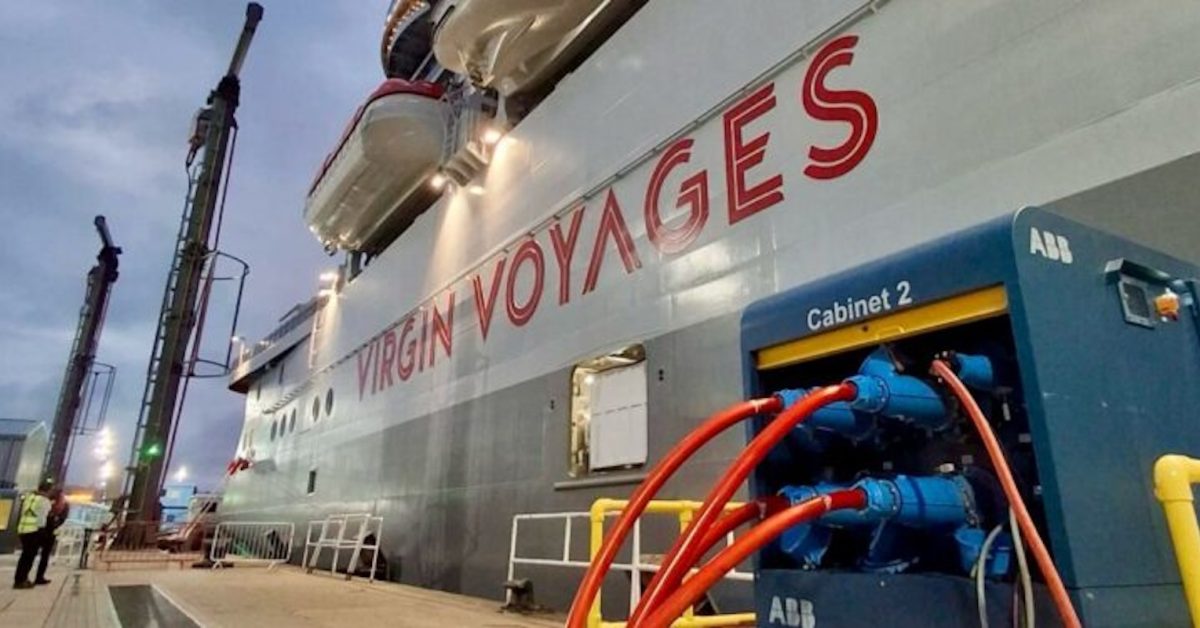
Portsmouth International Port has switched on the UK’s first high-voltage, multi-berth shore power setup, a system that lets docked vessels plug into the national grid and power down their onboard diesel generators. The pitch is straightforward: cleaner air around the harbor, lower fuel bills for operators, and one more building block toward a net-zero port. Yet early economics suggest the clean option may cost more than simply running the engines.
The reason isn’t poor engineering at Portsmouth. It’s the price of British electricity. According to figures cited in the project’s own analysis, power accounts for roughly 80–85% of what a ship pays when it connects to shore, with port fees making up the remaining 15–20%. With grid electricity priced where it is, plugging in can be pricier than burning fuel oil onboard. Grid-related levies compound the problem: Transmission Network Use of System charges are projected to climb about 10% annually over the next five years, inflating the cost of an already expensive hookup.
The broader UK picture explains the squeeze. The House of Commons Library reported that British electricity prices sat 18% above the EU average in the second half of 2025, while the International Energy Agency has found that power costs for energy-intensive EU industries run at more than double US levels. Shore power promises access to electricity, but access alone doesn’t guarantee cheap kilowatts. In Britain, that flips the usual electrification calculus seen elsewhere, where electric cranes, terminal trucks and hybrids routinely win on total cost of ownership.
The contrast with the United States is stark. Lower American power prices — plus a rapidly growing supply of cheap wind and solar — make the case for port electrification far stronger on that side of the Atlantic, both as a pollution-control tool and as a cost-saving measure. Portsmouth’s launch is a genuine technical milestone, but it also illustrates a hard truth: without electricity pricing that competes with fuel, even the best-designed shore power infrastructure may sit underused.
What do you think?