
TÜV SÜD Turns EU Battery Passport Rules Into a Certification Business
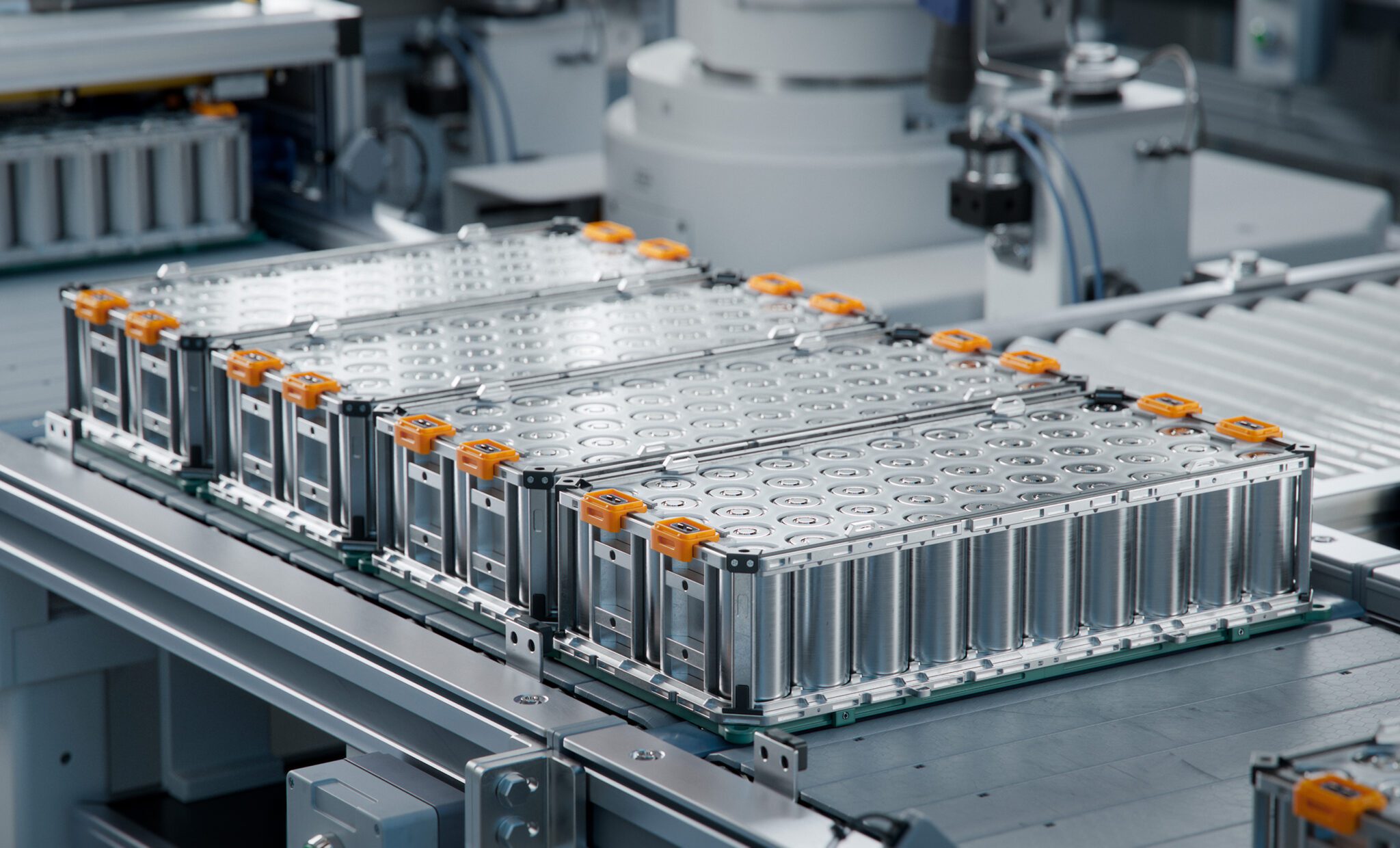
The EU’s Digital Battery Passport is about to become a compliance headache for battery manufacturers and automakers alike — and TÜV SÜD wants to sell them a way to prove they got it right. The Munich-based testing and certification group has rolled out a dedicated certification mark for the Digital Battery Passport (DBP), aimed at battery makers as well as regulators who need an independent verdict on whether a passport system actually works.
TÜV SÜD frames the opportunity as an “assurance gap”: software vendors building passport platforms have no way to demonstrate their own compliance, yet the legal liability for faulty or incomplete records lands squarely on the manufacturers. Its certification is designed to close that distance by giving carmakers that buy passport software a third-party benchmark for systems they remain legally answerable for.
The DBP is the first mandatory application of the EU’s broader Digital Product Passport concept under its ecodesign regulation, with additional product categories expected to follow the same path. Its legal foundation, Regulation (EU) 2023/1542, has applied directly across member states since 18 August 2023, replacing the earlier battery directive.
In practical terms, each passport is a living record of a battery’s origin, materials, carbon footprint, durability, recyclability and conformity status, with access rights tiered from the general public up to authorities. Those records have to stay current for the entire service life of a battery, and several data points are still waiting on delegated acts to be fully defined — a moving target that makes verification genuinely difficult.
The scope of TÜV SÜD’s certification stretches across the Battery Regulation’s passport requirements, selected ecodesign technical rules, cybersecurity, data integrity and interoperability with harmonised standards. In a statement, Christian Theeck, Business Line Manager Energy at TÜV SÜD, described the passport as far more than an IT solution, calling it a safety-critical, regulated system, and said the certification approach establishes what he termed the necessary basis of trust for the market. For automakers already juggling traceability demands and upcoming carbon accounting rules, the real question is whether third-party assurance becomes a de facto requirement or simply a competitive edge.
What do you think?