
Trump's Diesel Gambit Stumbles as EV Trucks Gain Attention
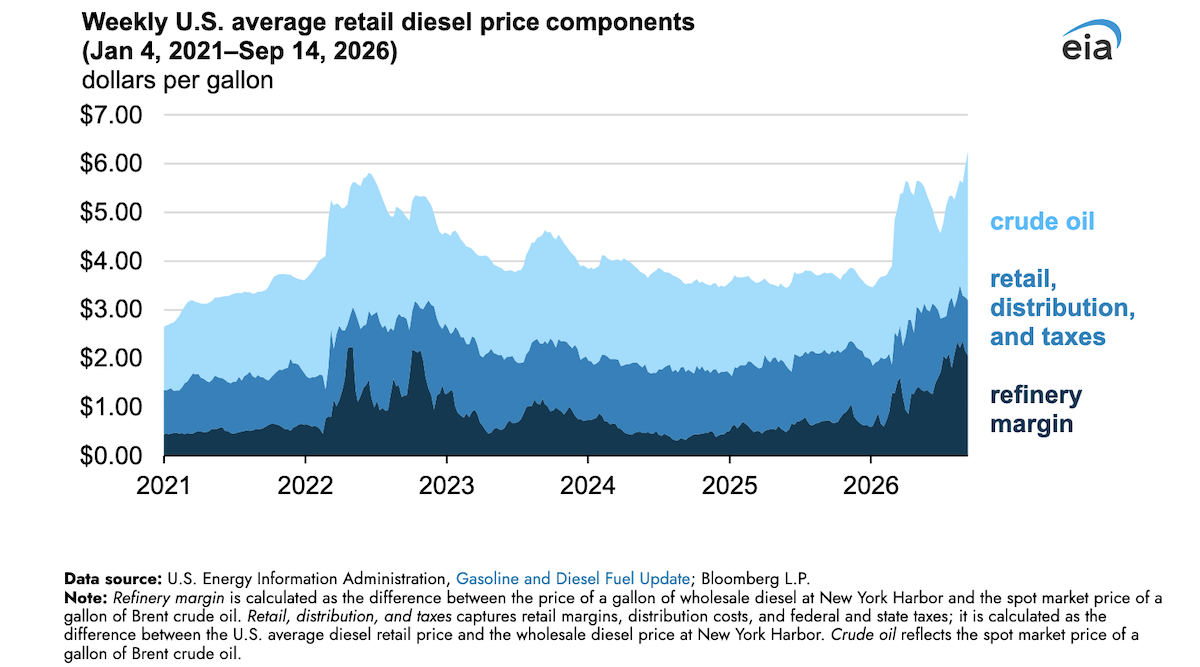
Diesel prices in the United States continue to squeeze truckers and farmers, prompting the Trump administration to explore unusual measures. The latest approach involves importing diesel from Russia, a move that has quickly drawn skepticism. According to an October 5 report from the US Energy Information Administration, average diesel prices have climbed more than $2.00 per gallon compared to last year, with most areas now seeing costs at or above $6.00 per gallon. In an attempt to offer relief, a tax waiver was ordered on October 5, allowing truckers to use red diesel—a dyed, tax-exempt fuel intended for off-road and agricultural use. However, this waiver expires on December 31, and fuel marketers warn that the temporary fix could create complications. Leftover red dye in tanks and lines can lead to steep federal penalties once the waiver lapses.
Industry groups, including the Owner-Operator Independent Drivers Association and the Nevada Trucking Association, have advised their members to proceed with caution, noting that red diesel is not an additional supply and is typically not sold at retail truck stops. Fuel marketers have also expressed doubts about the practicality of the tax holiday. As these domestic efforts stall, the administration turned to Russia. After a phone call with President Vladimir Putin on October 9, Trump announced that Russia would supply over 300,000 tons of diesel immediately, with an additional 500,000 tons in November and 1,000,000 tons thereafter. He also mentioned a potential 3 million tons more, contingent on the condition of Russian refineries. While the announcement promised record drops in diesel prices, analysts point out that the word “diesel” did not appear in Putin’s own statement following the call, raising questions about the deal’s reality.
Even if the fuel arrives, the volumes described are minimal compared to US consumption. The domestic transportation sector alone uses an average of 123 million gallons of petroleum-derived diesel per day. Political analysts suggest that the focus on diesel may be a distraction from other motivations. Meanwhile, global events continue to pressure fuel markets. The conflict with Iran, which began in February, has contributed to the price surge. Shipping disruptions in the Strait of Hormuz have led to costly shuttle relays, and recent attacks by Houthi rebels on Saudi infrastructure, including the Riyadh airport, add further instability.
Amid these challenges, electric trucks are drawing renewed interest. Although adoption has been slower in the US than in some other regions, signs of growth are emerging in the box truck and delivery vehicle segments, below the heavy-duty Class 8 category. FedEx recently placed an order for an additional 2,000 electric vehicles, signaling that fleet operators are beginning to explore alternatives. While diesel remains dominant for now, the combination of high prices and supply uncertainties is making electric options more attractive. As the administration’s diesel strategies face hurdles, the momentum behind electric trucks may continue to build.
What do you think?