
Trump EPA Delays Power Plant Emissions Reporting Again, Drawing Sierra Club Fire
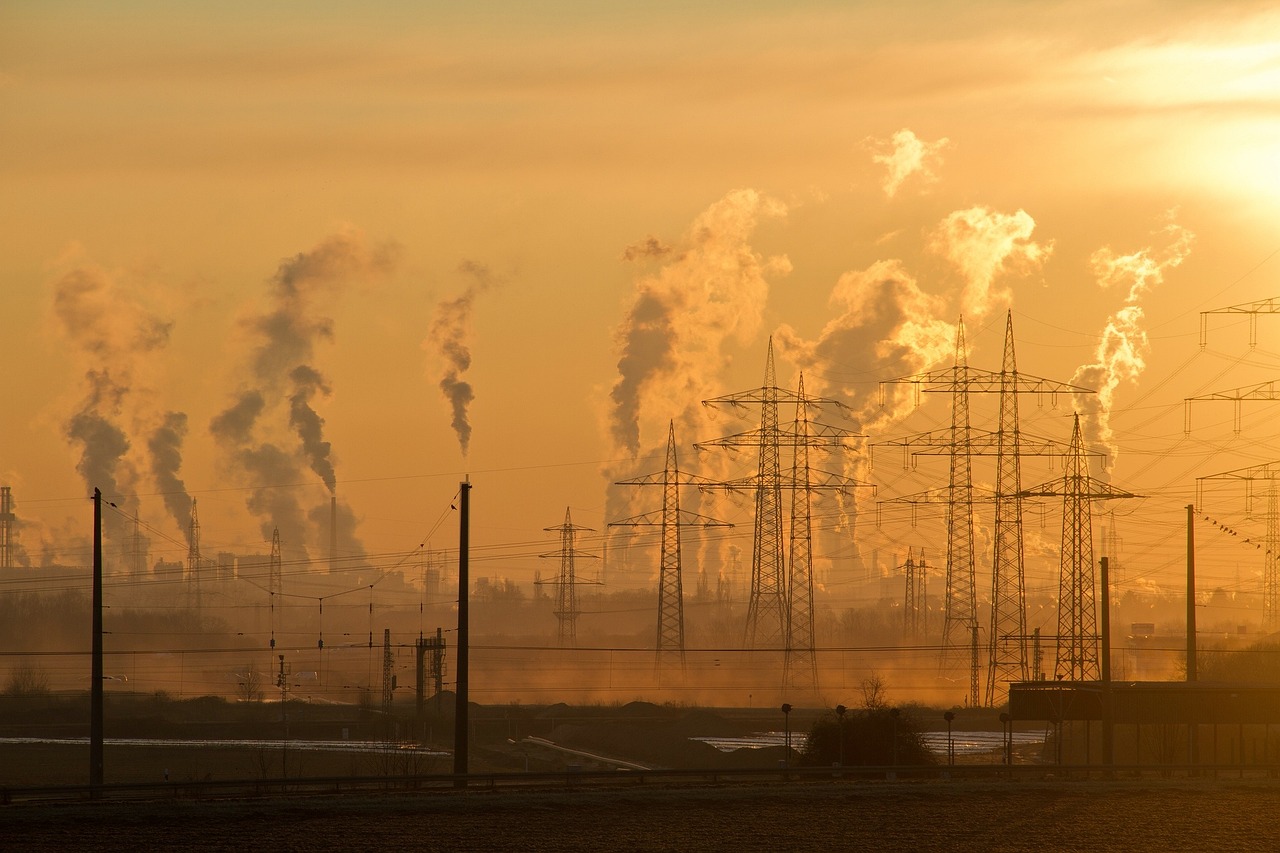
The U.S. Environmental Protection Agency has once more pushed back the window for large power producers to disclose their greenhouse gas output, a move that environmental advocates say keeps the public in the dark about pollution levels. The original reporting deadline, set for March 2026, has now been shifted to October, giving the agency time to complete a broader proposal that would scrap the reporting requirement altogether.
The delay follows a series of deregulatory steps taken by the Trump administration. In September, the White House put forward a plan to repeal the Endangerment Finding for power plants, effectively rejecting the scientific consensus that greenhouse gases pose a risk to human health, the economy, and the environment. Alongside that effort, officials have rolled back a number of safeguards targeting toxic and deadly pollutants released by power generation facilities.
Sierra Club Climate Policy Director Patrick Drupp responded sharply to the extension, arguing that fossil fuel companies have spent decades trying to dodge transparency requirements while releasing harmful emissions into air and water. He described the administration’s approach as handing industry allies a free pass, and criticized the government for undermining protections against preventable illness and extreme weather. Drupp said the Sierra Club will keep using every available tool to press large polluters to account.
The episode fits into a wider pattern of federal climate policy reversals, in which reporting obligations, emissions limits, and public health protections have been steadily weakened. For observers in the energy and transportation sectors, the question now is whether disclosure requirements survive at all — or whether utilities will operate with far less public scrutiny. The Sierra Club has signaled it intends to challenge the rollback through legal and advocacy channels, setting up a likely political and judicial fight over how much the public gets to know about power plant emissions.
While the immediate effect is procedural — a deadline moved from spring to fall — the underlying proposal could reshape how emissions data reaches regulators, researchers, and communities living near generating stations. That prospect has drawn concern from groups who rely on federal reporting to track pollution trends and hold industry accountable.
What do you think?