
Toyota Puts $1.34 Billion Into Argentine EV Plant as Chinese Rivals Circle South America
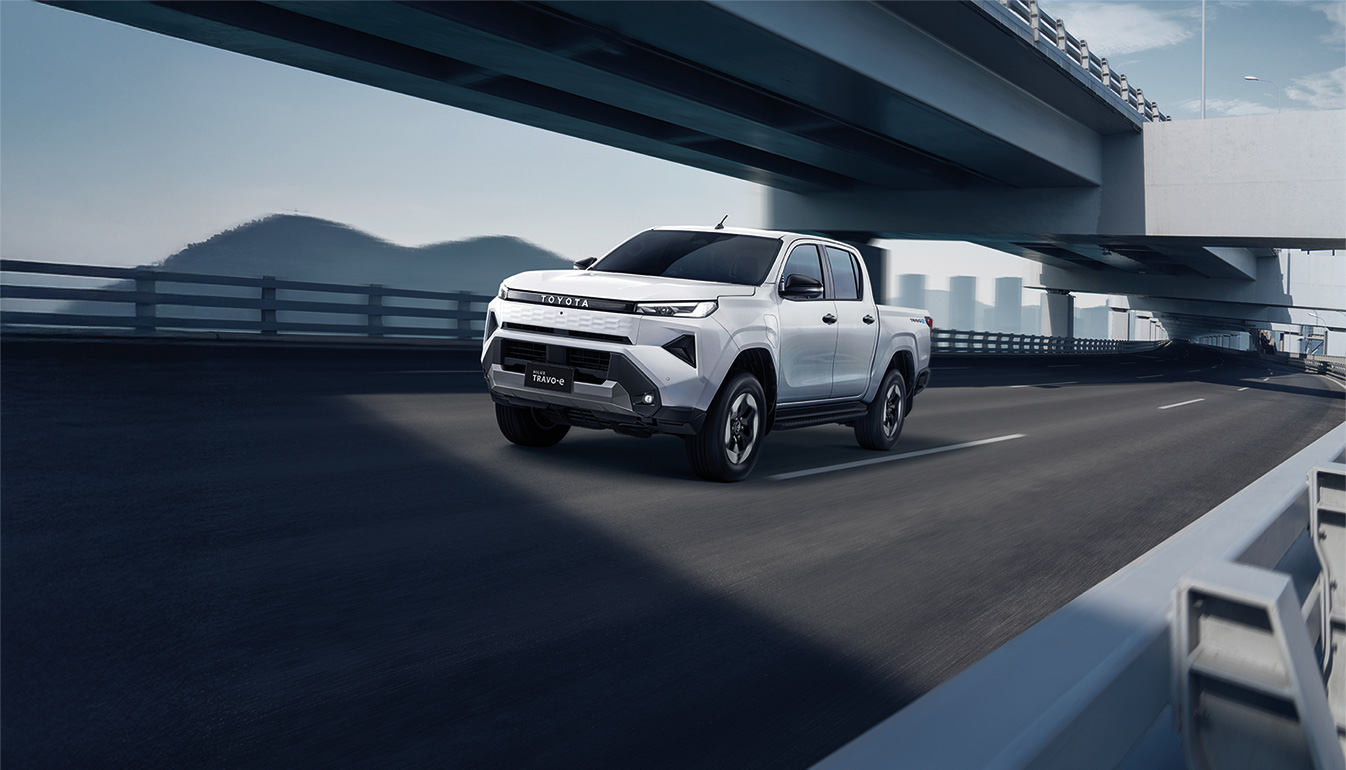
Toyota has committed US$1.34bn to a new electric vehicle manufacturing facility in Zárate, a port city on the outskirts of Buenos Aires, according to a statement published on 30 September by Argentina’s Economy Minister, Luis Caputo. In his post on the social platform X, Caputo described the project as the single largest investment ever made in the country’s automotive sector.
The plant marks a significant bet by Toyota on a region where electric vehicle uptake remains modest compared with Europe or China, and where charging infrastructure is still thin outside major cities. South America has become an increasingly contested battleground, with Chinese manufacturers moving aggressively into Brazil, Chile and beyond through competitively priced battery-electric models. Building locally gives Toyota a way to sidestep import duties and currency volatility that have long complicated vehicle pricing in Argentina.
Zárate already hosts an established Toyota manufacturing complex, making it a logical base for adding electrified production capacity. The company has not yet confirmed which models the new facility will assemble, nor when vehicles are expected to roll off the line. Automotive World has translated the minister’s remarks.
Argentina’s automotive industry is heavily export-oriented, and a Toyota EV plant could strengthen the country’s position as a manufacturing hub for the wider region. However, the project also arrives amid persistent economic uncertainty, including inflation and shifting trade policy, which has made long-term capital commitments difficult for automakers operating in the market.
The investment reflects a broader pattern: global carmakers are being pushed to localise EV production in emerging markets as Chinese competitors scale up. Whether Toyota’s Argentine gamble pays off will depend on how quickly demand for electric vehicles takes hold across South America — and how forcefully its rivals expand in the meantime.
What do you think?