
Toyoda Gosei Lands Japanese Subsidy for India Bumper Plant
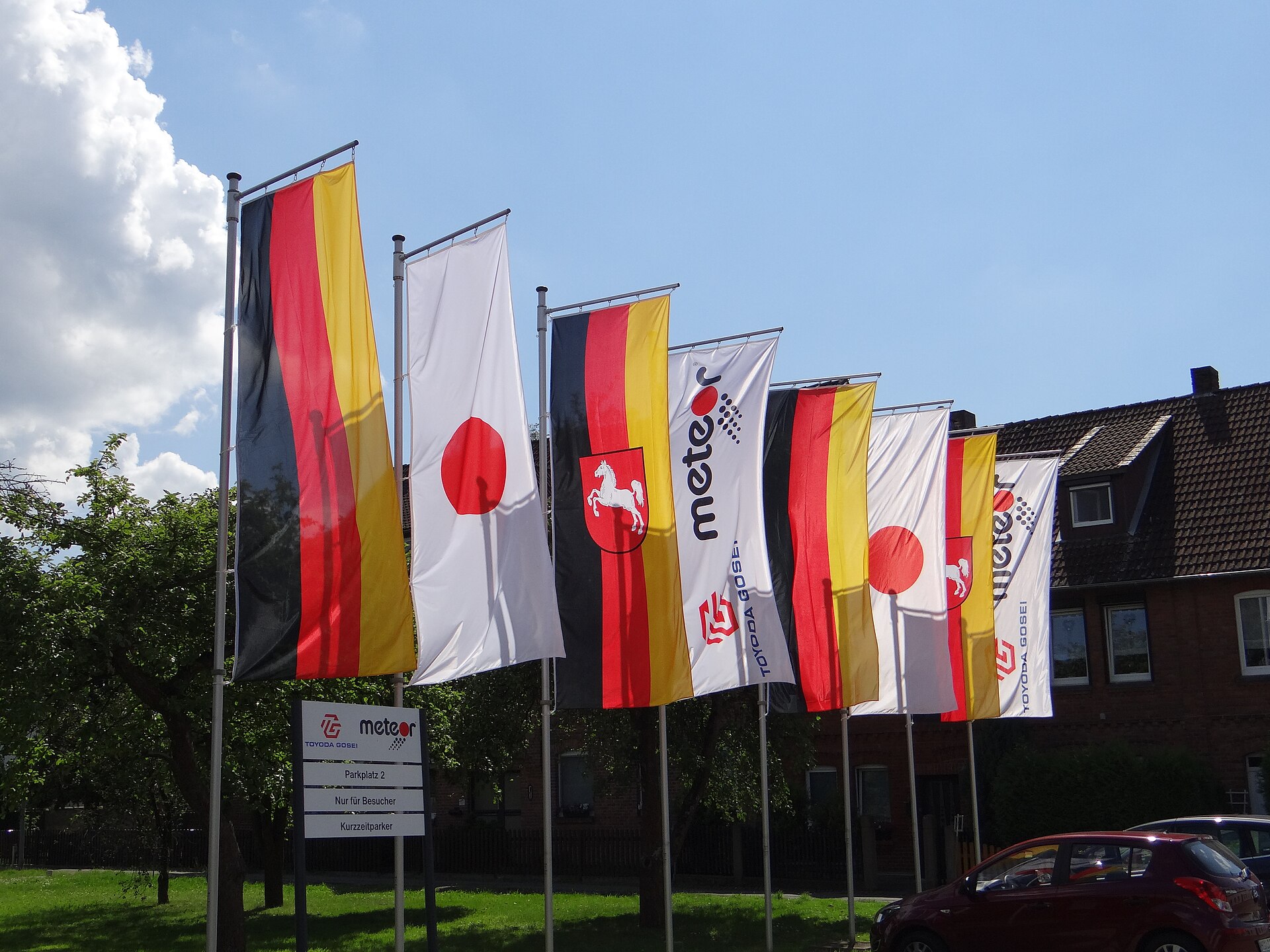
Toyoda Gosei has secured backing from Japan’s Ministry of Economy, Trade and Industry for a bumper manufacturing project in India, a move that illustrates how Tokyo is using public money to keep its automotive suppliers rooted in high-growth markets well beyond Southeast Asia. The supplier intends to run a pilot at a new facility in Maharashtra that combines just-in-sequence logistics with robotic painting, with commercial-scale operation as the end goal. Neither the size of the grant nor a launch date for the plant has been made public.
The technical heart of the project is a more efficient paint shop. Upgraded robots are designed to lift transfer efficiency — the proportion of sprayed paint that actually adheres to the bumper rather than being wasted — while digitally coordinated sequencing would feed components to vehicle assembly lines in precisely the order cars are built. That sequencing logic draws on Toyota Production System principles, where parts arrive at the line only as they are needed and in the correct build order.
For Toyoda Gosei, the subsidy helps absorb part of the heavy upfront cost of entering a market where quality expectations, wage levels and logistics strain are all climbing simultaneously. The company has framed the investment as a way to reduce paint waste, carbon dioxide emissions and manual labour at the same time, arguing the approach can be replicated rather than treated as a one-off Indian experiment.
The programme behind the award specifically targets Japanese firms operating in emerging economies of the so-called Global South, using demonstration projects as a tool to strengthen commercial ties. It also covers work that stays at home: Toyoda Gosei says jobs in equipment design and digital systems development in Japan stand to gain from the project.
Looking further ahead, the supplier wants to export the production model to other regions, spreading lower-emission manufacturing methods across Japan’s wider parts industry. That ambition turns a single bumper plant into something closer to a template — one that could shape how Japanese component makers approach automation and environmental performance in cost-sensitive markets. Industry watchers will be looking for the details Toyoda Gosei has so far kept quiet: the value of the subsidy and the timeline for getting Maharashtra’s lines running.
What do you think?