
Totaled EVs Are Not Always at the End of Their Road
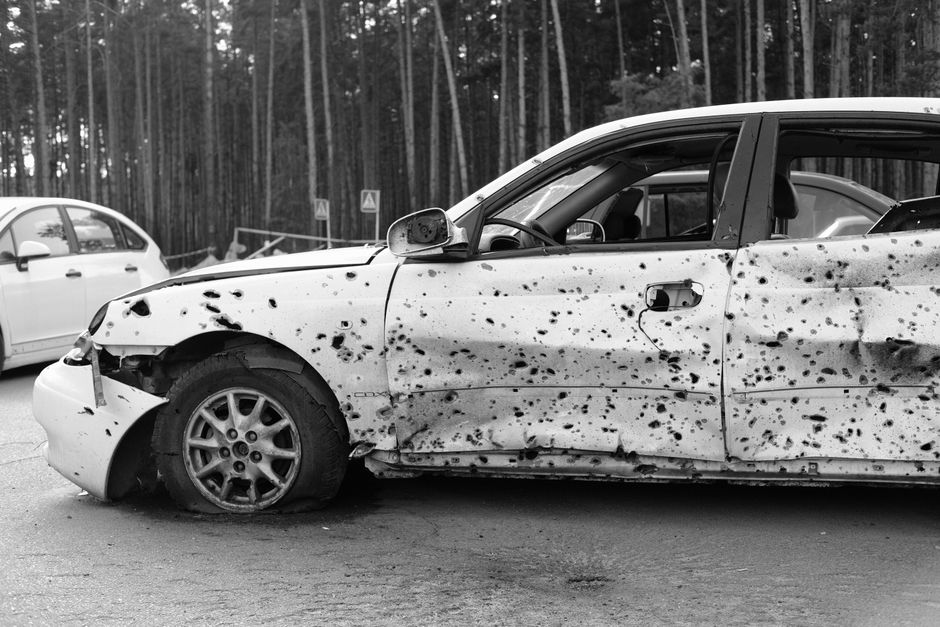
When an electric vehicle is involved in a collision, insurance companies often declare it a total loss based on repair costs compared to the car’s value. However, this decision doesn’t necessarily mean the EV is beyond saving. In many cases, the damage is limited to cosmetic or minor structural areas, while the battery and electric drivetrain remain fully functional. This creates opportunities for parts recovery, repair, and reuse, extending the vehicle’s useful life beyond its initial incident.
The reason a car is totaled isn’t always about safety or functionality; it’s often purely financial. If the cost to repair exceeds a certain percentage of the vehicle’s worth, insurers prefer to pay out the value instead. For EVs, the high cost of replacement batteries can skew this equation, making an otherwise repairable vehicle seem uneconomical. Yet, with the growing market for used EV parts and specialized repair shops, these vehicles can be brought back to life, often at a fraction of the original price.
For owners, this means it’s worth getting a second opinion before accepting a total loss settlement. Independent EV specialists can sometimes fix what insurance adjusters deem too expensive. Additionally, salvaged EVs can serve as valuable sources of batteries for home energy storage or other projects. The key takeaway is that a totaled EV doesn’t have to be the end—it could be the start of a second life, whether on the road or as a power resource.
What do you think?