
The Sweet Story of Hershey's Electrified Sugar Railway in Cuba
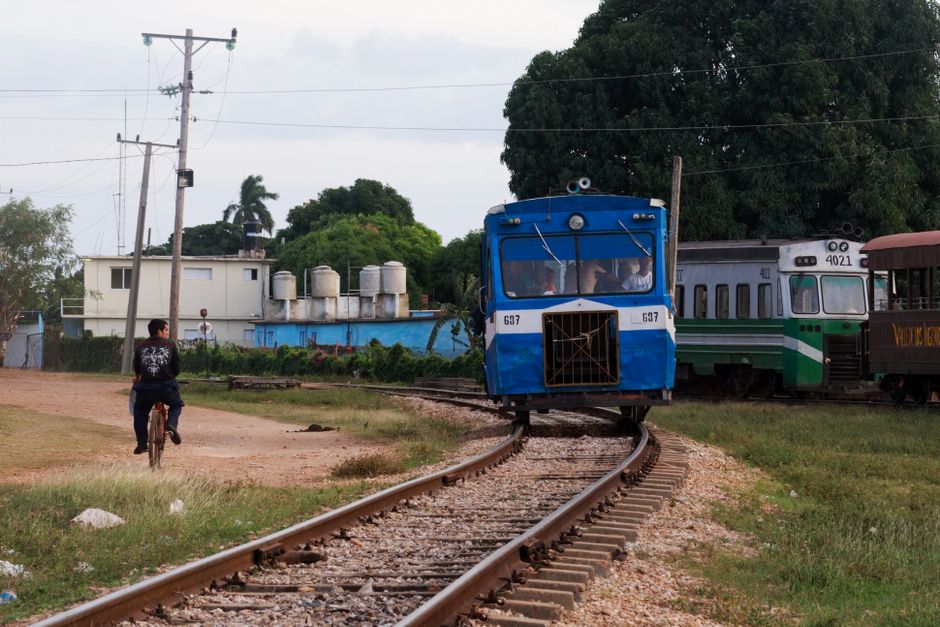
Most people know Milton Hershey as the man behind the famous chocolate bar, but few realize he also built an electric railway in Cuba. It all started with a sugar shortage during World War I. Hershey needed a steady supply of sugar for his booming chocolate company, and he wanted to bypass the American Sugar Refining Co.’s near-monopoly. So, in 1916, he set his sights on Cuba, a country he reportedly adored. With the protection of the Platt Amendment, he invested heavily in the island’s sugar industry, eventually owning plantations, mills, and even entire company towns.
To move sugarcane efficiently, Hershey built a railway. Initially, it ran on steam, but by 1920, he electrified the line, making it Cuba’s first electric train. The system was powered by a new oil-fired plant that also supplied electricity to nearby towns. At its peak, the railway transported vast amounts of cane to the mills, ensuring they operated non-stop during harvest season.
Hershey’s Cuban ventures were more than just business; they reflected his paternalistic vision. He created company towns like Central Hershey, modeled after his Pennsylvania home, complete with workers’ housing, schools, and recreational facilities. However, his legacy in Cuba is complex, as he opposed unions and relied on cheap migrant labor, echoing the broader patterns of U.S. economic imperialism.
The railway continued to operate for decades, even after the 1959 Cuban Revolution, but time has not been kind. By the 2010s, service had dwindled to just two trips per day, and chronic power outages often left passengers stranded. A 2024 analysis questioned the feasibility of reviving the line, citing persistent infrastructure issues and frequent blackouts. Today, the future of Hershey’s electric railway remains uncertain, leaving a piece of history waiting for a possible rebirth.
What do you think?