
The Coming Negative Value of Gasoline Cars: A Five-Year Outlook
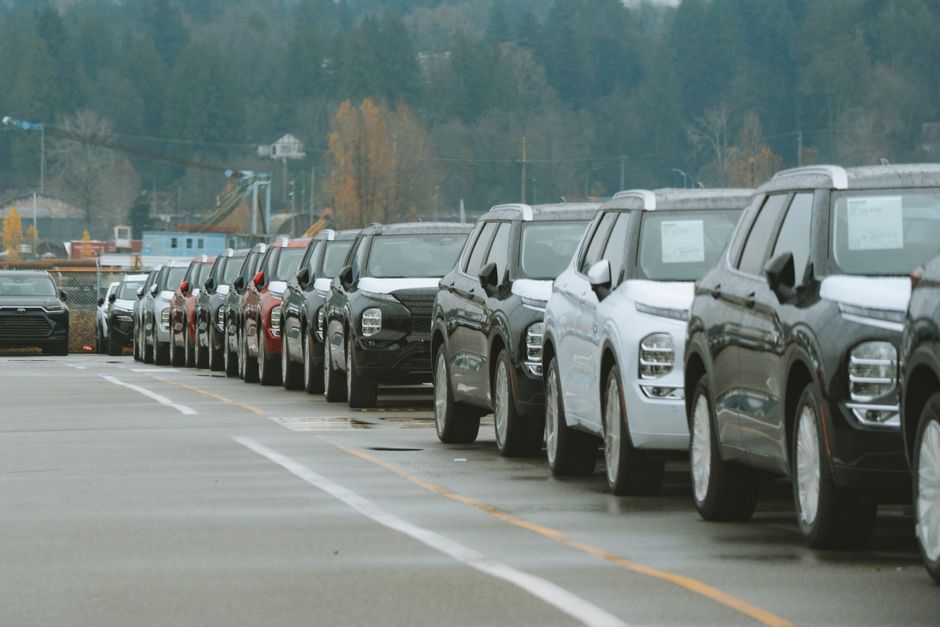
What happens when an internal combustion engine vehicle becomes not just cheap, but a liability? This is a question that will define the used car market over the next few years. As the shift to electric vehicles accelerates, the value of conventional gasoline and diesel cars could fall to zero or even negative, meaning owners might have to pay to get rid of them. This is not a prediction about your local dealership in the near term, but a broader trend that could reshape transportation economics by the early 2030s.
The concept of a “stranded asset” is familiar from the energy sector, where investments become obsolete before they are fully utilized. Now, the same logic applies to personal vehicles. With falling battery prices, expanding charging infrastructure, and tightening emissions regulations, the total cost of owning an EV is becoming lower than that of a gas car. As a result, the residual value of gasoline cars is set to plummet, and soon they may be worth less than the cost of maintaining them for their remaining useful life.
This shift has profound implications for consumers, dealers, and policymakers. For individuals, it means that holding onto a gas car could become an expensive choice, as repair costs outpace the car’s market value. For dealerships, it may require new business models to handle inventory that nobody wants, perhaps including recycling programs or export markets. For cities and governments, it underscores the urgency of supporting a just transition that doesn’t leave lower-income drivers stranded with depreciating assets.
What do you think?