
Tesla Wins First-Ever Highway Charging Contract in South Korea, Adding 21 Supercharger Sites
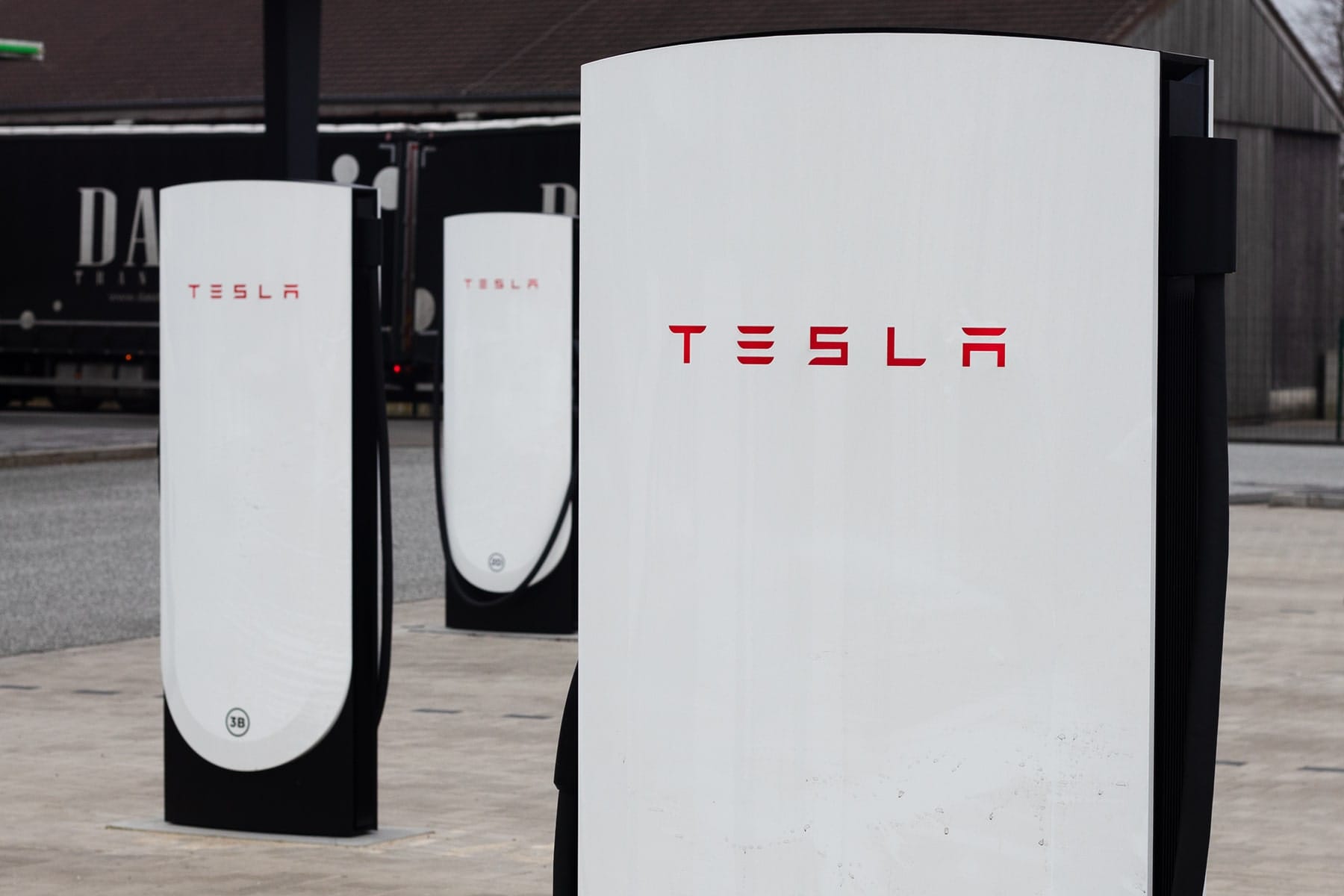
Tesla’s charging footprint in South Korea is set to grow substantially after the company secured a slice of a state-organized highway charging programme for the first time. The Korea Expressway Corporation’s 2026 infrastructure tender will see new fast-charging locations built at 21 highway service areas, marking a notable breakthrough for the US automaker in a market where public charging has largely been handled by domestic operators.
The new sites are spread across service areas serving Seoul, Yongin, Gangneung, Gyeongju and Andong, among other locations, and in some cases each direction of a rest stop is counted as a separate facility. Tesla has not committed to opening dates, and the company says the sites are either already under construction or still in the planning stage. The brand currently runs roughly 180 Supercharger locations in South Korea, together offering more than 1,200 charging points, so the additions represent a meaningful densification of its long-distance coverage.
Tesla competed in the tender alongside South Korean charging operator GS ChargeBee, and its participation in a government-run highway programme is a first. The wider scheme aims to place 392 charging points across 91 service areas, with the winning operators responsible for installing the equipment and then maintaining it over a ten-year period. How many plugs will land at each of the 21 Tesla sites, and what power output they will deliver, has not been disclosed.
Rivalry on the country’s motorways is heating up in parallel. Domestic operator Chaevi also won a 2026 contract from the Korea Expressway Corporation and intends to install 131 fast chargers at 29 service areas, 82 of which will carry NACS connectors. That detail matters for Tesla drivers, since it expands the pool of public charging points they can use without reaching for a CCS1 adapter.
The expansion lands as South Korea’s EV market surges. Government figures put battery-electric sales in the first five months of 2026 at just over 162,000 units, up 125 per cent year-on-year, and the boom even prompted summer debate over topping up the budget for EV incentives. Tesla has capitalised on the momentum: the Model Y briefly topped the country’s monthly sales charts in 2026, and the brand has become one of the strongest import names in the market. Globally, the company is expanding from a steadier base, having built about 464,000 vehicles and delivered just over 486,000 in the third quarter of 2026, with the Model 3 and Model Y still accounting for the bulk of volume.
What do you think?