
Tesla Taps Turo to Put FSD Behind the Wheel of Rental Cars
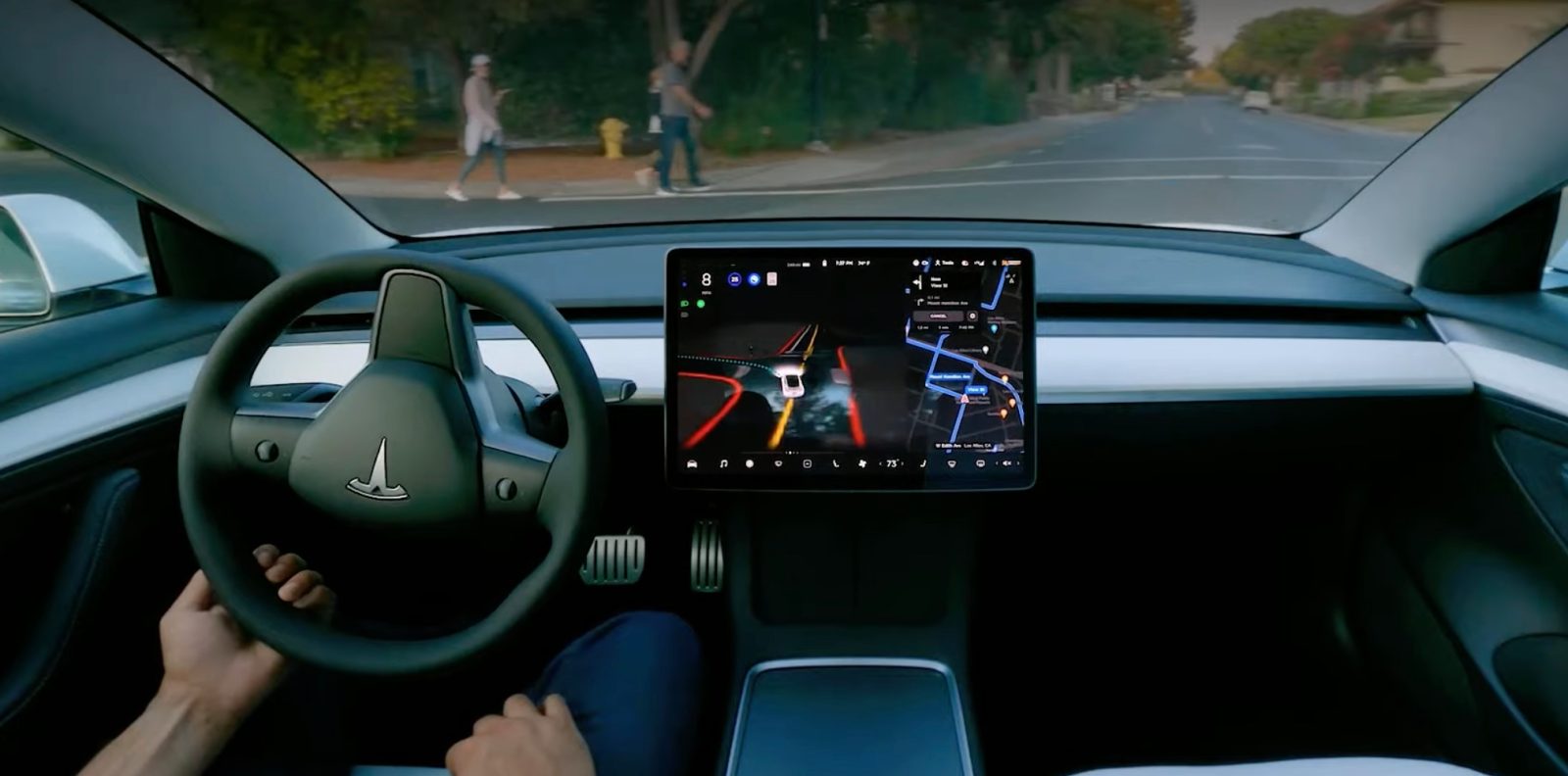
Tesla is handing the keys to its driver-assistance software to the rental market. Starting October 28, Turo users in the United States can filter listings specifically for Teslas that have Full Self-Driving (Supervised) switched on — a status the platform confirms directly through a Tesla API integration rather than taking a host’s word for it.
The move gives people who have never owned a Tesla a chance to spend a weekend with FSD. It also hands Tesla a fresh funnel of potential subscribers at a moment when the company is under real pressure to grow that number.
How the filter actually works
Hosts connect their Tesla account to Turo. The platform then reads the vehicle’s FSD status through the API, and qualifying cars get a badge plus a search filter for guests.
Turo says thousands of FSD-equipped Teslas are already on the platform. That tracks — the Model 3 and Model Y ranked third and fourth among the most-booked vehicles on Turo this year.
Hosts who qualify in the US also receive a complimentary month of FSD (Supervised). After that, the standard $99 per month subscription kicks in, an expense hosts will presumably try to fold into their daily pricing. Whether FSD cars command a premium rate is something Turo hasn’t disclosed.
CEO Andre Haddad framed it as an “industry-first integration with Tesla,” adding that most travelers have had few chances to sample driver-assistance tech even though demand is clearly there.
“Industry-first” is a stretch. Tesla has been renting out its own FSD-enabled cars in Southern California since last year. What’s new is verified FSD status on a third-party marketplace with a far larger fleet spread across far more cities.
The subscription math behind the push
Tesla stopped selling FSD outright in February and went subscription-only. Since then it has been chasing trial sign-ups hard, including a free year of FSD with new Model 3 and Model Y orders.
The urgency has a number attached. Tesla reported 1.74 million active FSD subscriptions in Q3 — a figure it began disclosing only because Elon Musk’s 2025 CEO Performance Award is tied to it. One milestone in that package is 10 million. At the last quarter’s pace, closing that gap would take roughly eight more years.
The Subscription Numbers: 1.74 million active FSD subscriptions in Q3 · 10 million is the CEO award milestone · $99 per month standard rate
Free trials don’t count toward the tally. Paid subscriptions do. So every Turo host who keeps paying past month one adds to the total, and every renter who likes the experience becomes a candidate for a subscription later.
Marketing language versus a Level 2 system
Turo’s announcement leans on “self-driving” and “driverless” phrasing. It cites internal research claiming 55% of Americans are interested in driverless technology for travel, rising to 71% among Gen Z, with more than a fifth of those willing to sit through seven-plus hours in such a car.
FSD (Supervised) is not driverless. It’s a Level 2 assistance system, and the driver stays responsible at all times. Haddad himself calls it “driver’s assistance technology” in the very same release.
That gap matters here. Renters will climb into an unfamiliar car running a system they’ve probably never touched. Turo’s only safeguard is a suggestion that guests read Tesla’s FSD documentation and safety guidance before pickup. That’s the whole of it.
The risk isn’t theoretical. Two weeks ago a driver told the California Highway Patrol he was asleep with FSD engaged when his Tesla struck a patrol vehicle inside a lane closure in Fairfield; two officers were seriously hurt.
Turo also hasn’t said who bears liability when a guest crashes with FSD active — the renter, the host, or the platform’s protection plan.
What would make this safer
A short in-app walkthrough before a guest can activate FSD seems like the bare minimum, along with liability spelled out in plain terms up front. Tesla, which collects the subscription revenue, has just as much reason to want that as Turo does.
Strip away the marketing and this is a modest version of the old “Tesla Network” idea — owners renting their cars out for rides, a concept Musk has been promising since 2016. It’s late, and it arrives supervised. But a multi-day road trip is a far better demonstration of FSD than a fifteen-minute loop around the block with a sales advisor.
Source: Electrek
What do you think?