
Tesla Pivots to Autonomy as Vehicle Sales Lose Momentum
Tesla is openly repositioning itself. After surrendering its long-held title as the world’s top electric vehicle seller, the company now wants to be judged less as a carmaker and more as a software and AI business. Its chosen path to that future: autonomy subscriptions.
The idea is straightforward enough. Instead of relying on one-off vehicle sales — a business with thin, cyclical margins — Tesla hopes recurring software revenue can carry the financial weight that hardware no longer can.
A Stunt That Made Headlines, A Merger That Made Sense
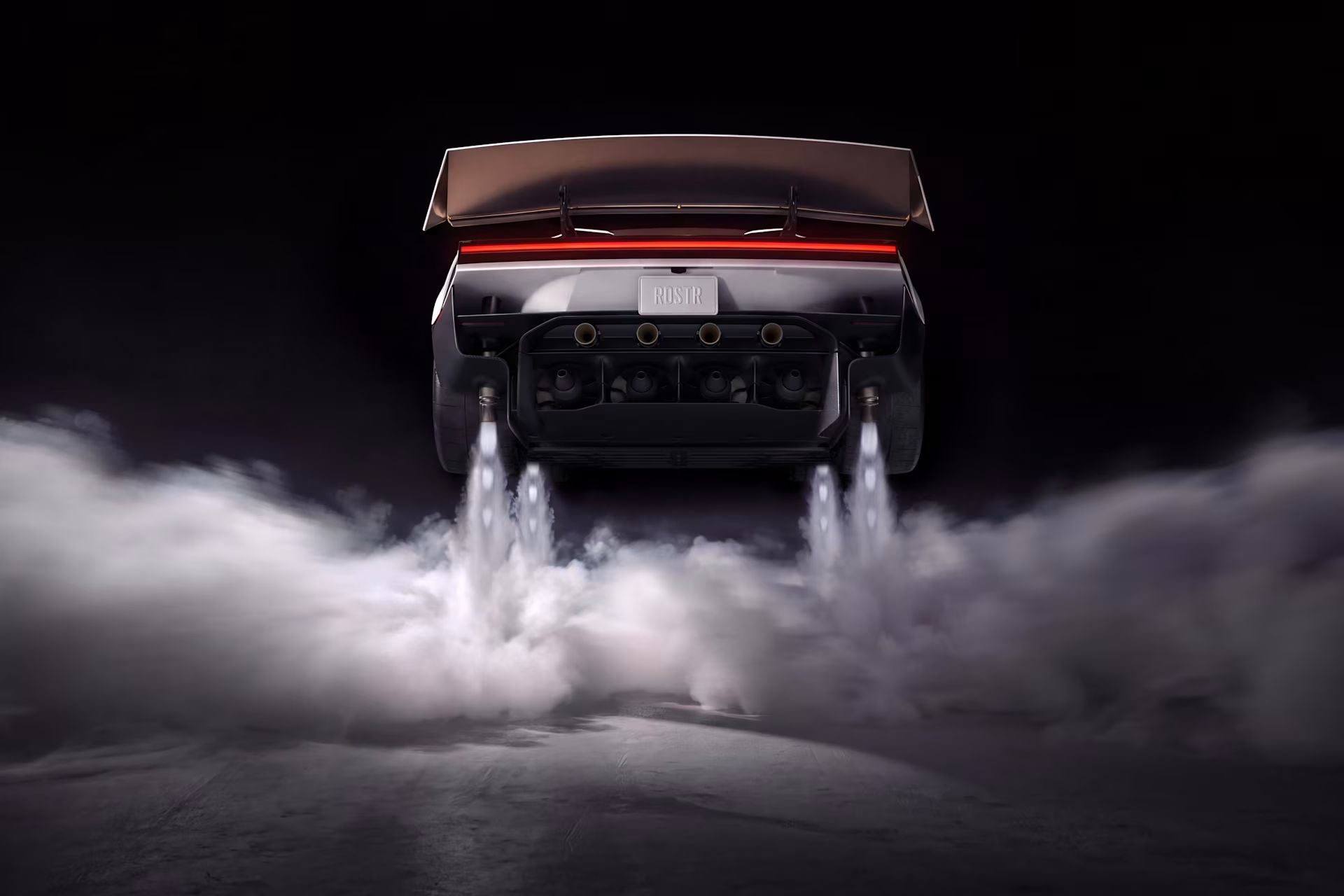
The strategic pivot follows a month of spectacle. Elon Musk’s much-hyped “flying” Roadster performed airborne maneuvers driven by compressed-gas thrusters built by SpaceX, generating enormous attention online.
Five days later, Musk confirmed that SpaceX and Tesla were examining a possible combination. According to him, bringing the two companies together could speed up the push into autonomous driving.
The Real Target: Tesla wants recurring software and AI revenue to replace what vehicle sales alone can no longer deliver.
That sequence — publicity first, structural moves shortly after — says plenty about how Musk is framing the next chapter. The theatrics draw eyes, but the merger talk points to where the actual leverage sits.
Why the Industry Is Watching Closely
Tesla isn’t alone in chasing this shift. Automakers across the board are under pressure from increasingly competitive Chinese manufacturers, and many are rethinking business models built almost entirely around selling cars.
Software, subscriptions and AI-driven services offer something traditional manufacturing struggles to match: predictable income that keeps arriving after the vehicle leaves the lot. The appeal is obvious, even if nobody has quite cracked the formula yet.
- The problem: Vehicle sales bring shrinking margins and heavy exposure to economic cycles.
- The pitch: Autonomy features sold as subscriptions generate repeat revenue with far lower overhead.
- The hurdle: Customers have to be convinced the software is worth paying for, month after month.
A Race With No Clear Leader Yet
The technology remains far from settled, and regulatory approval for higher levels of autonomy varies widely by market. Tesla is betting that its software stack and data advantage put it ahead, though rivals are investing heavily to close the gap.
What’s clear is that the contest has changed shape. Being the biggest EV producer no longer guarantees the strongest position — and Tesla, having lost that crown, is now trying to redefine what winning looks like. Whether subscription autonomy becomes the profit engine Musk envisions is the question the entire industry is waiting to see answered.
Source: Ars Technica - Cars
What do you think?