
Tesla Takes Hands-Off Automation to the Extreme at Its New Semi Plant
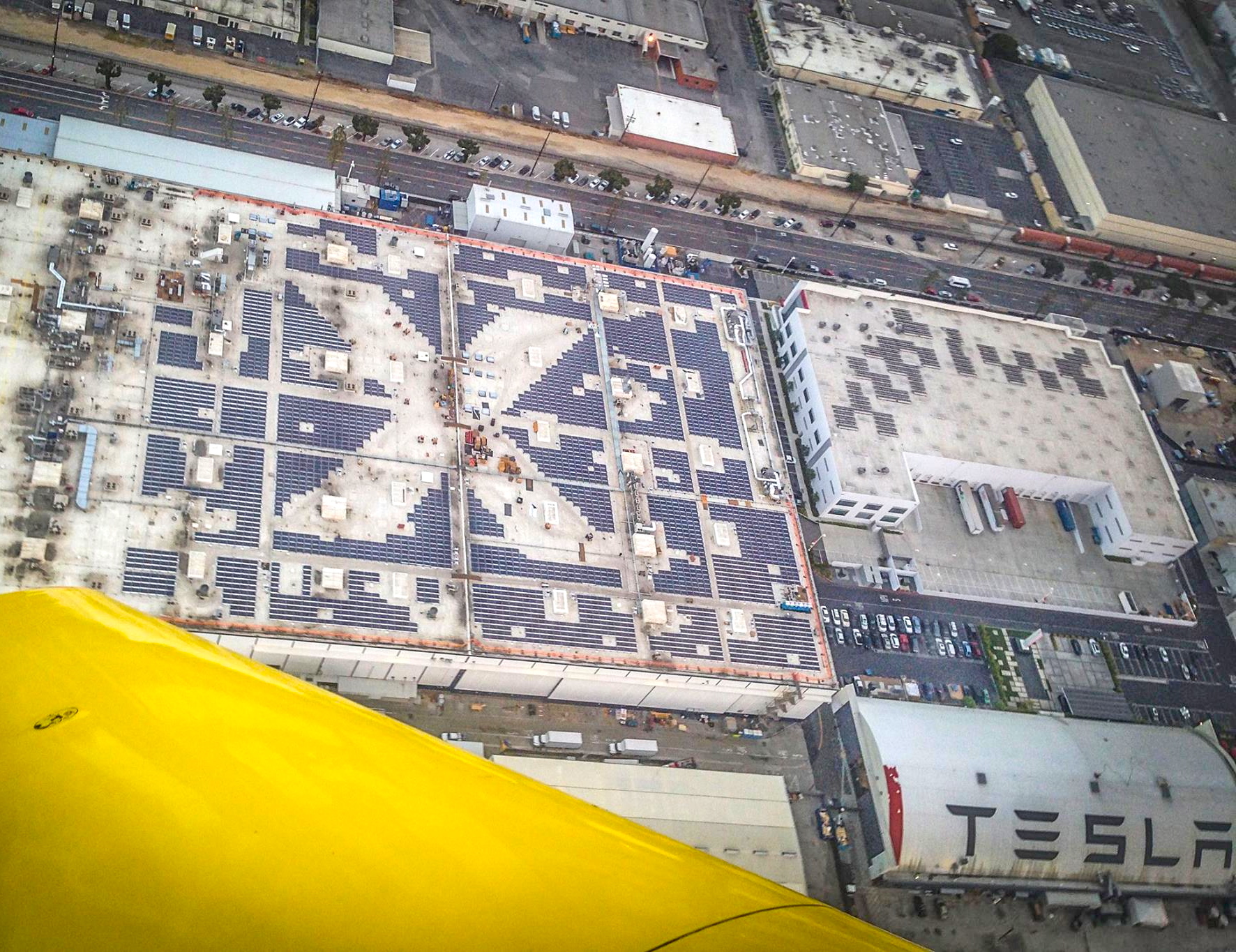
Tesla is pushing automation further than it has before at the Nevada facility where its all-electric Semi is now being built at scale. The company’s stated aim is a production chain with virtually no manual handling at any stage.
At the heart of the plan is the 4680 battery cell. After a redesign that spanned roughly four years, Tesla swapped the Semi’s earlier 2170 cells for the larger in-house 4680 format produced in Austin. The switch trims battery mass and total energy use while preserving driving range — a change Tesla frames as essential to making high-volume output feasible. Those cells are hauled to Nevada by trailer, where a dedicated line is meant to unload, position and feed them directly into pack and vehicle assembly.
Executives Lars Moravy and Dan Priestley described the objective as a ‘zero human touch point’ flow stretching from the moment a trailer arrives in Texas until a completed truck rolls off the line in Nevada. Automation extends well beyond cell handling: the plant relies on what Tesla calls the highest-capacity electric monorail conveyance used in vehicle manufacturing, handles body-in-white structures simultaneously, and substitutes powder-coating for traditional paint. Many tasks that would ordinarily need an operator have simply been engineered out.
The new Sparks site covers 1.8 million square feet beside Gigafactory Nevada and is sized for up to 50,000 trucks annually. Output is expected to build gradually following the first vehicles off the line in April 2026, with PepsiCo, DHL and U.S. Foods among early customers. The Semi also shares a bar-wound stator and other parts with the Cybertruck, tying Tesla’s commercial and passenger programs closer together. How fully the hands-off standard holds up will become clearer as volumes rise.
What do you think?