
Tesla–SpaceX Merger Talk: Readers Ask What's Actually in It for Anyone
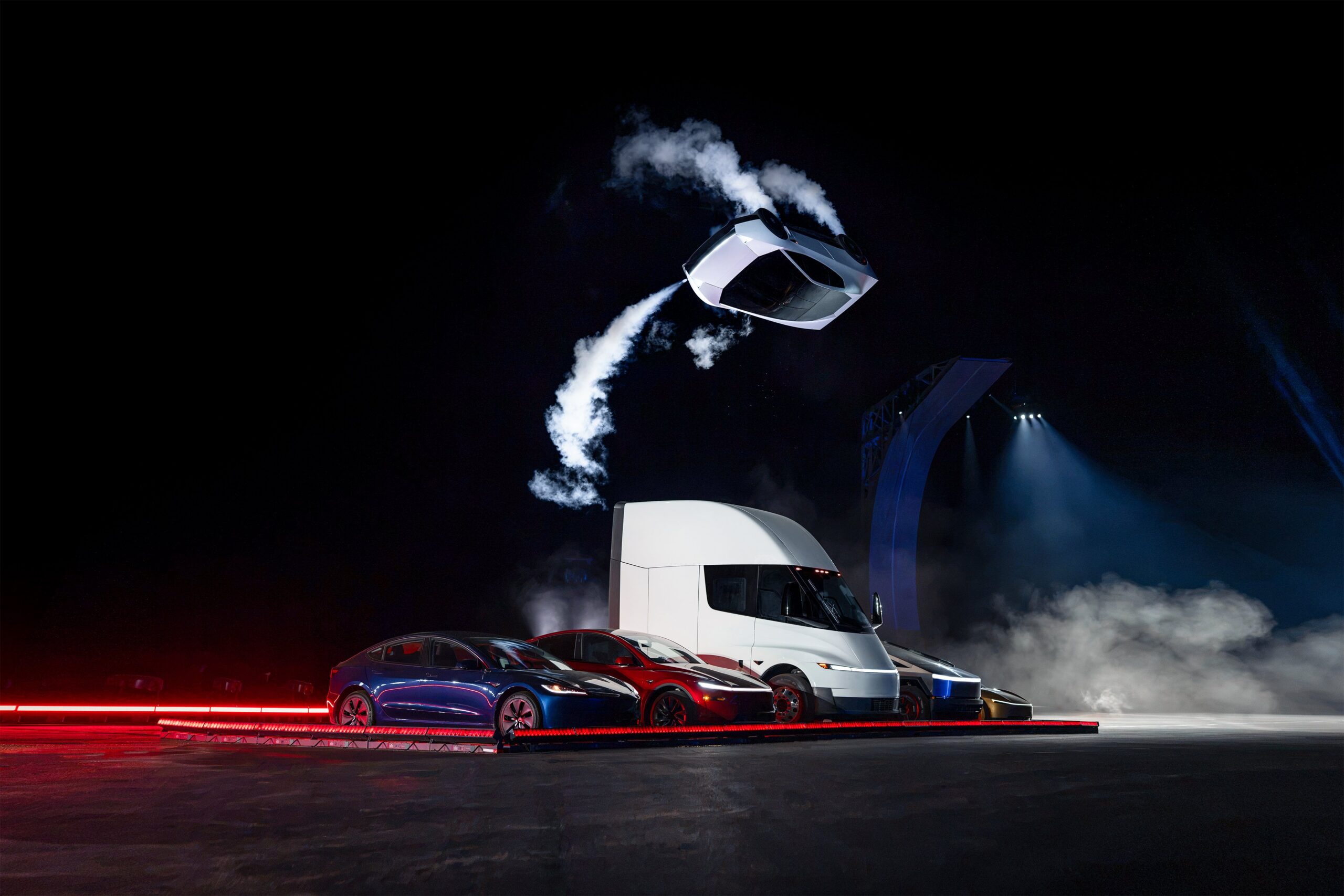
The idea that Tesla and SpaceX could end up under one roof has moved from fringe speculation to something resembling conventional wisdom. Elon Musk has publicly backed the notion, and reporting suggests plenty of behind-the-scenes work has gone into exploring it. What nobody has answered convincingly is the simplest question of all: why?
That gap is where readers jumped in after our latest piece on the subject. Their responses ranged from dry skepticism to outright alarm, and a few of them are worth airing on their own.
Mark Turner put it in one line: Musk enjoys rearranging the board. A fresh corporate story is easier to sell and much harder to audit. Matthew2312 followed a similar thread, arguing the maneuver looks like a last-ditch effort to prop up Tesla’s share price while its robotaxi, vehicle sales, solar, semiconductor and robotics targets remain far out of reach. Great for Tesla holders, he wrote. Terrible for SpaceX holders. And who exactly gets a say?
The Control Question
Perhaps the sharpest angle came from a reader posting as Defendor, who skipped the financials and went straight to governance. Tesla shareholders still hold ordinary votes that count roughly as much as Musk’s, meaning a theoretical check exists on his decisions. SpaceX reportedly concentrates insider voting power to a far greater degree — enough that public shareholders are effectively spectators. Fold Tesla into that structure, the argument goes, and the last meaningful constraint disappears.
freedomev saw a bailout in disguise, with SpaceX absorbing an overvalued Tesla the way it previously took on X, Musk’s AI interests and a fleet of Cybertrucks. The reader pegged Tesla’s underlying worth at a fraction of its market cap once valued like a normal automaker.
Nathan Canolee framed the whole thing as insurance. SpaceX holds major government contracts and is judged too strategic to fail, so a combined entity would leave taxpayers holding the risk while Musk captures the upside.
Not Everyone Is Gloomy
Ole Laursen offered the most constructive case. Tesla is standing up a large AI chip fab, he noted, and SpaceX wants to build a vast data center in orbit. Merger chatter intensified, he says, right around the time that link became obvious, and he credited Musk with turning a struggling AI division into something notably profitable in short order.
Dan Allard pushed back hard on the profit claim, pointing out that Grok and the broader xAI operation bring in real revenue but burn through enormous capital and infrastructure spending. Those outfits run at a loss today. With open questions about an AI bubble hanging over the sector, that matters — hardware suppliers like the chip fab tend to feel the pain when the software side wobbles.
And Matt Fulkerson, for his part, saw no industrial logic whatsoever. A Model 3 or a Roadster shares nothing with a rocket company. His conclusion was blunt: let Musk do as he pleases, then watch the pyramid come down.
Where this lands is anyone’s guess. The speculation has momentum, Musk is on board, and the mechanics of a deal — if one ever materializes — remain publicly unexplained.
Source: CleanTechnica
What do you think?