
Tesla's Robotaxi Curfew Exposes a Sensor Bet That's Getting Harder to Defend
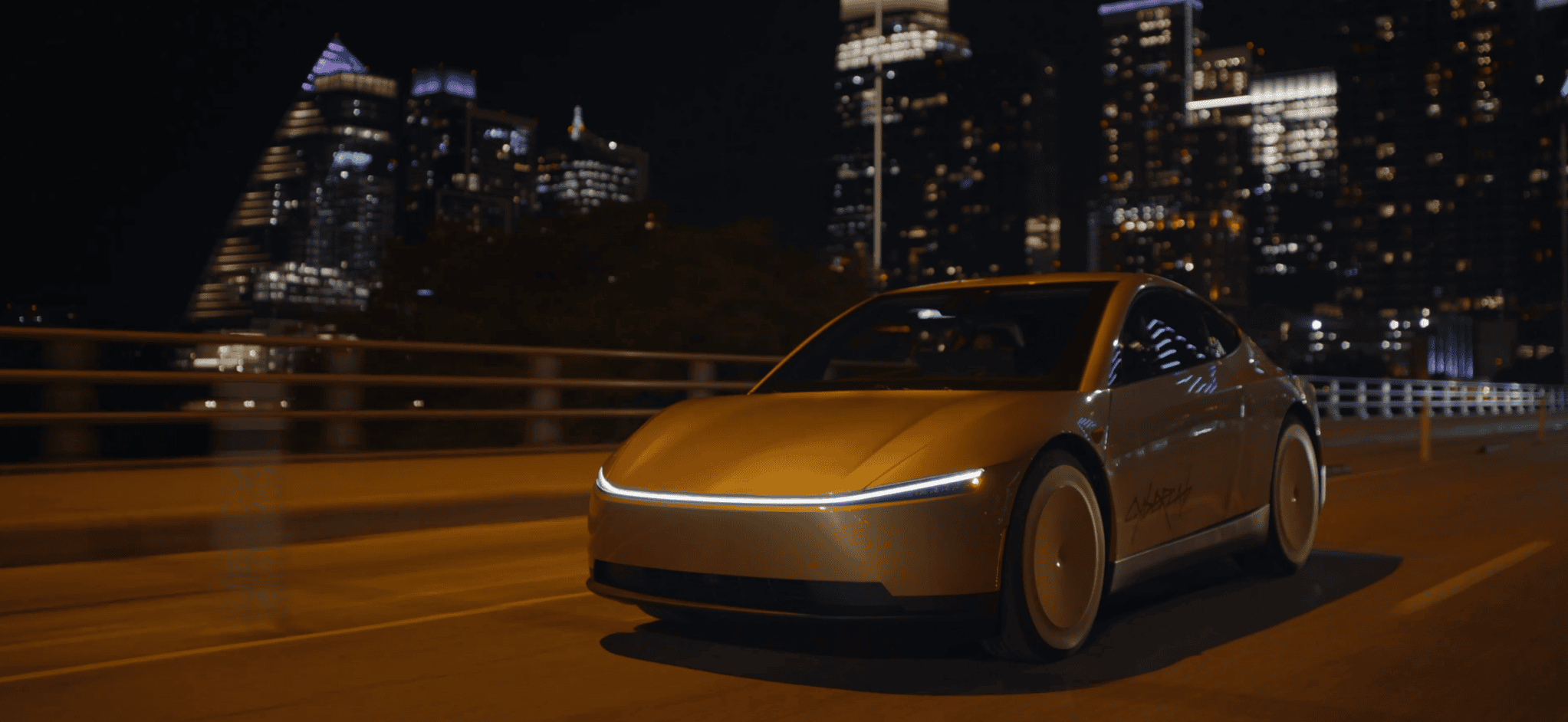
Tesla has pushed the closing time of its Austin robotaxi service back by an hour, to 11pm, but the reason it can’t run even later is drawing more attention than the extension itself. According to Chief Executive Elon Musk, the hardest problem his vehicles face after dark is spotting animals small enough and low-contrast enough to blend into the road surface. A pet on dark asphalt in dim light, he suggested, remains a genuinely difficult detection case.
That framing is awkward for Tesla, because low-light, low-contrast detection is precisely the scenario that LiDAR and radar were built to handle. Musk has spent years arguing the opposite: that camera-only perception is sufficient and that adding those sensors is an expensive dead end. He has called LiDAR a wasted effort, and as recently as May he pointed to the company’s own camera imagery as proof that its software handles night driving and harsh glare well. His more recent posts have leaned on the idea that a sufficiently advanced AI can extract usable information from very few photons.
The competitive picture has shifted under that argument. Cameras depend on reflected light and contrast, while LiDAR generates its own laser pulses and reconstructs an object’s three-dimensional shape regardless of available light. Radar, meanwhile, keeps functioning through fog and glare. Waymo’s sixth-generation hardware combines 13 cameras, four LiDAR units and six radars, and its fleet — now past 4,000 driverless vehicles — operates around the clock. Waymo Co-Chief Executive Dmitri Dolgov has argued that camera-only safety curves flatten out well before reaching the reliability a commercial product demands.
There are also timing problems with the curfew explanation. Austin’s sunset in October arrives shortly after 7pm, meaning the service already runs for hours in darkness — and Tesla customers use the same camera-based software at any hour they choose. The cost case for skipping LiDAR is eroding too: Rivian said this week that the sensor now adds only a few hundred dollars per vehicle.
Regulators are asking the same questions. NHTSA is investigating roughly 3.2 million Teslas over Full Self-Driving crashes in poor visibility, and investigators have requested an internal Tesla document titled “Radar Saves Us.” A separate inquiry is examining whether the control-less Cybercab can legally be deployed, since Tesla — unlike rival Zoox — did not seek an exemption. No sensor suite eliminates incidents entirely; a Waymo vehicle struck and killed a cat in San Francisco during a late-night drive in 2025. But by describing the limitation in his critics’ terms, Musk has turned the robotaxi schedule into a public benchmark — and every extra hour Tesla adds now stands as a safety claim regulators can test.
What do you think?