
Tesla Opens Powershare Home Backup to Model 3 and Model Y Owners in the US
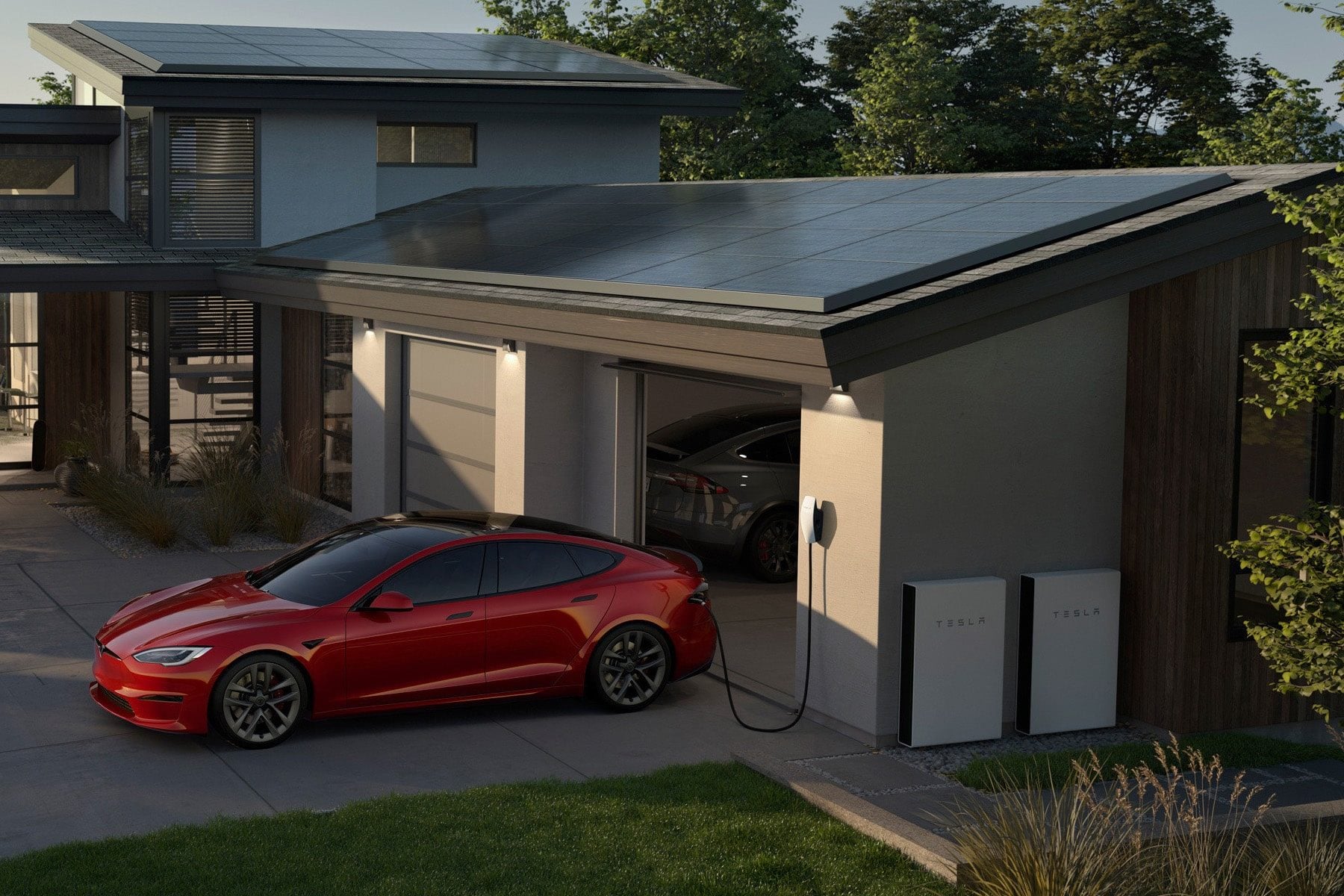
Tesla is widening access to its home energy feature that lets a car double as a backup power source. The company has confirmed that Powershare Home Backup, until now reserved for the Cybertruck, now works with the Model 3 sedan and the Model Y crossover in the United States.
The idea behind the system is straightforward: when the grid goes down, the car’s traction battery steps in to keep the lights on. Tesla estimates that Premium and Performance variants of both models can sustain a household drawing roughly 30 kWh per day for more than two days, while Standard versions manage up to two days. How long the power actually lasts will depend on the battery’s state of charge and how much energy the home consumes.
Not every existing owner will be able to take advantage of the upgrade. Tesla says compatibility is only guaranteed for Model 3 and Model Y vehicles ordered in the US and Puerto Rico from 1 October 2026 onward. Some older cars may also qualify depending on the hardware they carry, but the company is not promising that. Tesla has also stayed silent on whether, or when, the feature will reach markets outside the US.
The hardware requirements add another layer. Using Powershare Home Backup means pairing the vehicle with a Tesla Powerwall 3 home battery and a compatible Tesla Wall Connector, with the setup capable of delivering up to 11.5 kW of continuous power. Owners who already have that equipment do not need to buy anything extra, but they must contact Tesla support to switch the function on. Support for the earlier Powerwall 2 and Powerwall+ units is said to be in the works, though no timeline has been announced.
One limitation is worth flagging: neither model can push electricity back into the public grid, so vehicle-to-grid remains off the table for the Model 3 and Model Y. That capability is handled separately from home backup. The news arrives a short time after Tesla rolled out a vehicle-to-load adapter for the Model Y Premium in the US in August, an accessory that powers external devices through a standard socket at up to 2.4 kW.
Tesla has also been steadily building out the Cybertruck’s residential energy credentials. In April, California utility PG&E brought the electric pickup into its vehicle-to-everything programme, giving eligible customers a route to use Powershare Home Backup in grid-support schemes. For Tesla, the message is clear: its cars are being positioned not just as transport, but as pieces of a broader home energy ecosystem.
What do you think?