
Tariffs Pushed Them Out the Front Door — Now Used Chinese EVs Are Sliding In Through the Back
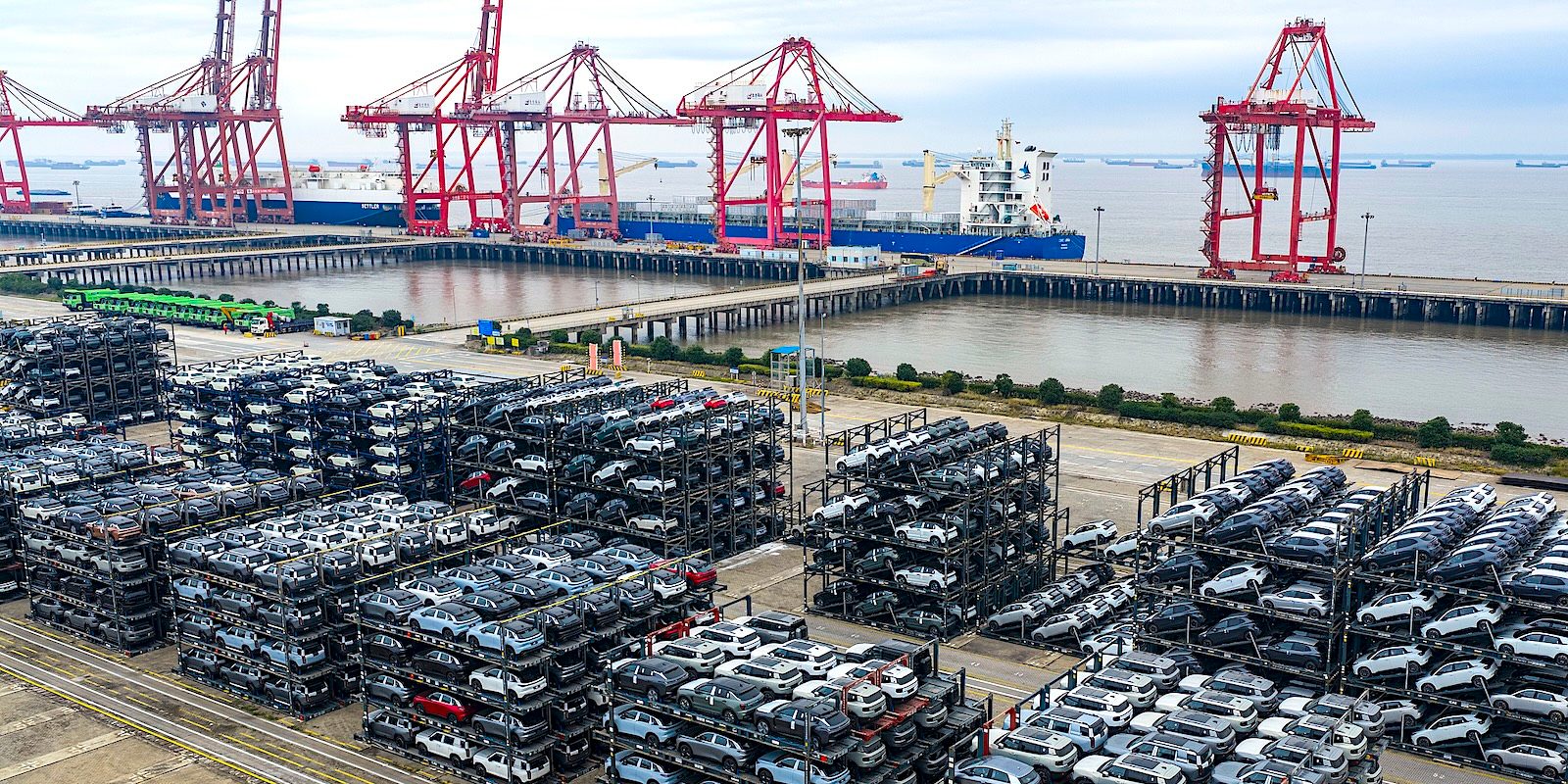
Western tariffs were supposed to keep cheap Chinese electric cars off European and North American roads. They didn’t. Instead, they’ve pushed buyers toward a loophole nobody in Brussels planned for: second-hand imports, which aren’t hit with the same punishing duties.
According to China EV Marketplace (CEVM), a Shanghai-based importer/exporter, pre-owned sales to EU customers jumped 280% year over year, reaching 7,900 units through September. As I write this, the company lists more than 2,600 used Chinese EVs from brands like BYD, Geely and Zeekr, with stock refreshed almost daily.
The paper trail behind the discount
New battery-electric vehicles coming out of China face tariffs as high as 45.3% in the EU, and fresh hybrid quotas are adding pressure on PHEV imports too. Used cars, though, slip past those specific levies. That gap is where the business model lives.
The numbers at a glance: 280% YoY growth in EU pre-owned sales · 7,900 units sold through September · ~6,000 km typical mileage · roughly 40% below original list price
CEVM’s COO Jakub Geršl put it plainly to CarNewsChina: tariffs have already softened demand for new Chinese BEVs among European buyers, and he expects the hybrid import cap to squeeze new PHEV sales as well. “That is why we are making pre-owned vehicles the main focus of our European business,” he said.
Why the used cars are so cheap
A few forces are stacking up here. Chinese brands are rolling out new and updated models at a frantic pace, and the domestic market prizes novelty — a car with last year’s tech loses value fast. That, in turn, drags down pre-owned prices. Geršl says his Shanghai team hunts for these opportunities and regularly finds cars with around 6,000 km on the clock priced 40% below their original Chinese list price.
Put differently: European shoppers can get comparable tech to the newest Western EVs, at a fraction of the sticker. Lower new-car prices simply feed the used price slide.
The catch nobody’s talking about
Service is the soft spot. Every car eventually needs a technician, and the more software-heavy the vehicle, the more it matters that the shop knows what it’s doing. A local Chevy dealer isn’t going to be much help with a Mandarin-language software stack.
Then there’s the bigger picture: technology and markets rarely wait for legislation to catch up. Once drivers go electric, few go back. Whether legacy automakers like it or not, the back door is open — and the queue is forming.
Would you buy one if it turned up at your local Carvana? Let us know.
Source: Electrek
What do you think?