
Solar 'Invest and Earn $3,000 a Day' Pitches Are Multiplying — Here's What's Actually Behind Them
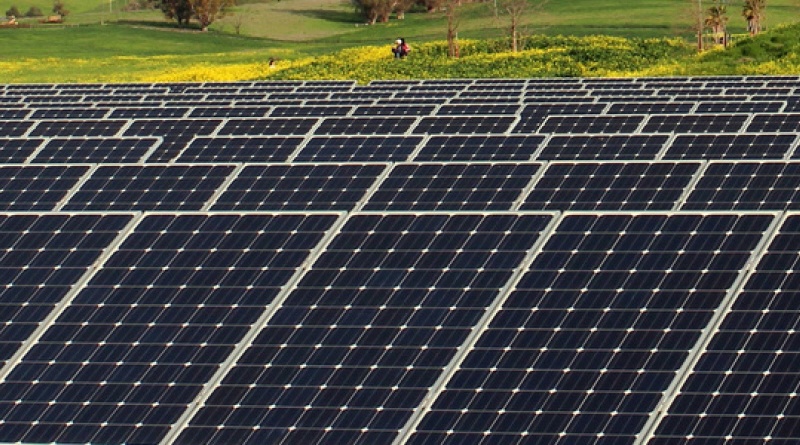
A sponsored post circulating on energy and tech sites promises that ordinary people can now earn thousands of dollars a day from solar farms without owning land, buying panels, or signing a grid connection deal. The pitch is slick. The numbers deserve a much colder look.
The article in question comes from Lake Energy, a Singapore-registered operation that describes itself as a platform linking individual investors to renewable energy projects — solar, onshore and offshore wind, hydropower, biomass, grid transmission, and battery storage. Founded in 2020, the company says its projects span China, Brazil, and Kazakhstan.
That much is verifiable only through the company’s own materials. The rest is marketing.
The Math Doesn’t Add Up the Way It’s Presented
The post concedes, briefly, that hitting a $3,000 daily return is "challenging" — then walks it back. To actually reach that figure, according to the platform's own annualized yield assumptions, an investor would need to commit roughly **$6.97 million** to its “integrated energy” project.
So the headline question answers itself. For anyone without seven figures of spare capital, the realistic outcome is described as “tens to hundreds of dollars” a day. That is a very different proposition from what the title implies.
The entry tiers are laid out as follows:
- Solar: $30,000 minimum, 365-day term
- Onshore wind: $50,000 minimum, 365-day term
- Offshore wind: $100,000 minimum, 365-day term
- Grid transmission: $200,000 minimum, 365-day term
- Biomass: $500,000 minimum, 365-day term
- Integrated energy: $1,000,000 minimum, 365-day term
Shorter solar projects of 5, 10, 30, and 50 days are also advertised, alongside a $10 sign-up bonus and referral rewards.
Crypto Deposits and Referral Ladders
Two details in the pitch should raise eyebrows before any money moves. The platform accepts payment in digital assets — BTC, XRP, ETH, and LTC — and it leans heavily on a referral structure that pays existing users for recruiting new ones.
Neither feature is illegal on its own. Together, though, they are the standard furniture of high-yield investment schemes that regulators have spent years warning about. Crypto funding makes transactions hard to reverse. Referral incentives turn depositors into unpaid salespeople.
And yet the post carries its own disclaimer admitting the information is for “general entertainment, informational and/or educational purposes” and that returns are illustrative rather than guaranteed.
Risk Warning (from the post itself): Investing involves substantial risk, including the potential loss of principal. Past performance is not indicative of future results.
Why This Matters Beyond One Advert
Solar is genuinely booming. Data centers built for artificial intelligence, electrification of industry, and EV charging are all pushing electricity demand upward, and utility-scale solar keeps getting cheaper to build. That real trend is exactly what makes it useful cover for dubious offers.
The legitimate route into renewable infrastructure for retail investors usually runs through listed yieldcos, green bonds, or regulated funds — vehicles with audited financials and disclosure requirements. Direct deposits into an offshore platform promising daily payouts is something else entirely.
None of this is a judgment on whether Lake Energy’s underlying projects exist. It is a reminder that any pitch leading with a dollar figure in its headline, rather than a megawatt figure, is selling a return — not an energy asset. Treat the two accordingly.
Source: CleanTechnica
What do you think?